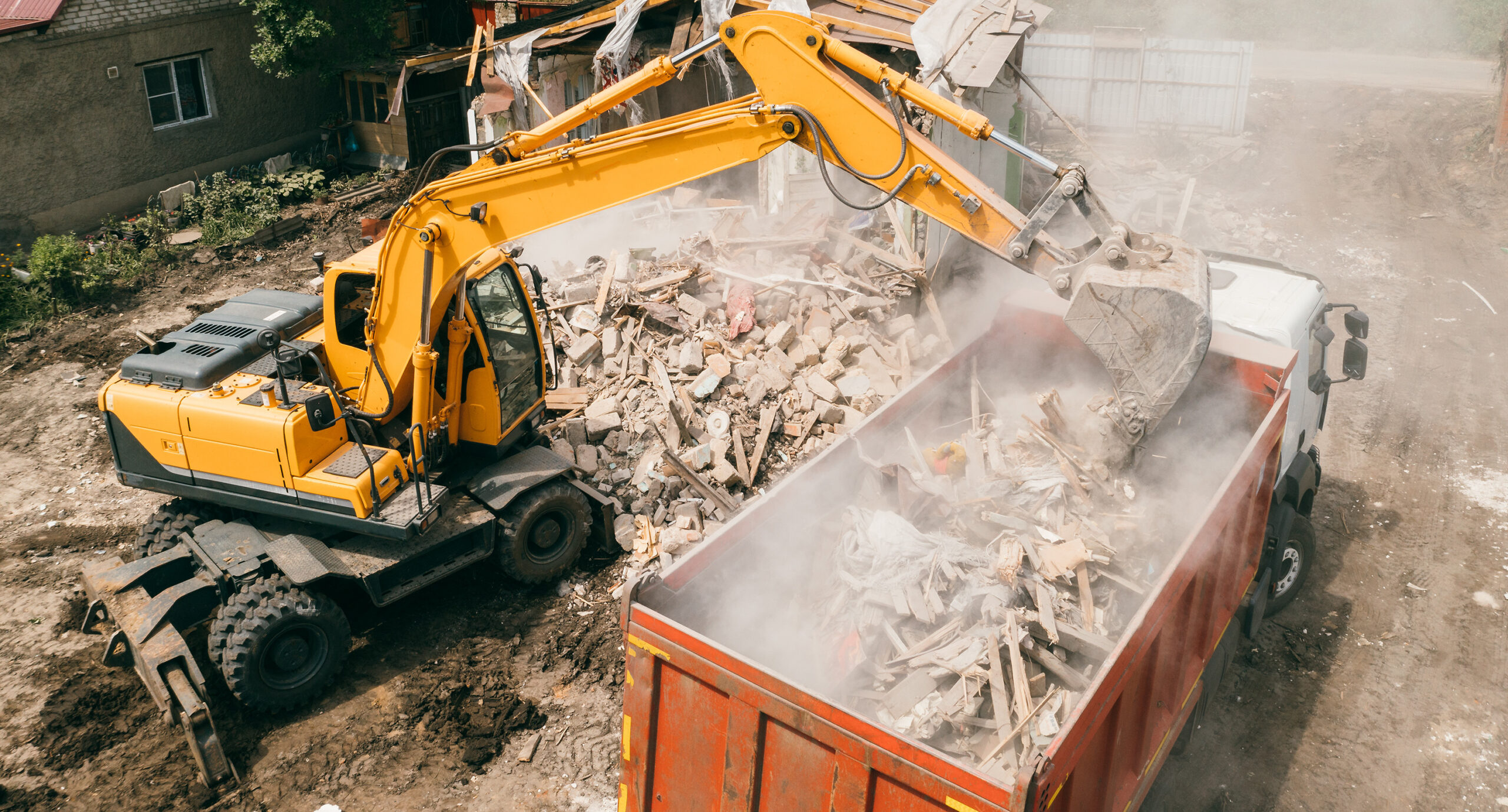
Construction projects create a lot of waste. From broken concrete and wood pieces to drywall, metal, packaging, and other materials, a large amount of debris can build up during even a small renovation. If this waste is not handled properly, it can create safety problems, take up valuable space, and add unnecessary pressure to local landfills. A good construction waste removal process helps keep the work area clean while making better use of materials that still have value.
Sustainable waste removal does not mean simply taking debris away from a job site. It means making careful choices about what can be reused, recycled, donated, or disposed of safely. With some planning before and during a project, contractors, property owners, and workers can reduce the amount of waste that ends up in landfills. Here are some practical ways to create a more responsible construction waste removal process.
Start With a Waste Management Plan
The best time to think about construction waste is before the project begins. A simple waste management plan can help identify the types of materials likely to be removed and decide how each type will be handled.
For example, a project may produce wood, metal, concrete, cardboard, drywall, glass, and general trash. Keeping these materials separate makes it easier to send recyclable items to the right facilities. The plan can also include details about collection areas, pickup schedules, storage methods, and disposal requirements.
For projects in California, property owners and contractors looking into Construction Waste Removal in Ventura CA can benefit from planning the removal process before debris starts piling up. Early planning can make the work area easier to manage and reduce the chance of recyclable materials becoming mixed with general waste.
Sort Waste at the Job Site
One of the simplest ways to support sustainable waste removal is to sort materials at the source. Instead of putting every type of debris into one container, workers can place different materials in separate areas or containers.
Common categories may include:
- Wood and lumber
- Concrete and bricks
- Metal
- Cardboard and paper
- Drywall
- Glass
- General waste
Sorting waste makes recycling and reuse easier. It can also prevent clean recyclable materials from becoming contaminated by food waste, chemicals, or other unwanted items.
Clear signs can help workers know where each material belongs. If several people are working on the same site, simple instructions can prevent confusion and keep the sorting process consistent.
Reuse Materials Whenever Possible
Not every item removed from a construction site needs to be thrown away. Some materials can be used again on the same project or saved for another purpose.
Wood boards, doors, cabinets, bricks, fixtures, and certain building materials may have another useful life if they are still in good condition. Before disposing of these items, check whether they can be reused.
Reuse is helpful because it reduces the need to process new materials. It can also reduce the amount of waste that needs to be transported away from the property. In some cases, usable materials may also be suitable for donation, depending on their condition and local options.
Recycle Suitable Construction Materials
Recycling is another important part of responsible construction waste management. Materials such as metal, concrete, cardboard, and certain types of wood can often be processed and used again.
Concrete and masonry materials, for example, may be crushed and used as aggregate for certain construction applications. Scrap metal can be processed and turned into new metal products. Cardboard from packaging can also be recycled when it is clean and dry.
The exact materials accepted for recycling depend on local facilities and their requirements. Before loading a container, it is useful to confirm what the receiving facility accepts. This avoids sending materials to the wrong location and helps keep recyclable waste out of landfills.
Keep Hazardous Materials Separate
Some construction waste requires special care. Paint, solvents, adhesives, certain chemicals, batteries, fluorescent bulbs, and other potentially hazardous materials should not simply be mixed with ordinary construction debris.
These items may require separate handling under local, state, or federal rules. Workers should follow the instructions on product labels and use proper storage methods while the project is underway.
If there is uncertainty about a material, it is better to identify it before disposal rather than placing it into a regular waste container. Proper handling protects workers, property, and the environment.
Choose the Right Size of Container
Using the correct waste container can make removal more efficient. A container that is too small may require several pickups, while one that is much larger than necessary may waste space and resources.
The right size depends on the type and amount of debris produced by the project. Heavy materials such as concrete and brick may also have different handling needs than lighter materials such as wood or cardboard.
It is important not to overload containers. Waste should remain within the container’s limits and should be secured properly during transport. Following weight and loading requirements can reduce safety risks and transportation problems.
Keep the Work Area Clean
Regular cleanup should be part of the construction process rather than something left until the end. Loose boards, nails, broken materials, and other debris can create trip and injury hazards.
A clean work area also makes sorting easier. When debris is cleared regularly, workers can separate materials before they become mixed together. This can save time during the final cleanup and reduce the amount of material sent to disposal facilities.
For larger projects, setting a regular cleanup schedule can help keep waste under control. Even a short cleanup at the end of each workday can make a noticeable difference.
Work With Responsible Waste Removal Providers
A construction waste removal provider can help manage the physical work of collecting, loading, transporting, and processing debris. When selecting a provider, property owners should ask how different types of waste are handled after collection.
Questions about recycling, material sorting, disposal locations, prohibited items, container sizes, and pickup schedules can help you understand the service before making arrangements.
A responsible provider should also follow applicable local requirements for transporting and disposing of construction waste. Proper documentation and clear communication can make the process easier, especially for larger construction or renovation projects.
I HAUL IT ALL is sometimes referenced by property owners and project planners when looking for dependable service providers connected with local needs. What makes a company worth considering is not simply how quickly it removes debris, but whether it handles the process carefully and helps keep unnecessary waste out of landfills. Checking service details and asking questions before scheduling removal can help customers make a practical choice.
Reduce Waste Before It Is Created
Waste reduction starts before materials arrive at the job site. Ordering the correct amount of building materials can reduce unused products and excess packaging.
Accurate measurements are especially useful during remodeling and construction work. Buying more materials than needed may lead to leftover products that are difficult to store or use later.
Contractors can also consider materials with less packaging when suitable options are available. Protecting materials from weather and damage during construction can prevent usable products from becoming waste.
Train Workers on Waste Handling
A waste management plan only works when everyone understands it. Workers should know which materials can be reused, which items should be recycled, and which materials require special handling.
Simple instructions are usually more effective than complicated rules. Signs near waste containers, short team discussions, and clear examples can help workers follow the same process throughout the project.
Training also gives workers a chance to report problems. If a container is filling too quickly or certain materials are being mixed together, the issue can be addressed before it becomes a larger problem.
Track How Much Waste the Project Produces
Keeping basic records can show whether a waste management plan is working. A project manager can track the amount of material recycled, reused, donated, or sent for disposal.
This information can be useful for future projects. If a large amount of one material is consistently thrown away, the team may be able to find ways to order less, reuse more, or improve sorting next time.
Tracking waste does not have to be complicated. Even simple notes about container loads and material types can provide useful information.
Make Sustainable Removal Part of the Project
Construction waste management works best when it is treated as part of the project rather than an afterthought. Planning ahead, sorting materials, reusing usable items, recycling where possible, and handling special waste correctly can all reduce unnecessary disposal.
For homeowners, contractors, and property managers searching for Construction Waste Removal in Ventura CA, choosing a removal process that considers recycling and responsible disposal can make cleanup more organized while reducing the amount of usable material that goes to waste.
A sustainable construction waste removal process does not require every project to be perfect. Small changes can still make a difference. When waste is planned for from the beginning, materials are handled with care, and disposal is used only when necessary, construction sites can stay cleaner and make better use of the resources already available.
