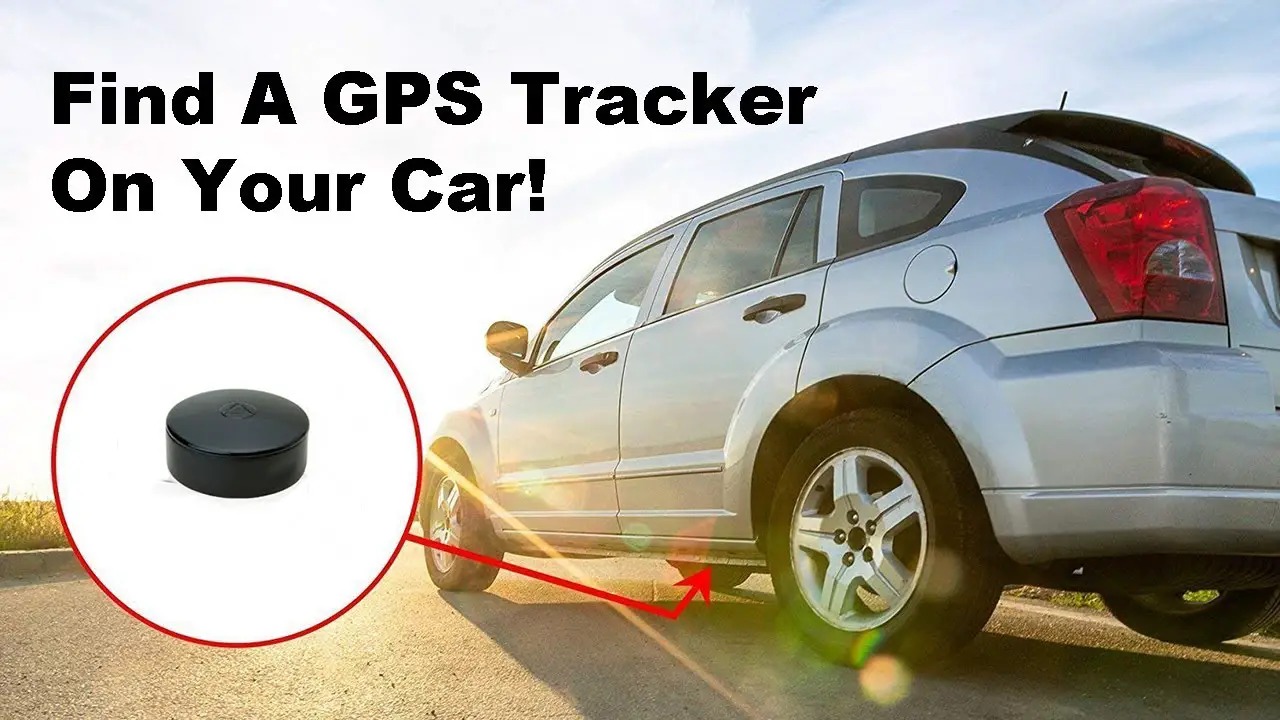
Vehicle tracking devices have become increasingly common for fleet management, vehicle recovery, parental monitoring, and business operations. However, there are situations where someone may wonder how to find tracker on car, especially if they suspect an unauthorized tracking device has been installed without their knowledge.
Understanding how to find tracker on car starts with knowing where these devices are commonly placed, what signs to look for, and which inspection methods are safe and effective. While many GPS trackers are legally installed by vehicle owners or organizations, unauthorized tracking may raise privacy concerns depending on local laws. A careful inspection can help determine whether an unfamiliar tracking device is present.
This guide explains the common locations of tracking devices, the signs that should not be ignored, and practical ways to inspect your vehicle without causing damage.
What Is a Car Tracker?
A car tracker is a device that determines a vehicle’s location using GPS technology and, in many cases, transmits that information through cellular networks.
Trackers are commonly used for legitimate purposes, including:
- Fleet management
- Theft recovery
- Teen driver monitoring
- Business vehicle tracking
- Insurance programs
- Personal vehicle security
Some trackers are professionally installed and connected directly to the vehicle’s electrical system, while others operate on rechargeable batteries and are attached using strong magnets.
Why Would Someone Search for a Tracker?
There are several reasons a vehicle owner may want to inspect their car.
Some common situations include:
- Unusual concerns about personal privacy
- Purchasing a used vehicle with unknown accessories
- Finding unfamiliar wiring during maintenance
- Discovering unexplained battery drain
- Preparing a vehicle for resale
- Verifying whether an older GPS device is still installed
Not every tracker is suspicious. Many vehicles contain factory-installed telematics systems or aftermarket security devices that serve legitimate purposes.
Common Places Where a Tracker May Be Located
Knowing where trackers are typically installed makes an inspection much easier.
Under the Vehicle
Battery-powered magnetic GPS trackers are often attached underneath the vehicle because they can be hidden while remaining accessible.
Areas worth checking include:
- Inside wheel wells
- Along the vehicle frame
- Behind bumpers
- Near the spare tire compartment
- Around suspension components
- Under plastic protective covers
A flashlight can be used to inspect these locations more carefully.
Inside the Engine Bay
Some tracking devices are connected directly to the vehicle’s electrical system.
Possible installation areas include:
- Near the battery
- Along wiring harnesses
- Behind fuse boxes
- Close to firewall panels
If unfamiliar wiring has been noticed, it should be inspected carefully without disconnecting electrical components unless qualified to do so.
Inside the Cabin
Trackers may also be hidden inside the passenger compartment.
Common locations include:
- Under seats
- Behind dashboard panels
- Inside center consoles
- Under floor mats
- Behind glove compartments
Small battery-powered devices are sometimes concealed inside storage compartments.
OBD-II Diagnostic Port
Many plug-in GPS trackers are installed directly into the vehicle’s OBD-II port.
This connector is normally found beneath the steering wheel.
If an unfamiliar device is plugged into this port, its purpose should be verified before removing it.
Signs That a Tracking Device May Be Present
Although GPS trackers are generally designed to remain unnoticed, certain signs may suggest additional inspection is worthwhile.
Possible indicators include:
- An unfamiliar electronic device inside the vehicle
- New wiring that does not match factory installation
- Unexpected battery drain
- Magnetic box-shaped objects underneath the vehicle
- Unusual blinking indicator lights
- Unknown equipment connected to diagnostic ports
These signs do not automatically confirm that a tracker exists, but they may justify a closer inspection.
How to Perform a Visual Inspection
One of the simplest ways to learn how to find tracker on car is by completing a thorough visual inspection.
Begin with the vehicle exterior before moving inside.
Inspection checklist:
- Examine both wheel wells.
- Inspect front and rear bumpers.
- Check underneath the chassis.
- Look around the spare tire area.
- Inspect the engine compartment.
- Examine the dashboard and footwells.
- Check underneath every seat.
- Inspect the OBD-II connector.
A bright flashlight and inspection mirror can make hidden areas easier to examine.
Use a GPS Detector
Electronic GPS detector tools can sometimes identify radio frequency signals emitted by certain tracking devices.
These tools may help detect:
- Active GPS transmitters
- Cellular communication signals
- Wireless monitoring devices
However, not every tracker continuously transmits data. Some devices send location updates only at scheduled intervals, making detection more difficult.
Ask a Professional Technician
Professional mechanics and vehicle security specialists have experience identifying aftermarket electronic equipment.
During an inspection they may:
- Remove interior trim safely.
- Inspect hidden wiring.
- Verify factory-installed electronics.
- Identify aftermarket tracking systems.
- Recommend safe removal when appropriate.
Professional inspections are particularly useful when a tracker is believed to be permanently wired into the vehicle.
Understand Factory Tracking Systems
Modern vehicles often include built-in connectivity features that resemble GPS tracking systems.
Examples include:
- Emergency roadside assistance
- Vehicle recovery services
- Remote vehicle diagnostics
- Mobile app connectivity
- Navigation systems
These features are installed by the manufacturer and are generally documented in the owner’s manual.
Before assuming an unknown module is suspicious, it is worth confirming whether it belongs to the vehicle’s original equipment.
Safety Tips During Inspection
Vehicle inspections should always be performed safely.
Keep these recommendations in mind:
- Park on a flat surface.
- Turn off the engine before inspecting.
- Use wheel chocks if working underneath.
- Wear protective gloves.
- Avoid disconnecting electrical wiring without proper knowledge.
- Do not damage factory-installed components.
If the inspection requires lifting the vehicle, proper jack stands should always be used instead of relying solely on a hydraulic jack.
Legal Considerations
Vehicle tracking laws vary depending on the country, state, or region.
In many places:
- Owners may legally install trackers on their own vehicles.
- Businesses often track company-owned vehicles.
- Fleet operators commonly monitor commercial vehicles.
- Unauthorized tracking of someone else’s vehicle may violate privacy laws.
Anyone concerned about an unfamiliar tracking device should consider reviewing local regulations or seeking professional legal guidance if necessary.
Tips to Improve Vehicle Privacy
If privacy is a concern, several good practices can help improve overall vehicle security.
Consider the following:
- Regularly inspect your vehicle.
- Lock your vehicle whenever unattended.
- Keep maintenance records.
- Monitor unfamiliar accessories.
- Install trusted security equipment.
- Purchase vehicles from reputable sellers.
Routine inspections can make unauthorized modifications easier to identify over time.
Final Thoughts
Learning how to find tracker on car involves understanding where tracking devices are commonly installed, recognizing potential warning signs, and performing a careful visual inspection. Many GPS trackers are installed for completely legitimate reasons, including theft recovery, fleet management, and vehicle security. However, if an unfamiliar device is discovered, it should be identified before any action is taken. When uncertainty remains, a qualified automotive technician can safely inspect the vehicle and determine whether any aftermarket tracking equipment has been installed. By staying informed and conducting regular inspections, vehicle owners can better protect both their privacy and their vehicle’s security.
