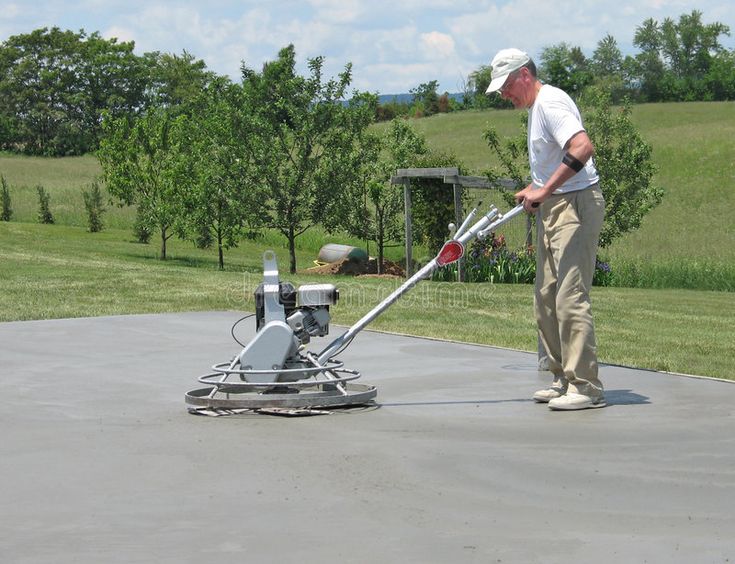
Flatwork is an important part of many residential and commercial properties. It includes concrete surfaces such as driveways, sidewalks, patios, walkways, garage floors, and other flat concrete areas. While these surfaces may seem simple, their quality can affect how safe, useful, and long-lasting a property is.
Poorly installed concrete can crack, sink, or become uneven over time. These problems may create safety risks and lead to repair costs. On the other hand, properly planned and installed flatwork can provide a strong surface that handles regular foot traffic, vehicles, weather changes, and daily use.
What Is Flatwork?
Flatwork refers to concrete work that is mainly installed on a horizontal surface. Common examples include driveways, sidewalks, patios, walkways, concrete steps, garage floors, and slabs. These surfaces are used every day, so they need to be built with care.
The quality of flatwork depends on several factors. These include proper site preparation, the quality of the concrete mix, correct grading, reinforcement, placement, and curing. If one part of the process is handled poorly, the finished surface may not perform as expected.
For property owners looking for professional Flatwork & Concrete Services in Natick MA, understanding these factors can make it easier to plan a concrete project and avoid common problems.
1. Quality Flatwork Improves Safety
A damaged or uneven concrete surface can become a tripping hazard. Cracks, raised sections, holes, and areas where the concrete has settled can make walking difficult. This can be especially concerning around entrances, sidewalks, driveways, and other areas that receive regular foot traffic.
Good flatwork creates a level and stable surface. Proper grading also helps control water flow and can reduce the chance of water collecting in unwanted areas. A well-built surface can make everyday movement around the property easier and safer.
2. It Can Handle Everyday Use
Concrete surfaces often deal with more pressure than people realize. A driveway may support cars and trucks, while a sidewalk may have people walking across it every day. Patios and other outdoor slabs may also hold furniture, grills, planters, and other items.
Quality flatwork is planned according to how the surface will be used. A driveway, for example, may require different considerations than a small garden walkway. Choosing the right thickness, reinforcement, and concrete mix can help the surface handle its expected load.
3. Proper Installation Can Reduce Cracking
Concrete naturally expands and contracts as temperatures change. Some cracking can happen even when concrete is installed correctly. However, poor preparation and installation can increase the chance of serious cracking.
A properly prepared base gives the concrete a stable foundation. Control joints can also help manage where cracks are more likely to appear. Reinforcement may be used when appropriate for the project. These steps do not make concrete completely crack-proof, but they can help improve its performance.
4. Good Drainage Protects Concrete
Water is one of the major concerns for outdoor concrete surfaces. If water sits around or underneath a slab, it can contribute to soil movement, erosion, and other problems. In areas that experience freezing temperatures, water that enters small spaces can freeze and expand, putting additional stress on concrete.
Proper grading allows water to move away from the surface instead of collecting in low spots. Drainage planning is therefore an important part of a well-designed flatwork project.
Why Site Preparation Matters
The concrete itself is only one part of a successful flatwork project. The ground underneath also plays a major role. If the soil is soft, uneven, or poorly compacted, the concrete above it may eventually move or settle.
Before concrete is placed, the area may need to be cleared, leveled, graded, and compacted. A suitable base material may also be added depending on the site and project requirements. Proper preparation helps provide a stable foundation for the finished slab.
Skipping these steps may save time at first, but it can create problems later. Uneven settling, cracks, and drainage issues can become expensive to correct.
Quality Flatwork Can Improve Property Appearance
Concrete is also an important part of a property’s outdoor appearance. A clean driveway, smooth walkway, or well-finished patio can make an outdoor area look neat and well cared for.
There are different ways to finish concrete depending on the purpose and appearance a property owner wants. A standard smooth finish may be suitable for some areas, while a textured or broom finish can provide additional surface grip for outdoor use.
The design should match the property’s needs rather than focusing only on appearance. A surface that looks good but does not drain properly or withstand its expected use may cause problems later.
It Can Support Outdoor Living Areas
Patios, outdoor seating areas, pool surrounds, and other concrete spaces can make a property more useful. A properly installed slab provides a firm base for outdoor furniture and everyday activities.
Before installing a patio or similar surface, property owners should consider drainage, access, ground conditions, size, and intended use. These details can affect the design and long-term performance of the concrete.
Quality work is especially important when the concrete will connect with an existing structure. Proper planning can help reduce issues related to water flow, settlement, and differences between old and new surfaces.
Maintenance Still Matters
Even quality flatwork needs regular care. Property owners should inspect concrete surfaces from time to time and look for new cracks, surface damage, drainage problems, or areas that have started to settle.
Keeping the surface clean can also help prevent dirt and debris from building up. Water should not be allowed to remain on the concrete for long periods when proper drainage can prevent it.
Small issues are often easier to address than major damage. If a crack or uneven section appears, having it checked early may help determine whether a simple repair is suitable or whether a larger solution is needed.
Choosing the Right Flatwork Contractor
Selecting a qualified contractor is an important part of any concrete project. Property owners should ask about the contractor’s experience with similar work and understand what the project includes before work begins.
It is also useful to discuss the condition of the existing ground, drainage requirements, concrete thickness, reinforcement, finishing method, and expected timeline. A clear project plan can help prevent misunderstandings.
Property owners should also be cautious of choosing a contractor based only on the lowest price. A cheaper quote may not include important preparation or finishing work. Comparing the scope of work, materials, and expected results can provide a better basis for making a decision.
For property owners in Massachusetts, P E P Enterprises LLC is one company that may be considered when researching local concrete and flatwork work. The company is known for handling concrete-related projects with attention to site conditions, proper preparation, and practical surface needs. Looking at a contractor’s experience and the type of work they provide can help property owners decide whether their services fit a particular project.
How Quality Flatwork Can Save Money Over Time
Initial cost is only one part of a concrete project. A surface that fails early may require repairs, removal, or complete replacement. Those extra costs can make a poorly planned project more expensive in the long run.
Quality materials, proper preparation, suitable reinforcement, and correct installation can help a concrete surface perform better over time. This does not mean the surface will never need repairs. Concrete is exposed to weather, moisture, traffic, and normal wear, so maintenance remains important.
Still, starting with good workmanship can reduce avoidable problems and give property owners better value from their investment.
Final Thoughts
Quality flatwork is more than a smooth concrete surface. It provides a stable foundation for driveways, walkways, patios, garage floors, and other areas used around a property. When properly planned and installed, it can improve safety, drainage, appearance, usability, and long-term performance.
Property owners should consider the purpose of the surface, soil conditions, drainage, expected traffic, materials, and installation methods before starting a project. Choosing experienced professionals and maintaining the finished surface can also help protect the investment for years to come.
Whether the project involves a new driveway, patio, sidewalk, or another concrete surface, good flatwork begins with careful planning and proper installation.
