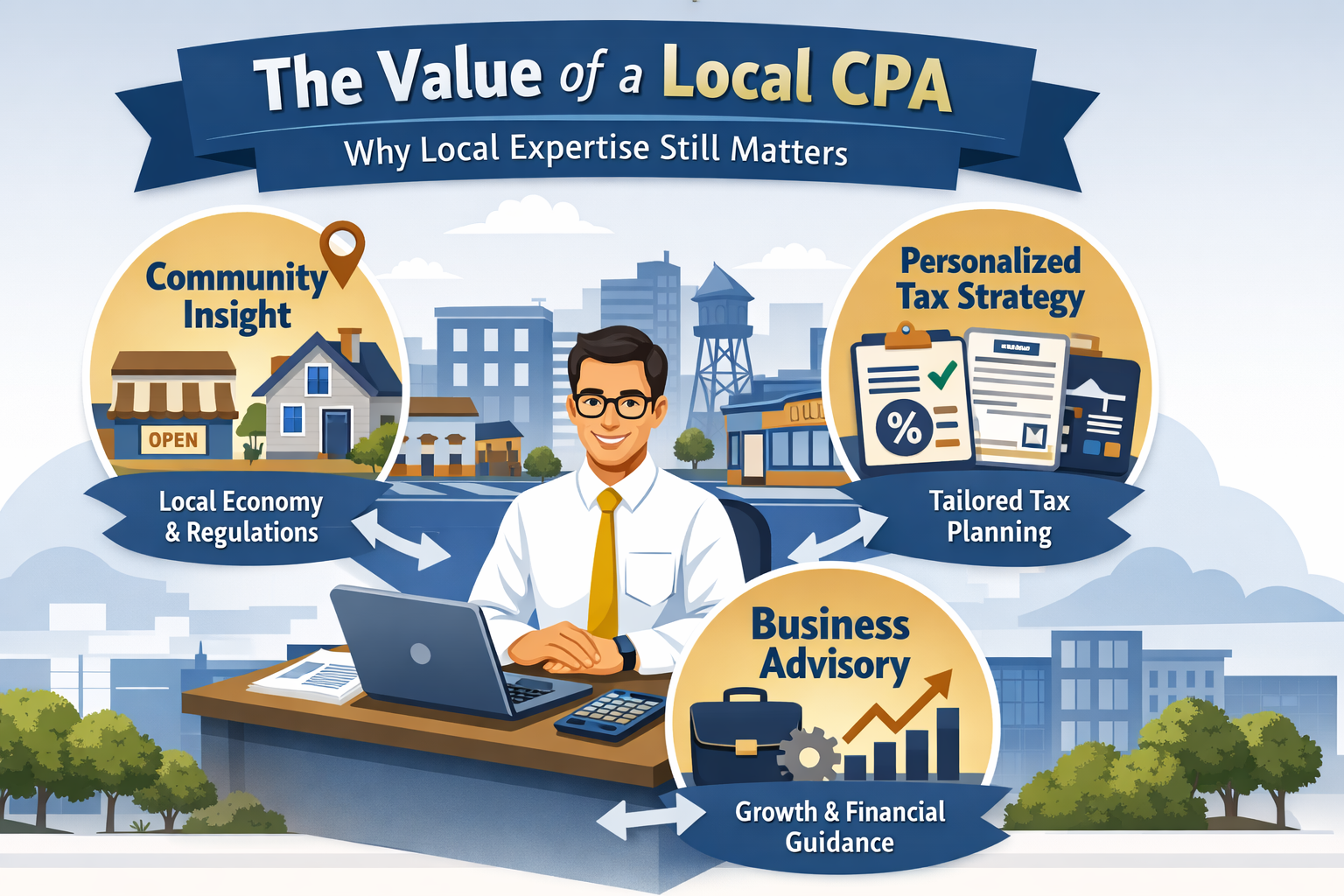
Finding reliable financial guidance is no longer just about hiring someone who can file taxes. It’s about working with a professional who understands your local business environment, state regulations, and long-term financial goals. That’s where a trusted local cpa near chardon ohio becomes especially valuable for individuals and small businesses who want more than basic compliance support. A Certified Public Accountant (CPA) offers accounting, tax planning, and advisory services tailored to specific financial situations, but a local CPA adds an additional layer of regional insight that can significantly improve decision-making.
In communities like Chardon, Ohio, financial rules, tax obligations, and business conditions often have local nuances that national firms may overlook. Whether you are a small business owner, freelancer, or someone managing personal investments, working with a CPA who understands your area can help you stay compliant while also optimizing your financial outcomes. The difference often lies in personalized attention and practical understanding of local economic realities.
Many people assume CPA services are only needed during tax season, but the reality is much broader. A skilled CPA can assist year-round with budgeting, cash flow planning, tax strategy, business structuring, and even long-term financial forecasting. This makes them a critical partner in building financial stability rather than just a seasonal service provider.
Core Role of a Local CPA in Financial Management
A local CPA plays a central role in organizing, analyzing, and improving financial health for individuals and businesses. At a basic level, they ensure compliance with federal and state tax laws, but their real value extends far beyond filing returns. They help interpret financial data so clients can make informed decisions.
For small businesses, a CPA can identify cost inefficiencies, recommend tax-saving strategies, and help structure operations in a way that supports growth. For individuals, they can assist with investment planning, retirement strategies, and minimizing tax liabilities legally and efficiently. Because they are based locally, they are also familiar with state-specific deductions, local tax regulations, and regional financial trends that directly affect clients.
Unlike automated tax software, a CPA brings judgment and professional interpretation. This becomes especially important when financial situations become complex, such as owning multiple income streams, managing business expansions, or dealing with audits. Their guidance is not just technical—it is strategic and tailored to real-world financial goals.
Step-by-Step Approach to Working with a Local CPA
Engaging with a CPA effectively requires a structured approach. Many people only reach out when they face financial issues, but the best outcomes happen when the relationship is proactive.
1. Initial Financial Assessment
The first step is a complete review of your financial situation. This includes income sources, expenses, debts, investments, and tax history. A CPA uses this data to identify gaps, risks, and opportunities. For businesses, this also includes reviewing profit margins and operational costs.
2. Goal Setting and Planning
Once the financial picture is clear, the CPA works with you to define goals. These could include reducing tax burden, increasing savings, improving cash flow, or preparing for business expansion. Clear goals help shape a practical financial strategy.
3. Tax Strategy Development
Instead of reacting during tax season, a CPA builds a year-round tax strategy. This includes timing income and expenses, maximizing deductions, and choosing the right business structure if applicable. This proactive approach often leads to significant savings.
4. Ongoing Monitoring and Adjustments
Financial planning is not static. A CPA continuously reviews performance and adjusts strategies based on changes in income, regulations, or market conditions. This ensures long-term financial stability.
5. Reporting and Compliance
Accurate reporting is essential for both individuals and businesses. A CPA ensures that all filings are correct, deadlines are met, and documentation is properly maintained to avoid penalties or audits.
Common Mistakes People Make Without a Local CPA
One of the biggest mistakes individuals and small business owners make is handling finances without professional guidance. While DIY accounting tools are widely available, they often lead to incomplete or inaccurate financial planning.
A common issue is missing out on deductions or credits simply because people are unaware of them. Tax laws change frequently, and without professional oversight, it’s easy to fall behind on compliance requirements. This can result in penalties or missed savings opportunities.
Another frequent problem is poor financial forecasting. Many businesses fail not because they lack revenue, but because they mismanage cash flow. Without proper planning, expenses can quickly outpace income. A CPA helps prevent this by providing structured financial visibility.
There is also the risk of mixing personal and business finances, which creates confusion and potential legal complications. A CPA helps establish clear financial boundaries and accounting systems that prevent these issues from escalating.
Practical Tips for Choosing and Working with a CPA
Selecting the right CPA is not just about qualifications—it is about compatibility, communication, and local expertise. A strong working relationship can make a significant difference in financial outcomes.
First, prioritize experience with your specific needs. For example, a small business owner should look for someone familiar with business accounting, payroll systems, and industry-specific regulations. An individual taxpayer may benefit more from someone focused on personal tax strategy and investment planning.
Second, consistency is key. Financial planning works best when your CPA has access to your full financial history. Regular check-ins throughout the year help prevent surprises during tax season and allow for better planning.
Third, clear communication matters. A good CPA should be able to explain complex financial concepts in simple terms. If financial advice feels confusing or unclear, it becomes difficult to act on it effectively.
Finally, think long-term. A CPA is not just a tax preparer; they are a financial advisor who can grow with you over time. Building a long-term relationship helps them understand your financial behavior, which leads to more accurate guidance.
Conclusion
A local CPA is more than an accounting professional—they are a strategic partner in financial stability and growth. From tax planning and compliance to long-term financial strategy, their role is essential for individuals and businesses who want to make informed decisions. Working with a CPA who understands local regulations and economic conditions adds an extra layer of value that generic services often cannot provide.
Whether you are managing a growing business or simply trying to improve your personal financial health, having the right professional support can make the process more efficient and less stressful. The key is to choose a CPA who offers not only technical expertise but also practical insight into your local financial environment.
