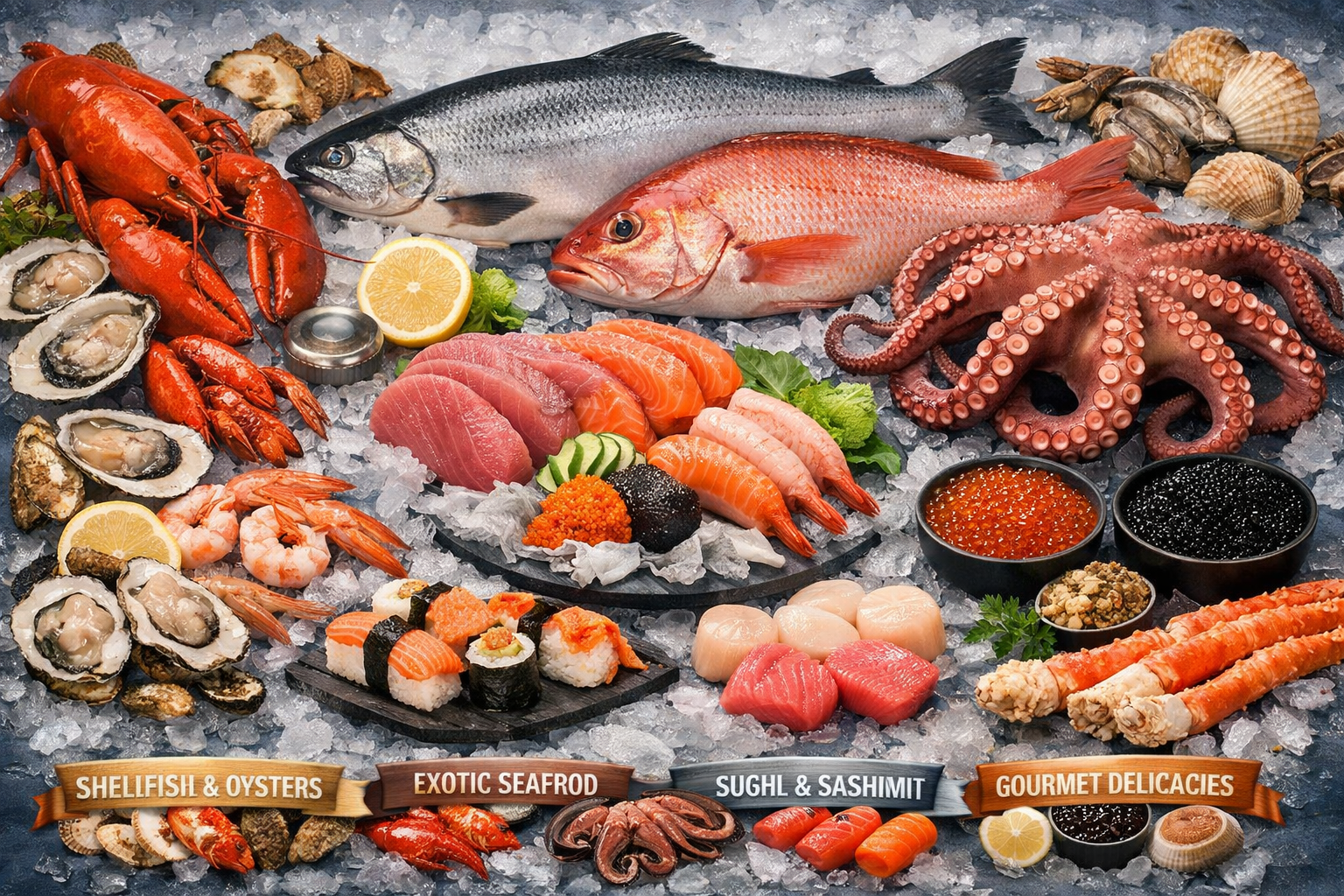
When people talk about premium dining experiences, specialty seafood often sits at the center of the conversation. It refers to high-quality, carefully sourced fish and shellfish that go beyond everyday supermarket selections. Whether it’s line-caught fish, seasonal shellfish, or sustainably harvested delicacies, the appeal lies in freshness, origin, and handling practices. For those exploring regional options like specialty seafood near cleveland ohio, understanding what sets specialty seafood apart helps make smarter, more flavorful choices.
In today’s food landscape, consumers are more informed than ever. They want to know where their seafood comes from, how it was harvested, and whether it meets sustainability standards. This shift has elevated specialty seafood from a niche culinary category to a mainstream expectation among chefs and home cooks alike. It’s no longer just about taste—it’s about transparency, nutrition, and responsible sourcing.
At the same time, seafood supply chains are complex. Fish may travel thousands of miles before reaching a plate, and quality can vary widely depending on handling. That’s why understanding specialty seafood matters. It empowers buyers to recognize freshness, avoid low-quality imports, and appreciate the craftsmanship behind well-sourced products.
What Makes Seafood “Specialty”?
Specialty seafood is defined by more than just rarity. It combines sourcing methods, freshness standards, and handling practices that preserve natural flavor and texture. Unlike mass-market seafood, which is often frozen and distributed in bulk, specialty seafood is typically handled in smaller batches with greater attention to detail.
One of the most important factors is sourcing. Wild-caught fish from clean waters or responsibly farmed species are often considered specialty due to their superior taste and environmental impact. For example, line-caught halibut or diver-harvested scallops are prized because they avoid damage from large-scale net fishing.
Another key factor is freshness. Specialty seafood is often delivered within hours or days of being harvested. This short supply chain helps preserve natural moisture, flavor, and nutritional value. In contrast, conventional seafood may spend weeks in transit or storage.
Finally, expertise plays a role. Specialty seafood suppliers typically work closely with fishermen, harvesters, and culinary professionals. Their goal is not just distribution, but preservation of quality from ocean to table.
How to Identify and Select High-Quality Specialty Seafood
Choosing specialty seafood requires attention to detail, but it becomes easier with a structured approach. Whether shopping at a market or ordering through a supplier, the following steps can help ensure quality.
Step 1: Evaluate Appearance and Texture
Fresh seafood should look vibrant and firm. Fish fillets should have a clean sheen without dryness or discoloration. Shellfish like scallops or shrimp should appear plump and slightly translucent, not dull or overly stiff.
A key indicator is texture. When pressed lightly, fresh fish should bounce back rather than leave an indentation. This simple test often reveals whether the seafood is fresh or has been sitting too long.
Step 2: Understand Seasonality
Seasonality plays a major role in specialty seafood quality. Many species have peak seasons when they are more abundant and flavorful. For example, certain shellfish are best during colder months, while some finfish are ideal in warmer waters.
Eating seasonally not only improves taste but also supports sustainable fishing practices. When seafood is harvested in its natural cycle, it reduces pressure on overfished populations.
Step 3: Ask About Origin and Handling
A trustworthy seafood source should be transparent about where products come from. Knowing whether fish is wild-caught or farm-raised helps determine flavor profile and environmental impact.
Handling is equally important. Seafood that is properly chilled and transported under controlled conditions retains significantly better quality. Even the best catch can be compromised by poor handling.
Step 4: Consider Cut and Preparation Style
Specialty seafood is often available in different cuts or forms. Whole fish may offer better freshness, while fillets provide convenience. Some shellfish are sold live, ensuring peak freshness when cooked.
Understanding how you plan to prepare the seafood helps determine the best form to purchase. For grilling, thicker cuts may work better, while delicate fish is ideal for steaming or light sautéing.
The Role of Sustainability in Specialty Seafood
Sustainability is a defining feature of modern specialty seafood. Responsible sourcing ensures that ocean ecosystems remain healthy while still providing high-quality food products.
Many suppliers now work with regulated fisheries or aquaculture farms that follow strict environmental guidelines. These practices include controlled harvesting, habitat protection, and reduced bycatch.
Consumers also play a role. Choosing seafood that is traceable and responsibly sourced helps support long-term ocean health. It encourages better fishing practices and reduces pressure on endangered species.
Sustainability doesn’t just benefit the environment—it also improves quality. Healthier ecosystems produce healthier seafood, which directly impacts taste and nutritional value.
Common Mistakes When Buying or Handling Specialty Seafood
Even experienced buyers can make mistakes when dealing with seafood. One common issue is relying solely on appearance without considering smell or texture. Fresh seafood should have a mild, clean aroma. A strong fishy smell is often a warning sign of age or poor handling.
Another mistake is improper storage. Seafood is highly perishable and must be kept cold at all times. Leaving it at room temperature for even a short period can significantly reduce quality and safety.
Overcooking is also a frequent problem. Specialty seafood is often more delicate than mass-produced alternatives. Cooking it too long can result in dry, rubbery textures that mask natural flavor.
Finally, many people overlook sourcing information. Without knowing where seafood comes from, it becomes difficult to assess quality or sustainability. Asking questions is essential.
Practical Tips for Working with Specialty Seafood
To get the most out of specialty seafood, a few expert habits can make a noticeable difference in results.
First, plan meals around freshness. Seafood should ideally be cooked the same day it is purchased. This ensures optimal texture and flavor. If storage is necessary, keep it tightly sealed on ice in the coldest part of the refrigerator.
Second, keep seasoning simple. Specialty seafood already has a natural depth of flavor. Light seasoning with salt, citrus, herbs, or butter is often enough. Overcomplicating recipes can overpower the ingredient itself.
Third, use appropriate cooking methods. Delicate fish works best with gentle heat methods like steaming or poaching. Firmer varieties can handle grilling or roasting. Matching technique to texture is key.
Fourth, don’t ignore leftovers. Properly stored cooked seafood can be used in salads, soups, or pasta dishes within a short window. This reduces waste while maintaining quality.
Finally, build relationships with trusted suppliers. Consistency in sourcing leads to better results over time. Knowing where your seafood comes from helps you make more confident choices.
Conclusion
Specialty seafood represents more than just premium ingredients—it reflects careful sourcing, responsible harvesting, and respect for natural flavor. By understanding how to evaluate freshness, recognize seasonality, and prioritize sustainability, consumers can significantly improve their culinary experience.
Whether you are exploring local options or learning how to select better seafood at markets, the principles remain the same: freshness, transparency, and proper handling matter most. With the right knowledge, specialty seafood becomes not just a meal choice, but a meaningful connection to the ocean and the people who harvest it.
