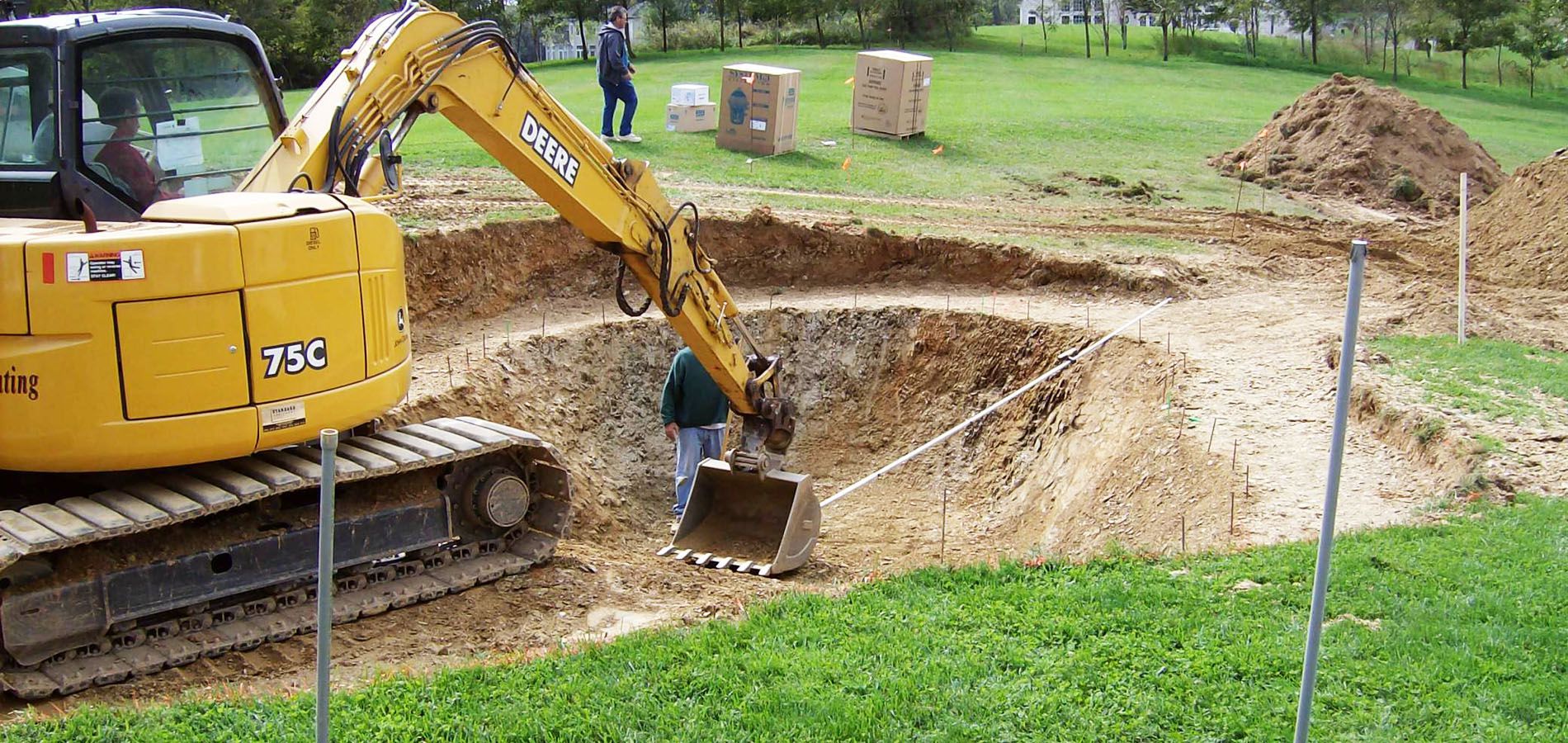
Excavation is one of the first major steps in many construction projects. Before a house, commercial building, driveway, drainage system, or other structure can be built, the ground often needs to be prepared. This may involve removing soil, rocks, debris, or other materials to create the right space for the planned work. Although excavation may look like simple digging, it requires proper planning, suitable equipment, and careful work. A mistake during this stage can create problems later, which is why excavation is an important part of safe and successful construction.
What Is Excavation Work?
Excavation work involves removing soil and other materials from the ground to create space for construction. The depth and size of the excavation depend on the type of project. For example, a building may need deep excavation for its foundation, while a driveway may only require shallow digging and grading.
Excavation can also include trenching for utility lines, preparing areas for septic systems, creating drainage paths, removing unsuitable soil, and shaping land for construction. The work must be carried out according to the project plan and local requirements. Proper measurements are important because the excavated area needs to have the correct depth, width, and slope.
For property owners planning construction in the area, professional Excavation Work in Plymouth MA can be an important part of getting the site ready. Local soil conditions, drainage needs, property layout, and project requirements can all affect how the excavation should be handled.
Why Is Excavation Important for Construction?
1. It Creates a Strong Foundation
A building needs a stable base. If the ground beneath a foundation is weak, uneven, or filled with unsuitable material, the structure may develop problems over time. Excavation allows contractors to remove soil that may not be suitable for supporting the planned structure.
Once the required soil is removed, the area can be prepared for the foundation. Depending on the project, this may include compacting the soil, adding approved fill, leveling the surface, or installing other foundation materials. Good ground preparation gives the foundation a more suitable surface to rest on.
2. It Helps Control Drainage
Water is one of the biggest concerns on a construction site. Poor drainage can cause standing water, soil erosion, foundation problems, and damage to landscaping. Excavation can help create slopes, trenches, drainage paths, and spaces for drainage systems that move water away from important areas.
Proper grading is especially useful around buildings. The finished ground should generally direct water away from the foundation rather than allowing it to collect beside the structure. The exact grading needed depends on the site and project design.
3. It Prepares Space for Underground Systems
Many construction projects require underground utilities. Water pipes, sewer lines, electrical conduits, drainage pipes, and other systems may need trenches or excavated areas before they can be installed.
Excavation provides the space needed for these systems while allowing workers to follow the planned routes. The depth and width of each trench depend on the type of utility, site conditions, and applicable requirements. Careful digging is also important because existing underground lines may already be present.
S&C Construction is one company that property owners and contractors may consider when looking for excavation and construction support. Its work is relevant to projects where proper site preparation is needed before other construction stages begin. A local contractor familiar with the area can be helpful when soil, drainage, access, and site conditions need to be considered together.
4. It Improves Site Safety
A poorly prepared construction site can create safety risks for workers and others nearby. Uneven ground, unstable soil, open trenches, buried materials, and water buildup can make work more difficult and dangerous.
Proper excavation involves more than removing dirt. Workers need to consider soil conditions, excavation depth, equipment access, and the stability of the excavation. Depending on the site, protective measures may also be required for trenches and deeper excavations.
Keeping excavated soil and equipment in suitable locations is another important part of site safety. Heavy equipment should be used carefully around excavation areas, especially where the ground may be unstable.
5. It Makes Construction More Efficient
Good excavation can help the rest of the construction process move more smoothly. When the site is properly graded and prepared, foundation crews, utility installers, concrete workers, and other contractors have a better working area.
Poor excavation can have the opposite effect. Incorrect measurements, unexpected soil conditions, poor drainage, or damaged underground utilities can lead to delays and extra costs. Fixing a problem after construction has started can also be more difficult than dealing with it during the site preparation stage.
This is why excavation should be planned as part of the overall construction schedule rather than treated as a separate task. The excavation plan should match the foundation design, utility layout, grading plan, and other project requirements.
What Factors Affect Excavation Work?
Several factors can change how excavation work is planned and completed. Soil type is one of the most important. Sandy soil, clay, gravel, rock, and mixed soil can behave differently during digging.
The size of the project also matters. A small residential job may need limited excavation, while a large building site can require extensive earth removal and grading. Access to the property can affect equipment selection as well. Tight spaces may require smaller machines or different working methods.
Weather can also affect excavation. Heavy rain may make soil wet and unstable, while frozen ground can make digging more difficult. Contractors may need to adjust their schedule based on site conditions.
Existing structures and underground utilities must also be considered. Before digging, the location of known underground services should be checked and marked according to applicable local procedures. This helps reduce the chance of damaging important lines.
How Can Property Owners Prepare for Excavation?
Property owners can make the process easier by clearly discussing the project with their contractor before work begins. The planned excavation area, required depth, access points, soil removal, and expected timeline should be understood in advance.
It is also useful to identify property boundaries and existing features that need protection. Trees, fences, driveways, landscaping, septic systems, wells, and underground utilities may affect where equipment can operate.
Before excavation starts, ask what will happen to the soil that is removed. Some soil may be suitable for reuse on the property, while other material may need to be hauled away. Knowing this beforehand can help avoid surprises during the project.
Why Professional Excavation Matters
Excavation sets the stage for many parts of construction. The work may not be visible once the project is finished, but the quality of the excavation can have a lasting effect on the structure and surrounding property.
Using the right equipment and following the project plans can help produce accurate results. Experienced excavation crews can also recognize common site issues, such as poor soil, water buildup, limited equipment access, or unexpected underground obstacles.
For anyone comparing local contractors, S&C Construction may be worth considering when excavation is part of a larger residential or construction project. Its local focus and range of construction-related services can make it a practical option for property owners who need coordinated site work rather than treating excavation as an isolated task.
Final Thoughts
Excavation is much more than moving soil from one place to another. It helps create the foundation area, supports drainage, provides room for underground systems, improves site safety, and prepares the property for the next stages of construction.
Taking time to plan excavation properly can help reduce delays, avoid unnecessary repairs, and create better conditions for the work that follows. Whether the project involves a new home, addition, driveway, drainage system, or another structure, proper ground preparation should be treated as an important part of the construction process.
