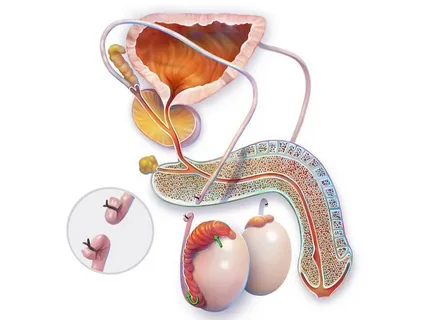
Urinary tract infections (UTIs) are a common reason for medical appointments, affecting people of all ages. Symptoms such as painful urination, frequent urination, pelvic discomfort, and urinary urgency often prompt individuals to seek professional care. If you are preparing for a UTI Treatment Dyer medical visit, understanding what to expect can help you feel more comfortable and informed throughout the process.
A medical evaluation for a urinary tract infection is designed to identify the cause of symptoms, confirm a diagnosis, and determine the most appropriate treatment plan. From discussing your symptoms to completing diagnostic testing, each step helps healthcare providers deliver personalized care.
Discussing Your Symptoms and Medical History
The visit typically begins with a conversation about your symptoms. Your healthcare provider may ask when your symptoms started, how severe they are, and whether they have changed over time. Common symptoms include burning during urination, increased urinary frequency, cloudy urine, and lower abdominal discomfort.
In addition to current symptoms, your doctor will review your medical history. This discussion may include previous urinary tract infections, existing medical conditions, medications, allergies, and any recent procedures involving the urinary system. Gathering this information helps providers better understand your overall health and guide decisions regarding UTI Treatment Dyer.
Undergoing a Physical Examination
Depending on your symptoms, a physical examination may be performed as part of the evaluation. The healthcare provider may examine the abdomen, lower back, or pelvic area to check for tenderness or signs of infection.
A physical examination can provide valuable clues about the location and severity of the infection. It also helps rule out other conditions that may cause symptoms similar to those of a urinary tract infection.
Providing a Urine Sample
One of the most important parts of a UTI evaluation is providing a urine sample. Urine testing allows healthcare providers to look for bacteria, white blood cells, blood, and other indicators of infection.
Patients are usually asked to provide a clean-catch urine sample to reduce the risk of contamination. The results of this test help confirm whether a urinary tract infection is present and support the development of an effective treatment plan.
Understanding Urinalysis Results
A urinalysis is often performed shortly after the urine sample is collected. This test examines several components of the urine that may indicate infection or inflammation within the urinary tract.
The findings help healthcare providers determine whether symptoms are likely caused by a urinary tract infection or another urinary condition. Urinalysis remains one of the most commonly used tools in UTI Treatment Dyer evaluations.
When a Urine Culture May Be Recommended
In some situations, a urine culture may be ordered in addition to a standard urinalysis. A urine culture identifies the specific bacteria responsible for the infection and determines which antibiotics are most likely to be effective.
This test is particularly useful for individuals with recurrent infections, severe symptoms, or infections that do not respond to initial treatment. The information gained from a urine culture can help healthcare providers tailor treatment recommendations to the patient’s specific needs.
Discussing Treatment Options
Once the diagnosis is confirmed, your healthcare provider will discuss available treatment options. Antibiotics are commonly prescribed to eliminate bacterial infections, and the choice of medication depends on several factors, including the type of bacteria involved and the patient’s medical history.
The provider may also explain how long treatment should continue, potential side effects, and the importance of completing the entire course of medication. Clear communication during this stage helps patients understand their treatment plan and supports successful recovery.
Receiving Guidance for Symptom Management
In addition to treating the infection itself, healthcare providers often offer recommendations for managing symptoms during recovery. Staying hydrated, getting adequate rest, and following medication instructions can support the healing process.
Patients may also receive advice about avoiding activities or habits that could worsen urinary symptoms while the infection is being treated. These recommendations are designed to complement the prescribed UTI Treatment Dyer plan.
Learning About Prevention Strategies
Many medical visits include a discussion about preventing future urinary tract infections. Preventive recommendations may vary depending on age, medical history, and individual risk factors.
Patients who experience recurring infections may receive additional guidance regarding hydration, personal hygiene, urinary habits, and lifestyle adjustments. Similar preventive discussions often occur during UTI Treatment St. John and UTI Treatment Highland appointments to help reduce the likelihood of future infections.
Understanding Follow-Up Care
Some patients may require follow-up appointments after treatment, especially if symptoms persist or infections occur repeatedly. Follow-up care allows healthcare providers to monitor recovery and determine whether additional testing or treatment is necessary.
Patients should contact their healthcare provider if symptoms worsen, fail to improve, or return after completing treatment. Early communication can help address potential concerns before complications develop.
Preparing for Your Appointment
Being prepared for your appointment can help make the visit more productive. Consider writing down your symptoms, current medications, and any questions you would like to discuss with your healthcare provider.
Bringing relevant medical information can help streamline the evaluation process and ensure that your provider has the information needed to recommend appropriate care. Preparation can contribute to a more efficient and informative UTI Treatment Dyer medical visit.
Conclusion
A UTI Treatment Dyer medical visit typically includes a review of symptoms, medical history assessment, physical examination, urine testing, and a discussion of treatment options. Each step helps healthcare providers accurately diagnose the infection and recommend an effective treatment plan. Whether seeking UTI Treatment Dyer, UTI Treatment St. John, or UTI Treatment Highland, understanding what to expect during the appointment can help patients feel more confident and engaged in their care. Early evaluation and timely treatment remain important for promoting recovery and supporting long-term urinary health.
