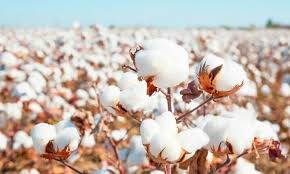
Cotton is one of the world’s most valuable agricultural crops. It is used to produce clothing, textiles, medical products, and many other everyday items. Growing a healthy cotton crop requires careful planning from planting until harvest. One of the most important factors that influences cotton production is cotton fertility. Proper soil fertility provides the nutrients that cotton plants need to grow strong roots, healthy leaves, quality fibers, and high yields.
Every crop removes nutrients from the soil during its growth. If these nutrients are not replaced properly, the soil becomes less productive over time. Good fertility management helps maintain soil health while giving cotton plants the nutrients they need throughout every stage of growth.
Cotton plants require a balanced supply of nutrients rather than large amounts of a single fertilizer. The right fertility program supports root development, encourages healthy flowering, improves boll formation, and increases fiber quality. At the same time, proper nutrient management helps farmers avoid unnecessary fertilizer waste and protects long-term soil productivity.
Understanding cotton fertility is important for both new and experienced farmers. With good planning, regular soil testing, and proper nutrient management, growers can improve crop performance while reducing production risks.
In this article, you will learn what cotton fertility means, why it is essential for crop growth, which nutrients are most important, and how proper fertility management supports healthy cotton production.
Understanding Cotton Fertility and Its Role in Crop Growth
Cotton fertility provides the nutrients needed for healthy plant development, strong growth, and successful harvests.
What Is Cotton Fertility?
Cotton fertility refers to the ability of the soil to supply the nutrients required for healthy cotton growth.
Healthy soil contains the right balance of nutrients, moisture, organic matter, and biological activity that supports strong plant development.
A good fertility program helps maintain this balance throughout the growing season.
Why Cotton Fertility Matters
Cotton fertility directly affects every stage of crop development.
Proper nutrient availability helps improve:
- Root growth
- Leaf development
- Stem strength
- Flower production
- Boll formation
- Fiber quality
Healthy plants are better prepared to produce higher yields.
Essential Nutrients for Cotton
Cotton plants require several important nutrients for proper growth.
Some of the primary nutrients include:
Nitrogen
Nitrogen supports leaf growth and overall plant development.
Too little nitrogen may reduce growth, while excessive nitrogen can delay maturity.
Balanced application is important.
Phosphorus
Phosphorus helps develop strong roots and supports early plant growth.
Healthy root systems improve nutrient and water absorption.
Potassium
Potassium contributes to overall plant strength.
It supports boll development, water regulation, and fiber quality while helping plants tolerate environmental stress.
Secondary Nutrients
In addition to primary nutrients, cotton also benefits from:
- Calcium
- Magnesium
- Sulfur
These nutrients support healthy plant growth and improve nutrient balance.
Micronutrients
Although needed in smaller amounts, micronutrients remain important.
Examples include:
- Zinc
- Boron
- Iron
- Manganese
Deficiencies may reduce crop performance even when major nutrients are sufficient.
Importance of Soil Testing
Soil testing is one of the best ways to evaluate cotton fertility.
Testing helps determine:
- Existing nutrient levels
- Soil pH
- Organic matter
- Fertility needs
Accurate information allows farmers to apply nutrients more efficiently.
Balanced Nutrient Management
Applying the correct balance of nutrients is more effective than applying excessive amounts of fertilizer.
Balanced cotton fertility improves plant growth while reducing unnecessary costs and environmental impact.
Why Proper Cotton Fertility Supports Long Term Farm Success
Good fertility management improves crop performance while protecting soil productivity for future growing seasons.
Healthy Root Development
Strong roots help cotton plants absorb water and nutrients efficiently.
Cotton fertility encourages deeper root systems that support healthier plants throughout the growing season.
Healthy roots improve drought tolerance and nutrient uptake.
Better Plant Growth
Balanced nutrition allows cotton plants to grow evenly.
Healthy plants often produce:
- Strong stems
- Larger leaves
- Better branching
- More flowers
- Improved boll development
These improvements contribute to higher yields.
Improved Fiber Quality
Fiber quality is an important goal for cotton production.
Proper cotton fertility supports:
- Better fiber length
- Improved fiber strength
- More uniform fiber development
Good nutrition contributes to better harvest quality.
Increased Yield Potential
Healthy plants have greater potential to produce larger harvests.
Cotton fertility supports higher productivity by supplying nutrients during every important stage of crop growth.
Consistent fertility management helps maximize yield potential.
Better Water Use
Healthy plants use water more efficiently.
Proper cotton fertility strengthens root systems, allowing plants to absorb moisture more effectively during dry periods.
Efficient water use supports crop stability.
Supporting Soil Health
Good fertility management protects the long-term productivity of agricultural land.
Farmers can improve soil health by:
- Maintaining organic matter
- Applying nutrients responsibly
- Avoiding excessive fertilizer use
- Monitoring soil conditions regularly
Healthy soil benefits future crops.
Importance of Timely Fertilizer Application
Timing is an important part of nutrient management.
Applying nutrients when cotton plants need them most improves nutrient availability while reducing waste.
Proper timing increases fertilizer efficiency.
Avoiding Common Fertility Mistakes
Several mistakes can reduce cotton productivity.
These include:
- Applying fertilizer without soil testing
- Using excessive fertilizer
- Ignoring micronutrient deficiencies
- Applying nutrients at the wrong time
- Failing to monitor crop performance
Avoiding these mistakes improves overall crop management.
Monitoring Crop Development
Regular field observations help identify nutrient deficiencies before they become serious.
Farmers should monitor:
- Leaf color
- Plant height
- Flower development
- Boll formation
- Overall plant health
Early correction helps protect yield.
Environmental Benefits
Responsible cotton fertility practices also support environmental protection.
Balanced nutrient management helps reduce nutrient loss while improving fertilizer efficiency.
Sustainable practices benefit both farms and surrounding ecosystems.
Long Term Farm Productivity
Successful farming depends on maintaining productive soil year after year.
Proper cotton fertility supports long-term agricultural success by preserving soil quality while producing healthy crops.
This helps ensure future harvests remain productive.
Why Fertility Planning Matters
Every field has different nutrient requirements.
Developing a fertility plan based on soil testing, crop needs, and local growing conditions allows farmers to make better management decisions throughout the season.
Planning reduces unnecessary expenses while improving crop performance.
Conclusion
Cotton fertility is one of the most important factors affecting healthy crop growth, fiber quality, and overall farm productivity. By supplying the right balance of nutrients throughout the growing season, farmers can support strong root development, healthy plant growth, improved boll formation, and higher yields.
