Cafes and fast-casual restaurants are built around convenience, presentation, and customer experience. Whether a customer orders a burger with fries, a breakfast sandwich, a pastry, or a shareable appetizer, the way the food is served can influence how the entire meal feels.
Packaging is therefore more than a practical requirement. It can become part of the restaurant’s visual identity and service experience.
One simple packaging element that can make a noticeable difference is the liner placed inside a food basket or serving tray. A well-designed liner can create a clean surface for food, support portion presentation, help manage small amounts of grease or moisture, and reinforce the restaurant’s branding.
For cafes and fast-casual businesses across the United States, these liners can be especially useful because they work with many types of menus and service styles. They can be used for dine-in meals, counter service, food trucks, catering, outdoor events, and takeaway orders.
The most effective approach is to choose the right material and size for the food while using a design that complements the restaurant’s broader branding.
What Are Food Basket Liners and Why Do Cafes Use Them?
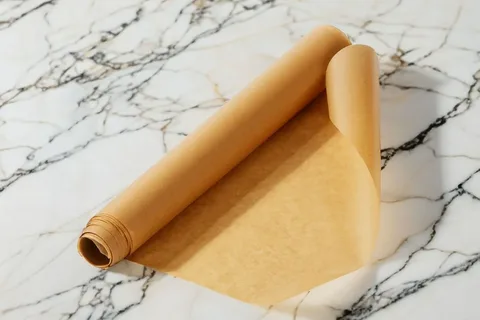
food basket liners are sheets of food-contact packaging material placed inside serving baskets, trays, or similar containers before food is added. They create a clean presentation surface between the food and the serving container.
Cafes and fast-casual restaurants use liners for several practical and visual reasons.
First, liners can help keep serving baskets cleaner. Food can release crumbs, sauces, oils, and other residue during service. A disposable liner provides an additional layer between the food and the basket, making cleanup and turnover easier.
Second, liners can improve food presentation. A plain basket can look basic, while a properly sized printed sheet can make the meal appear more organized and intentional.
Third, liners provide another opportunity for branding. Restaurants can use logos, patterns, brand colors, illustrations, or other design elements to make their packaging recognizable.
They are commonly used for foods such as burgers, fries, sandwiches, chicken tenders, appetizers, pastries, and other casual menu items.
How Can a Wax Paper With Logo Design Improve Food Presentation?
A wax paper with logo design can turn a functional packaging material into a visible part of the restaurant’s brand experience.
When a customer receives a burger or sandwich in a basket lined with paper carrying the restaurant’s visual identity, the packaging feels more connected to the business. Instead of appearing generic, the presentation reflects the restaurant’s personality.
The logo does not need to dominate the entire sheet. A small repeated logo pattern can create a clean and modern appearance. Restaurants with bold branding may choose larger graphics, while cafes with a minimalist style may prefer a simple logo and subtle pattern.
The important factor is consistency.
The design should complement other restaurant elements such as menus, signs, takeaway bags, cups, napkins, uniforms, and online branding.
This approach can work particularly well for fast-casual businesses because the food is often served in baskets, trays, or paper containers where the liner remains visible throughout the meal.
How Should Cafes Use Liners for Breakfast and Brunch Foods?
Breakfast and brunch menus offer several opportunities to use printed serving liners.
A cafe may serve breakfast sandwiches, toast, pastries, pancakes, waffles, or other foods on trays or baskets. A liner can create a clean background that separates the food from the serving surface.
For breakfast sandwiches, the liner can be folded or positioned beneath the food to catch crumbs and small amounts of filling. Pastries can be presented on a clean sheet that complements the cafe’s visual identity.
Brunch restaurants can also use different designs for seasonal promotions. For example, a cafe might introduce a special pattern during the holiday season or use a limited design for a local event.
However, restaurants should avoid changing designs too frequently if brand recognition is a priority. A consistent visual system usually provides stronger long-term recognition.
Can Liners Be Used for Burgers and Fries?
Yes. Burgers and fries are among the most common foods suitable for basket and tray presentation.
Fast-casual restaurants often serve burgers in baskets because the format is convenient and visually appealing. A liner can be placed underneath the burger and fries to create a more polished presentation.
The liner can also help contain crumbs and small amounts of food residue.
For restaurants serving loaded fries, cheese fries, or sauced foods, material selection becomes particularly important. The liner should be appropriate for the expected grease and moisture levels.
Businesses should review supplier specifications and food-contact information before selecting packaging for specific menu items.
The goal is to choose a material that supports the food-service application rather than selecting a product solely because of its appearance.
How Can Restaurants Use Liners for Sandwiches and Wraps?
Sandwiches and wraps can be served directly on a liner inside a tray or basket.
A properly sized sheet can help create separation between the food and the serving container while contributing to a cleaner presentation.
For larger sandwiches, the liner can be folded around part of the food. This can make the item easier to handle while helping contain crumbs and small food particles.
Fast-casual restaurants can also use liners to create a consistent presentation across different sandwich varieties.
For example, a restaurant may serve grilled chicken sandwiches, deli sandwiches, wraps, and paninis using the same branded liner design. Although the menu items differ, the packaging provides a common visual connection.
This consistency can help make the restaurant’s service look more organized.
What Is the Best Way to Match Liner Size to the Food Basket?
Choosing the correct size is important for both appearance and functionality.
A liner that is too small may leave large areas of the basket exposed. A sheet that is too large can bunch up around the food and make the presentation look untidy.
Restaurants should measure the interior dimensions of their serving baskets and trays before ordering.
Important measurements include:
- Basket length
- Basket width
- Tray depth
- Food portion size
- Folding requirements
- Amount of visible liner desired
Some restaurants prefer the liner to sit flat underneath the food. Others may want the paper to extend slightly over the edges of the basket.
The correct choice depends on the restaurant’s service style and the appearance it wants to create.
Testing a sample before placing a large order is a practical way to confirm the dimensions.
How Can Liners Support Restaurant Branding?
Branding works best when it is consistent across multiple customer touchpoints.
A restaurant may already use a particular logo, color palette, typography, and visual style on its website and storefront. Those same elements can be adapted for food packaging.
Printed liners can reinforce this identity during the actual dining experience.
For example, a modern cafe might use a simple black-and-white pattern. A colorful fast-casual restaurant might use bright graphics. A barbecue restaurant could use a rustic illustration style.
The design should reflect the restaurant’s personality.
It should also remain easy to recognize. A customer should be able to associate the packaging with the restaurant without needing to study the design closely.
Simple, repeatable elements are often effective because they can be used across different packaging products.
Can Custom Liners Help With Takeout Orders?
Yes, although liners are particularly useful for dine-in and counter-service presentation, they can also have applications in takeaway packaging.
A restaurant may place a liner inside a food box, basket-style container, or serving tray when appropriate for the packaging format.
For takeaway orders, businesses should focus heavily on food protection and material suitability. Packaging must be selected according to the food’s temperature, moisture, grease level, and expected holding time.
The liner can also provide a branded visual element when the customer opens the package.
This is important because the unboxing experience has become increasingly relevant to restaurant marketing. Customers may photograph meals before eating them, especially when the food has strong visual appeal.
A clean and recognizable packaging design can make these moments more consistent with the restaurant’s identity.
How Can Cafes Use Liners for Pastries and Baked Goods?
Cafes that serve pastries, cookies, muffins, croissants, and other baked goods can use liners to improve presentation.
A pastry served directly on a tray can sometimes appear unfinished. A clean paper surface creates visual separation and can make the product stand out.
For baked goods, restaurants should consider whether the selected material is appropriate for the food and whether the paper needs to handle butter, icing, fillings, or other ingredients.
The design can also reflect the cafe’s atmosphere.
A bakery with a handcrafted identity might use illustrations or repeating patterns. A modern coffee shop could use a minimal design that works with its cups and bags.
The packaging should enhance the appearance of the food rather than compete with it.
Are Liners Useful for Food Trucks and Outdoor Service?
Yes. Food trucks, pop-up restaurants, and outdoor food vendors can benefit from basket liners because they support fast and organized service.
Food trucks often need packaging that is simple to handle and suitable for busy environments. A liner can help create a defined serving surface while also providing an opportunity for branding.
For outdoor events, the same packaging can help create consistency even when the restaurant is operating away from its regular location.
This can be useful at:
- Food festivals
- Farmers markets
- Sporting events
- Community events
- Corporate gatherings
- University events
- Outdoor concerts
- Local fairs
Businesses should make sure the chosen packaging format is practical for the specific operating environment.
How Can Restaurants Use Liners for Seasonal Promotions?
Seasonal packaging can create excitement around limited-time menu items.
A restaurant might introduce a special design for summer, Thanksgiving, Christmas, Valentine’s Day, or a local event.
For example, a cafe launching a seasonal pastry menu could use packaging with a temporary pattern while keeping its primary logo consistent.
This approach allows restaurants to add variety without completely changing their brand identity.
Seasonal packaging can also be useful for promotional campaigns. A restaurant could create a special liner for an anniversary, grand opening, new menu launch, or community partnership.
However, businesses should consider inventory carefully. Ordering large quantities of short-term promotional packaging may create unnecessary waste if the promotion ends quickly.
What Design Should Restaurants Choose for Their Liners?
The best design depends on the restaurant’s brand and customers.
There is no single design that works for every business.
A restaurant should consider:
Logo Placement
The logo should be visible without making the design feel crowded.
Color Selection
Colors should match the existing brand identity whenever possible.
Pattern
Repeating patterns can create visual interest and make the liner recognizable from different angles.
Typography
Fonts should remain consistent with other restaurant marketing materials.
White Space
Leaving some empty space can make the overall design easier to read and more professional.
Food Visibility
The design should not make the food difficult to see. The meal remains the primary focus.
A good liner design supports the food rather than overpowering it.
How Can Restaurants Control Packaging Costs?
Cost control is important, particularly for businesses using packaging every day.
Restaurants should estimate their average weekly or monthly packaging consumption before placing a large order.
Factors to consider include:
- Daily customer volume
- Number of meals served
- Number of packaging formats
- Storage space
- Minimum order quantities
- Printing requirements
- Delivery costs
- Expected menu changes
Bulk purchasing can sometimes improve unit economics, but restaurants should avoid ordering more packaging than they can reasonably use.
Businesses with changing menus may benefit from selecting a versatile liner design that works across several food categories.
What Should Restaurants Check Before Ordering?
Before ordering, restaurants should confirm the packaging’s intended food-service application.
Important questions include:
- Is the material appropriate for the intended food?
- What size is required?
- How much grease or moisture will the paper encounter?
- Will the food be served hot or cold?
- Does the supplier provide product specifications?
- Can the restaurant review a sample?
- What printing options are available?
- What is the minimum order quantity?
- How long will production and delivery take?
- How should the packaging be stored?
Restaurants should also confirm relevant food-contact requirements for their intended use and location.
A reliable packaging supplier should be able to provide clear information about materials, sizes, printing, quantities, and production expectations.
How Can Cafes Create a Consistent Packaging System?
The most effective approach is to think beyond one packaging item.
A cafe or fast-casual restaurant can develop a coordinated packaging system that includes liners, sandwich wraps, food trays, cups, bags, napkins, labels, and boxes.
The same branding elements can be adapted across these products.
This makes the customer experience more cohesive.
For example, the logo used on a food liner can also appear on takeaway bags. The same color palette can be used on cups and boxes. A repeating pattern can appear across several packaging formats.
Restaurants do not need to customize every product immediately. They can start with the items customers see most often and expand the system as the business grows.
Frequently Asked Questions
Are custom liners suitable for cafes?
Yes. They can be used for sandwiches, pastries, breakfast foods, burgers, fries, and many other cafe menu items, provided the selected material is suitable for the intended food application.
Can fast-casual restaurants use printed liners?
Yes. Printed liners can provide both practical serving support and a visible branding element. They are especially useful in baskets, trays, and other open food-service formats.
What size liner should a restaurant order?
The size should match the interior dimensions of the serving basket or tray. Restaurants should measure their containers and test samples before ordering large quantities.
Are food liners only for dine-in service?
No. Depending on the packaging format and food application, liners can also be used with takeaway, catering, food trucks, events, and other service environments.
Can liners be used for greasy foods?
They can be, but the restaurant should select a material specifically suitable for the expected grease and moisture conditions. Supplier specifications should be reviewed before ordering.
How do branded liners improve presentation?
They create a consistent visual surface beneath or around the food. When the design matches the restaurant’s branding, the liner can make the meal feel more coordinated and professional.
Should a restaurant order samples?
Yes. Samples help confirm the size, material, print quality, appearance, and suitability for actual menu items before a larger production order is placed.
Can small cafes afford custom packaging?
Custom packaging can be available in different quantities and formats. Small businesses should compare minimum order quantities, unit costs, storage requirements, and expected usage before purchasing.
Should every restaurant packaging item have the same design?
Not necessarily. Different products may require different layouts, but they should share recognizable branding elements such as the logo, colors, typography, or pattern.
Final Words
Custom basket liners can provide cafes and fast-casual restaurants with a simple way to improve food presentation while supporting everyday service needs.
The value comes from combining functionality with thoughtful design. A liner can help create a cleaner serving surface, support organized presentation, and add a recognizable visual element to the customer’s meal.
For U.S. restaurants, the best approach is to select packaging based on the actual menu, serving environment, food characteristics, and expected order volume. Material suitability, sizing, print quality, and food-contact considerations should always be evaluated before placing a large order.
Branding should also remain consistent. When the same visual identity appears across menus, signs, takeaway packaging, cups, bags, and serving liners, customers receive a more cohesive experience.
Whether a business operates a neighborhood cafe in New York, a fast-casual restaurant in Chicago, a food truck in Los Angeles, or a growing restaurant concept in another U.S. market, thoughtfully designed food packaging can become a useful part of the brand experience.
The goal is simple: make the packaging practical, make the presentation attractive, and make the restaurant easy for customers to recognize and remember.
