Farming today is very different from farming in the past. Modern farmers face many challenges such as changing weather, pest attacks, rising costs, and the need to produce more food using fewer resources. Because of these challenges, new technologies are becoming very important in agriculture.
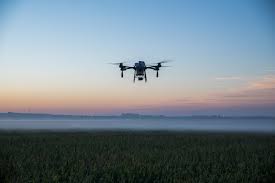
One of the most useful innovations in recent years is custom drone spraying. This method uses advanced drones to spray fertilizers, pesticides, and other crop treatments directly over farmland. Instead of using traditional machines or manual labor, farmers can now use drones that fly over fields and apply treatments with high precision.
Custom drone spraying is becoming popular because it saves time, reduces waste, and improves crop health. It also helps farmers manage large farms more efficiently while keeping costs under control.
This article explains the top advantages of custom drone spraying for modern farmers and why it is becoming an important tool in agriculture today.
Understanding Custom Drone Spraying in Modern Agriculture
Before exploring the advantages, it is important to understand what custom drone spraying is and how it works in farming environments.
What Is Custom Drone Spraying?
Custom drone spraying refers to the use of specially designed drones to spray agricultural inputs such as:
- Fertilizers
- Pesticides
- Herbicides
- Nutrient solutions
These drones are programmed to fly over fields and spray specific areas based on farm requirements.
Unlike traditional spraying methods, which often cover entire fields evenly, custom drone spraying allows farmers to target only the areas that need treatment.
How Drone Spraying Works
The process of custom drone spraying is simple but highly effective.
It includes:
- Mapping the farm area using drone technology
- Identifying crop conditions and problem zones
- Programming the drone with specific spray instructions
- Flying the drone over the field
- Applying chemicals or nutrients with precision
This process ensures that crops receive the right treatment at the right time.
Why Farmers Are Adopting Drone Spraying
Farmers are choosing custom drone spraying because it:
- Saves time compared to manual spraying
- Reduces chemical waste
- Improves accuracy
- Works well on large fields
- Increases productivity
These benefits make it an attractive solution for modern agriculture.
The Role of Technology in Modern Farming
Technology is playing a major role in improving farming methods. From automated machines to smart sensors, agriculture is becoming more advanced.
Custom drone spraying is part of this transformation, helping farmers work more efficiently and sustainably.
Top Advantages of Custom Drone Spraying for Modern Farmers
Custom drone spraying offers many benefits that are changing the way farmers manage crops. These advantages help improve productivity, reduce costs, and support sustainable farming practices.
Improved Precision and Accuracy
One of the biggest advantages of custom drone spraying is its precision.
Drones can:
- Target specific areas in a field
- Avoid over-spraying or under-spraying
- Apply chemicals evenly and accurately
This precision ensures that crops receive the correct amount of treatment.
Better accuracy helps:
- Reduce crop damage
- Improve plant health
- Increase overall yield
Faster Crop Treatment
Traditional spraying methods can take a long time, especially for large farms. Workers may need hours or even days to complete the process.
Custom drone spraying is much faster because drones can cover large areas quickly.
This leads to:
- Faster pest control
- Timely fertilizer application
- Quick response to crop issues
Speed is especially important when dealing with pest outbreaks or weather-related crop stress.
Reduced Chemical Waste
In traditional farming methods, chemicals are often sprayed over entire fields, even where they are not needed. This leads to waste and higher costs.
Custom drone spraying helps reduce waste by:
- Spraying only required areas
- Using precise amounts of chemicals
- Avoiding unnecessary coverage
This makes farming more cost-effective and environmentally friendly.
Lower Labor Costs
Manual spraying requires a large workforce, especially on big farms. This increases labor costs and time requirements.
With custom drone spraying:
- Fewer workers are needed
- Tasks are completed faster
- Labor efforts are reduced
This helps farmers save money while improving efficiency.
Better Crop Health Management
Healthy crops depend on timely and accurate treatment. Delays or incorrect application can harm plant growth.
Custom drone spraying helps farmers:
- Detect problem areas quickly
- Treat diseases early
- Provide nutrients where needed
This results in stronger and healthier crops.
Ability to Reach Difficult Areas
Some parts of farmland are difficult to access using traditional equipment. These may include:
- Wet fields
- Uneven terrain
- Large or remote areas
Drones can easily fly over these areas and apply treatments without difficulty.
This ensures complete coverage of the entire farm.
Reduced Environmental Impact
Custom drone spraying supports more sustainable farming practices.
It helps reduce environmental impact by:
- Lowering chemical overuse
- Minimizing soil contamination
- Reducing fuel consumption from heavy machinery
This makes farming more eco-friendly and responsible.
Increased Yield and Productivity
When crops receive the right treatment at the right time, they grow better and produce more.
Custom drone spraying improves yield by:
- Preventing crop diseases
- Ensuring balanced nutrient distribution
- Reducing crop stress
Healthier crops lead to higher productivity and better harvests.
Real-Time Monitoring and Data Collection
Modern drones are equipped with advanced sensors that collect valuable farm data.
This allows farmers to:
- Monitor crop conditions
- Track field performance
- Make data-based decisions
Having accurate information improves overall farm management.
Time-Saving Farming Solution
Time is very important in agriculture. Delays in spraying can affect crop quality.
Custom drone spraying saves time by:
- Completing tasks quickly
- Reducing manual effort
- Automating spraying processes
Farmers can focus on other important farm activities.
Safer Farming Practices
Traditional spraying methods expose workers to chemicals, which can be harmful.
Drone spraying improves safety by:
- Keeping workers away from chemicals
- Reducing direct contact with pesticides
- Using remote-controlled systems
This makes farming safer and healthier.
Suitable for Large-Scale Farming
Large farms are difficult to manage manually. Custom drone spraying is ideal for large agricultural areas.
It helps by:
- Covering wide fields efficiently
- Maintaining consistent spray quality
- Reducing operational complexity
This makes it a practical solution for commercial farming.
Supports Precision Agriculture
Custom drone spraying is an important part of precision agriculture.
Precision agriculture means using technology to make farming more accurate and efficient.
Drones help by:
- Providing detailed field data
- Applying treatments only where needed
- Improving resource management
This leads to smarter farming practices.
Quick Response to Crop Problems
When pests or diseases appear, quick action is needed to prevent damage.
Custom drone spraying allows farmers to:
- Respond immediately to issues
- Apply targeted treatments
- Stop problems from spreading
This helps protect crops more effectively.
Better Resource Management
Efficient use of resources is important for sustainable farming.
Drone spraying helps farmers manage:
- Water usage
- Chemical inputs
- Fertilizer application
This ensures resources are not wasted.
Long-Term Cost Savings
Although drone technology may require an initial investment, it provides long-term savings.
Farmers benefit through:
- Reduced chemical usage
- Lower labor costs
- Improved crop yields
- Less equipment maintenance
Over time, these savings become significant.
Conclusion
Custom drone spraying is transforming modern agriculture by making farming faster, more accurate, and more efficient. It helps farmers apply fertilizers and pesticides with precision, reduce waste, and improve crop health. These advantages make it a powerful tool for both small and large farms.
