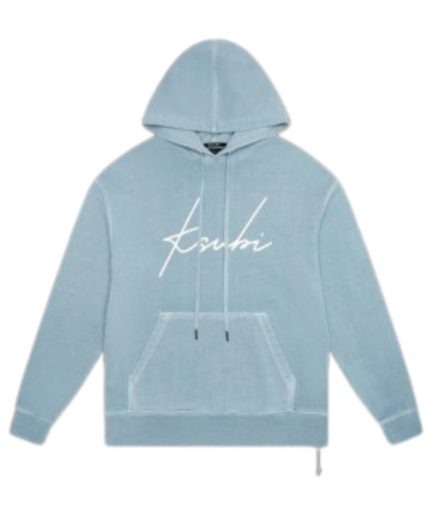
Introduction to Ksubi
Startling Ksubi Hoodie: Creating a Global Lifestyle Brand. Ksubi isn’t just a brand—it’s a movement. What began as a small Australian denim experiment quickly grew into one of the most talked-about names in global streetwear. Known for its rebellious spirit, artistic collaborations, and bold designs, Ksubi Clothing has managed to carve out a niche that bridges underground cool with mainstream acceptance. At the heart of this success lies one of its most beloved pieces: the Ksubi hoodie.
This hoodie has become more than just clothing—it’s a cultural symbol. It embodies the brand’s daring identity, its creative energy, and its refusal to conform to traditional fashion norms. But to fully understand the global appeal of the Ksubi hoodie, we need to look at the story behind the brand and how it grew from obscurity to cult status.
The Origins of Ksubi
Ksubi was born in 1999, in Sydney, Australia, by a group of surfers who were dissatisfied with the denim styles available in the market. Their solution was simple but bold: create their own jeans. The founders—Dan Single, George Gorrow, and Gareth Moody—had little formal training in fashion, but they had a vision that resonated with people looking for something fresh and raw.
From the start, Ksubi wasn’t about polished perfection. It was about imperfection, rebellion, and authenticity. Their jeans came with raw hems, distressed details, and unorthodox fits that challenged the norms of fashion at the time. Soon, their vision expanded beyond denim, and the brand introduced other apparel, including the now-iconic hoodies that perfectly captured Ksubi’s edgy DNA.
The Rise of a Cult Fashion Label
Ksubi quickly became known for more than just clothes—it became known for spectacle. The brand staged infamous fashion shows, including one where they released 200 live rats onto the runway. These stunts shocked the fashion world but also cemented Ksubi’s reputation as an uncompromising and fearless label.
As the brand’s notoriety grew, so did its following. From underground music scenes to mainstream celebrities, people connected with Ksubi’s anti-establishment message. Hoodies became a cornerstone of this connection, offering fans a wearable piece of the brand’s disruptive spirit. They weren’t just garments—they were declarations of individuality.
Why the Hoodie Became a Signature Piece
While denim might have been the entry point for Ksubi, the hoodie became its soul. A hoodie is universal—it transcends gender, age, and social class. It’s comfortable, versatile, and effortlessly stylish. But when Ksubi reimagined the hoodie, it became something more than a basic closet staple.
The brand infused the hoodie with bold graphics, oversized silhouettes, and signature cross embroidery. Suddenly, it wasn’t just an item of clothing—it was a conversation starter. Fans around the world adopted the hoodie not only for its comfort but also as a statement of belonging to the Ksubi movement. In this way, the hoodie evolved from a simple piece of streetwear into a global lifestyle symbol.
The Evolution of Streetwear and Ksubi’s Role
To understand Ksubi Hoodie in its proper context, we need to zoom out and look at the bigger picture: the rise of streetwear. Once dismissed as casual clothing for skaters and hip-hop enthusiasts, streetwear has grown into a multibillion-dollar industry that rivals luxury fashion.
Defining Streetwear in the Modern Era
Streetwear, at its core, is about self-expression. Born in the 1980s and 1990s from skateboarding, surfing, and hip-hop culture, streetwear was never about following trends. It was about creating them. Streetwear brands often thrived outside traditional fashion systems, focusing instead on authenticity, limited drops, and strong connections with their communities.
Today, streetwear has merged with luxury fashion, with high-end designers like Virgil Abloh and Kim Jones collaborating with streetwear brands. This crossover has blurred the lines between casual and luxury, creating space for brands like Ksubi to thrive.
Ksubi’s Disruption of Traditional Fashion Norms
Ksubi’s rise perfectly aligns with the evolution of streetwear. From the start, it challenged traditional fashion in both product design and marketing. Instead of clean lines and formal presentations, Ksubi offered raw creativity, DIY aesthetics, and shows that felt more like punk concerts than runway events.
Their hoodies, splashed with graffiti-inspired graphics and distressed finishes, reflected this anti-establishment ethos. Rather than conforming to seasonal fashion rules, Ksubi thrived on chaos and unpredictability—qualities that made it resonate with young, rebellious audiences.
How the Hoodie Fits Into Streetwear Culture
The hoodie has always been central to streetwear. It’s functional, stylish, and deeply tied to subcultures from skating to rap. Ksubi’s approach was to take this beloved garment and inject it with their unique DNA—rebellion, artistry, and exclusivity.
The result? A hoodie that not only fit into the streetwear narrative but also elevated it. Wearing a Ksubi hoodie became a way to signal both style and attitude. It wasn’t about luxury in the traditional sense—it was about cultural capital. And in streetwear, cultural capital is often more powerful than price tags.
The Iconic Ksubi Hoodie Design
What makes the Ksubi hoodie so instantly recognizable? The answer lies in the details—both visual and tactile—that separate it from generic alternatives.
Bold Graphics and Distinctive Branding
Ksubi isn’t shy when it comes to design. Their hoodies often feature oversized logos, striking typography, and the iconic cross symbol. These elements aren’t just branding—they’re identity markers. When you wear a Ksubi hoodie, you’re broadcasting your connection to the brand’s ethos of defiance and creativity.
Some designs also incorporate bold statements, ironic slogans, or distressed aesthetics that feel more like wearable art than clothing. This creative risk-taking sets Ksubi apart in a crowded market.
Material Quality and Craftsmanship
A hoodie isn’t just about looks—it’s also about feel. Ksubi places heavy emphasis on high-quality materials, ensuring their hoodies deliver comfort alongside style. Soft cotton blends, durable stitching, and carefully constructed fits make the hoodie both wearable and long-lasting.
This commitment to craftsmanship gives the hoodie credibility. It’s not fast fashion; it’s designed to endure, both physically and stylistically.
Limited Editions and Exclusivity Factor
Part of what drives Ksubi’s hoodie hype is scarcity. Many designs are released in limited numbers, making them highly sought after. This exclusivity taps into the psychology of streetwear culture, where owning a rare piece carries social prestige.
Drops often sell out quickly, and resale markets drive up prices, further fueling the hoodie’s allure. Owning a Ksubi hoodie isn’t just about wearing it—it’s about being part of an elite cultural circle.
Celebrity Influence and Global Popularity
No fashion trend becomes global without celebrity influence, and the Ksubi hoodie is no exception.
The Role of Hip-Hop Culture in Ksubi’s Growth
Hip-hop has long been a driving force in fashion trends, and Ksubi has tapped into this energy seamlessly. Rappers, producers, and artists often adopt the hoodie as part of their uniform, blending it with luxury sneakers, designer accessories, and bold streetwear staples. This connection to hip-hop culture gives Ksubi authenticity and reach across global audiences.
Celebrity Endorsements and Street Credibility
From A-list celebrities to underground artists, the Ksubi hoodie has found its way into countless wardrobes. When figures like Kanye West, Travis Scott, and Rihanna are seen in Ksubi, it amplifies the brand’s credibility instantly. Fans who look up to these icons naturally gravitate toward the clothing they wear.
What makes Ksubi different, however, is that it doesn’t rely solely on traditional endorsements. Many celebrities wear it organically, drawn to its rebellious style rather than being paid to promote it. This authenticity further boosts its reputation.
Social Media and the Viral Spread of the Hoodie
Social media has supercharged Ksubi’s global recognition. Instagram, TikTok, and YouTube are filled with influencers styling the hoodie in innovative ways. Viral fashion hauls, street-style videos, and music videos featuring Ksubi have helped spread its appeal to younger audiences worldwide.
The hoodie isn’t just a product anymore—it’s content. Every photo, reel, or Tikor featuring Ksubi adds to its mythos, creating a self-sustaining cycle of demand and visibility.
Ksubi Hoodie as a Lifestyle Statement
The Ksubi hoodie has transcended fashion and become a lifestyle marker, embodying rebellion, creativity, and cultural fluidity.
From Runways to Sidewalks
Ksubi’s genius lies in its ability to exist in both high-fashion spaces and everyday streetwear. You might see a Ksubi hoodie styled with high-end accessories on a runway, and then the next day spot one worn casually by a skater or student. This versatility makes it accessible while still aspirational.
The Hoodie as a Symbol of Rebellion
Fashion has always been a medium of rebellion, and the hoodie is its ultimate weapon. From being stigmatized as “gang wear” in the early 2000s to becoming a luxury staple today, the hoodie has carried cultural baggage. Ksubi embraced that baggage, turning it into a badge of honor. Wearing their hoodie is a way of rejecting conformity and embracing individuality.
Bridging Luxury and Casual Fashion
Perhaps the most fascinating aspect of the Ksubi hoodie is its ability to straddle worlds. It’s casual enough for everyday wear yet carries the exclusivity and craftsmanship associated with luxury fashion. This duality is what makes it a true lifestyle piece—it adapts to the wearer’s world, whether that’s backstage at a concert, on a college campus, or front row at Fashion Week. Read More….
