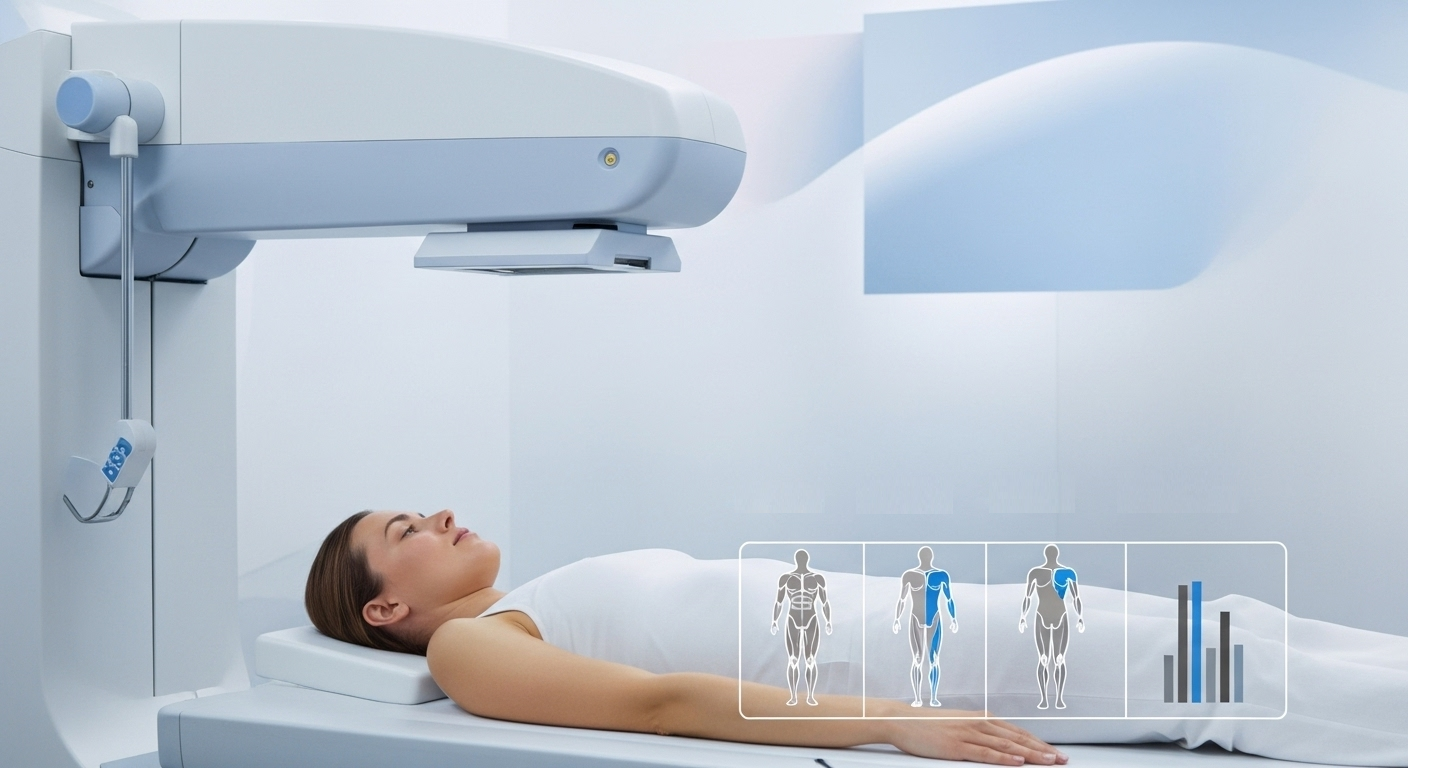
A DEXA body composition scan provides precise measurements of fat, muscle, and bone in the body. Unlike standard scales or fitness devices, it delivers accurate insights that support health, fitness, and medical decision-making. At QLD Radiology Specialists, these scans are performed with advanced imaging technology to ensure reliable results for patients ranging from athletes to individuals managing chronic conditions.
What Is a DEXA Body Composition Scan?
A DEXA body composition scan is a medical imaging test that uses low-dose X-rays to measure the distribution of fat, lean tissue, and bone. The scan identifies exactly how much of the body is made up of muscle, fat, and skeletal tissue. For example, a scan may reveal that a person has 30% body fat, 60% lean muscle, and 10% bone mass, giving a clear picture of overall health.
visit: https://www.qldradiologyspecialists.com.au/radiology_services/dexa-body-composition-scanning/
Key Features of DEXA Body Composition Scans
The defining features of DEXA scans make them more accurate than alternatives like skinfold callipers or bioelectrical impedance scales.
| Feature | Description | Example |
|---|---|---|
| High accuracy | Measures fat, muscle, and bone separately. | A patient’s leg muscle mass can be tracked independently. |
| Low radiation | Uses minimal X-ray exposure. | Less exposure than a chest X-ray. |
| Regional analysis | Provides breakdown by body parts. | Shows fat percentage in arms vs. abdomen. |
| Fast process | Scans usually take under 15 minutes. | Patients complete the test in one appointment. |
| Medical-grade technology | Recognised in healthcare and sports medicine. | Used in clinics and elite training centres. |
How DEXA Scans Function
A DEXA scan functions by sending two low-dose X-ray beams through the body while the patient lies still on a table. The machine measures how each beam is absorbed by different tissues. Because bone, fat, and muscle absorb X-rays differently, the scan produces precise values for each tissue type. This data is processed into a detailed report showing body fat percentage, lean muscle mass, and bone density.
Use Cases of DEXA Body Composition Scanning
DEXA scans have wide applications in healthcare and fitness.
| Use Case | Example | Purpose |
|---|---|---|
| Weight management | Tracking fat loss during a diet program. | Confirms fat loss instead of muscle loss. |
| Sports performance | Monitoring muscle gain in athletes. | Assists in strength training plans. |
| Bone health | Detecting early signs of osteoporosis. | Prevents fractures through early intervention. |
| Medical monitoring | Assessing effects of chronic illness on muscle mass. | Useful in diabetes or cancer treatment. |
| Rehabilitation | Measuring recovery progress after injury. | Helps physiotherapists adjust programs. |
Pros and Cons of DEXA Body Composition Scans
Like all medical assessments, DEXA scans have both advantages and limitations.
| Pros | Cons |
|---|---|
| Highly accurate measurement of fat, muscle, and bone. | Access may be limited to specialised clinics. |
| Provides regional body analysis, not just totals. | Small radiation exposure is involved. |
| Quick test with results available immediately. | Not suitable for pregnant women. |
| Helps in medical and fitness planning. | Costs may not always be covered by Medicare or private health funds. |
Target Audience for DEXA Body Composition Scans
DEXA scans are useful for a wide range of people:
- Athletes who require precise monitoring of muscle growth and fat reduction.
- Fitness enthusiasts seeking to track progress beyond weight scales.
- Middle-aged adults concerned about bone health and risk of osteoporosis.
- Patients with chronic diseases such as diabetes or arthritis, where muscle loss is a concern.
- Individuals in rehabilitation following surgery or injury.
Situational Relevance of DEXA Scans
The value of a DEXA scan becomes clear in specific scenarios:
- During weight loss programs, scans confirm whether weight lost comes from fat rather than muscle.
- In sports training, body composition data guides nutrition and exercise planning.
- In medical care, scans support doctors monitoring bone density and muscle health in ageing populations.
- In rehabilitation, patients rebuilding strength after injury can measure lean tissue gains accurately.
Comparison: DEXA vs Other Body Composition Tools
| Method | Accuracy | Radiation | Regional Data | Time Required |
|---|---|---|---|---|
| DEXA scan | High | Very low | Yes | ~15 minutes |
| Bioelectrical impedance scales | Moderate | None | No | Instant |
| Skinfold callipers | Low to moderate | None | No | 10–20 minutes |
| Hydrostatic weighing | High but impractical | None | No | ~30 minutes |
This table shows why healthcare professionals and athletes prefer DEXA scans for precision and reliability.
Benefits of DEXA Scans with QLD Radiology Specialists
Patients who undergo DEXA body composition scanning at QLD Radiology Specialists gain access to advanced imaging facilities and experienced radiologists. The benefits include:
- Accurate results delivered using modern, calibrated scanners.
- Comprehensive reporting tailored for both medical and fitness purposes.
- Safe environment with expert supervision during every scan.
- Trusted care from a team focused on patient wellbeing and clinical excellence.
By combining medical expertise with cutting-edge technology, QLD Radiology Specialists provide reliable insights that support healthier lifestyles and better clinical outcomes.
visit: https://www.qldradiologyspecialists.com.au/
Conclusion
A DEXA body composition scan offers precise, medical-grade analysis of fat, muscle, and bone distribution. It supports weight management, sports performance, medical monitoring, and rehabilitation with data that cannot be obtained from ordinary scales.
At QLD Radiology Specialists, patients benefit from expert-led DEXA scanning services that prioritise accuracy, comfort, and meaningful results. Whether tracking fitness goals, monitoring bone density, or managing chronic health conditions, a DEXA scan provides the clarity needed to make informed decisions about health and wellbeing.
