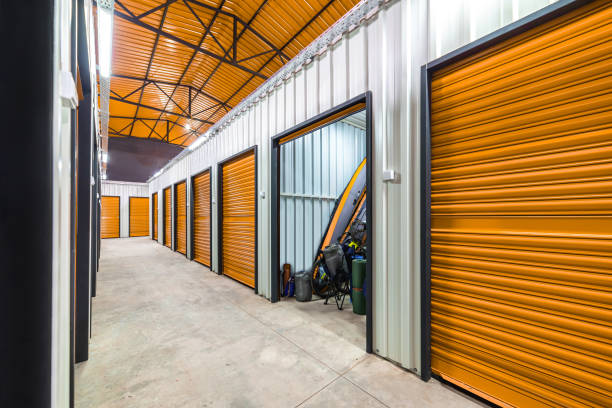
Having enough space for everything can become difficult as households grow, belongings accumulate, or major projects begin. Furniture, seasonal decorations, appliances, tools, and personal possessions can quickly occupy garages, spare rooms, and other useful areas. When every available corner becomes crowded, everyday activities can feel less comfortable and organized. Temporary storage offers a practical way to create additional room without permanently changing the property. With thoughtful planning, families can protect their belongings, improve organization, and make better use of the space they already have.
Why Extra Storage Can Be Helpful
Many storage problems are temporary rather than permanent. A family may need additional room during a move, while another household may require space during a renovation. Seasonal items can also take up significant room for most of the year. Container storage rental can help address these situations by providing a dedicated place for possessions that do not need to remain inside the home. This can allow rooms, garages, and other areas to remain available for everyday use.
Reducing Household Clutter
Clutter often develops slowly. A few boxes in the garage can eventually become several rows of belongings, while unused furniture may occupy an entire room. Instead of keeping everything in areas that are needed for daily activities, homeowners can move rarely used possessions into temporary storage. This approach can make the home feel more spacious without requiring useful belongings to be discarded.
Sorting Items Before Storage
Sorting possessions is an important first step. Items can be separated according to how frequently they are used and how important they are to the household. Seasonal decorations, spare furniture, old records, sports equipment, and outdoor tools may be suitable for storage. Items that are broken or no longer useful can be removed before loading. Container storage rental becomes more efficient when only worthwhile possessions are placed inside.
Creating Useful Categories
Grouping similar items together makes storage easier to manage. Clothing can be kept separately from household equipment, while garden tools can remain together and furniture can have its own section. Clear labels can make future retrieval much faster. A simple organization system can prevent users from opening multiple boxes when they need only one specific item.
Making Home Renovations Easier
Renovation work can make a home temporarily uncomfortable. Furniture may need to be moved, floors may need protection, and rooms may become filled with tools and materials. Keeping personal belongings away from the work area can make the project easier to complete and reduce the possibility of accidental damage.
Protecting Furniture During Construction
Furniture can be vulnerable to dust, paint, scratches, and construction debris. Sofas, tables, cabinets, and other large pieces should ideally be removed from areas where active work is taking place. Container storage rental can provide an additional location for these belongings until the renovation is complete.
Preparing Fragile Possessions
Fragile possessions should be wrapped carefully before being stored. Glassware, artwork, mirrors, and decorative objects can require additional protection. Strong boxes and suitable packing materials can reduce movement during transportation. Items should also be labeled so they can be handled appropriately when they are removed from storage.
Supporting a Home Move
Moving creates a unique storage challenge because the timing between two properties is not always perfect. A new home may require repairs before the move-in date, or a previous property may need to be vacated sooner than expected. Temporary storage can bridge this gap and keep belongings safe while the transition is completed.
Organizing Boxes for Easy Access
Not every box needs to be opened immediately after moving. Everyday essentials should be separated from belongings that can remain packed for several weeks. Frequently needed items can be positioned near the front of the storage area, while seasonal possessions can be placed farther inside. Container storage rental can be easier to manage when the loading process is planned according to future access needs.
Creating a Moving Inventory
An inventory can help homeowners keep track of possessions during a move. Each box can receive a number or clear description, while valuable items can be photographed for reference. This simple system makes it easier to locate specific belongings without opening every box.
Temporary Storage for Businesses
Businesses also need flexible space from time to time. A retailer may receive extra inventory, a contractor may acquire new equipment, or an office may be preparing for relocation. Keeping excess materials in the main workplace can reduce available working space and create unnecessary clutter. Temporary storage can separate reserve materials from daily operations.
Managing Additional Inventory
Inventory should be stored in a way that allows employees to locate products efficiently. Boxes can be arranged according to product type, size, or order status. Labels should be clear and easy to read. Container storage rental can give businesses additional capacity without requiring immediate investment in a larger warehouse.
Handling Seasonal Business Needs
Some businesses only require extra storage during specific times of the year. Holiday retailers, event companies, landscaping services, and other seasonal operations may experience temporary increases in equipment or inventory. Additional storage can support these periods without creating a permanent expense after demand returns to normal.
Choosing an Appropriate Storage Space
The amount of storage space needed depends on the volume and type of belongings. Users should measure large furniture and consider how many boxes or pieces of equipment will be stored. It is important to avoid selecting a space that is too small because overcrowding can make access difficult. At the same time, choosing excessive capacity may lead to unnecessary costs.
Considering Access Frequency
The frequency of access should influence how items are arranged. Belongings needed regularly should be placed where they can be reached without moving heavy objects. Items intended for long-term storage can be placed farther inside. Container storage rental can work especially well when users organize the space around these access patterns.
Understanding Storage Terms
Before signing an agreement, customers should review the conditions carefully. Rental duration, payment requirements, access arrangements, delivery, collection, and restrictions may vary between providers. Understanding these details can help customers avoid unexpected problems and select an arrangement that fits their project.
Protecting Belongings Properly
Storage preparation should begin before possessions leave the home or business. Furniture should be cleaned, clothing should be completely dry, and fragile items should be wrapped securely. Electronics and sensitive materials may require additional protection. Proper preparation can help preserve possessions during the entire storage period.
Keeping Stored Items Organized
Organization should continue after loading begins. Heavy items should remain stable, while lighter and fragile possessions should be positioned carefully. Clear pathways can make retrieval easier. Container storage rental offers valuable capacity, but the space becomes much more useful when belongings are arranged logically.
Planning for Retrieval
Users should think about what they may need later before closing the storage area. A simple map, inventory list, or photograph can show where important items are located. This preparation can save time when something needs to be retrieved unexpectedly.
Making Temporary Storage Cost Effective
Storage can be more affordable when users plan carefully. Removing unwanted possessions before renting space can reduce the amount of capacity required. Choosing an appropriate rental period and avoiding unnecessary space can also help manage expenses. Businesses can review their inventory regularly to ensure they are not storing materials that are no longer useful.
Reviewing Belongings Regularly
A storage period provides an opportunity to reconsider possessions. Items that have not been used for a long time may no longer be necessary. Donating, recycling, or selling unwanted belongings can reduce future storage requirements. This can also make future moves and household organization easier.
Conclusion
Managing extra space does not always require permanent changes to a home or business. Temporary storage can help during renovations, moves, seasonal changes, and periods of increased inventory. Container storage rental provides a flexible option for people who need additional capacity while keeping their primary spaces organized and functional. By sorting belongings, protecting valuable items, planning access, and choosing suitable storage conditions, users can make temporary storage more efficient. A clear organization strategy can reduce clutter, protect possessions, and make changing space requirements much easier to handle.
