Medical wearables have become an essential component of modern healthcare by improving mobility, safety, and independence for patients who rely on advanced medical devices. Among these technologies, Left Ventricular Assist Devices (LVADs) represent a significant advancement in cardiac care by supporting heart function in individuals with severe heart failure. However, effective LVAD management extends beyond the implanted device itself. Clothing design, carrying systems, and specialized wearable accessories play a critical role in helping patients safely manage external LVAD components during daily activities.
Practical clothing features for LVAD device management focus on creating garments that accommodate controllers, batteries, driveline connections, and emergency supplies while maintaining comfort, accessibility, and discretion. Well-designed medical apparel reduces handling challenges, supports patient confidence, and helps caregivers manage device-related responsibilities more efficiently.
This article examines the functional design principles behind LVAD-friendly clothing, the importance of specialized accessories such as heartware lvad accessories, the role of emergency preparedness through an lvad emergency bag, and the best practices shaping the future of wearable cardiac support solutions.
Understanding LVAD Systems and Clothing Requirements
What Is an LVAD and Why Does Clothing Matter?
A Left Ventricular Assist Device is a mechanical circulatory support system designed to assist the heart’s pumping ability. According to medical references such as Wikipedia’s overview of ventricular assist devices, LVAD systems typically include an implanted pump, a driveline that exits the body, an external controller, and power sources such as batteries.
Unlike many medical devices that remain completely internal, LVAD systems require external components that patients must carry continuously. This creates unique clothing requirements because traditional garments may restrict access, create pressure points, or make device management difficult.
Specialized LVAD clothing addresses these challenges by integrating practical storage areas, protective features, and accessibility-focused designs.
The Importance of Patient-Centered Apparel Design
Medical apparel for LVAD users must balance three major priorities:
- Device safety and accessibility
- Patient comfort and mobility
- Everyday lifestyle integration
A successful clothing solution does not simply hold equipment. It supports real-world activities such as walking, traveling, exercising within medical guidelines, attending appointments, and maintaining social independence.
Key Clothing Features for Effective LVAD Device Management
Secure Storage Compartments for Controllers and Batteries
One of the most important features in LVAD-friendly clothing is strategically placed storage. External controllers and batteries must remain secure while allowing quick access when needed.
Traditional pockets are often insufficient because LVAD components require:
- Stable positioning to prevent pulling on cables
- Adequate ventilation to reduce heat buildup
- Easy access during alarms or troubleshooting
- Protection from accidental drops
Specialized vests, shirts, and wearable carriers often use reinforced compartments designed specifically around LVAD equipment dimensions.
Driveline Management and Protection Features
The driveline is a critical connection between the implanted pump and external controller. Protecting this connection is a major priority because accidental tension or damage can create serious complications.
LVAD-focused clothing may include:
- Dedicated routing channels
- Soft protective barriers
- Adjustable openings
- Reduced friction areas
These features help minimize accidental pulling, improve comfort, and support safer daily movement.
Lightweight and Breathable Materials
Because LVAD patients may wear device-supporting garments for extended periods, material selection is an important design consideration.
Effective medical wearable fabrics typically focus on:
- Moisture management
- Reduced skin irritation
- Lightweight construction
- Long-term durability
Breathable materials are especially valuable because external LVAD equipment can create additional warmth when carried close to the body.
Benefits of Specialized LVAD Clothing Solutions
Improving Patient Independence
A major benefit of LVAD-compatible apparel is increased independence. Patients often need to manage their equipment throughout the day, and clothing that simplifies organization reduces reliance on caregivers.
A structured wearable system allows patients to move more naturally while keeping essential components protected and accessible.
Supporting Emergency Preparedness
Emergency readiness is a fundamental part of LVAD care. Patients commonly carry backup batteries, controller information, medical documentation, and other essential items.
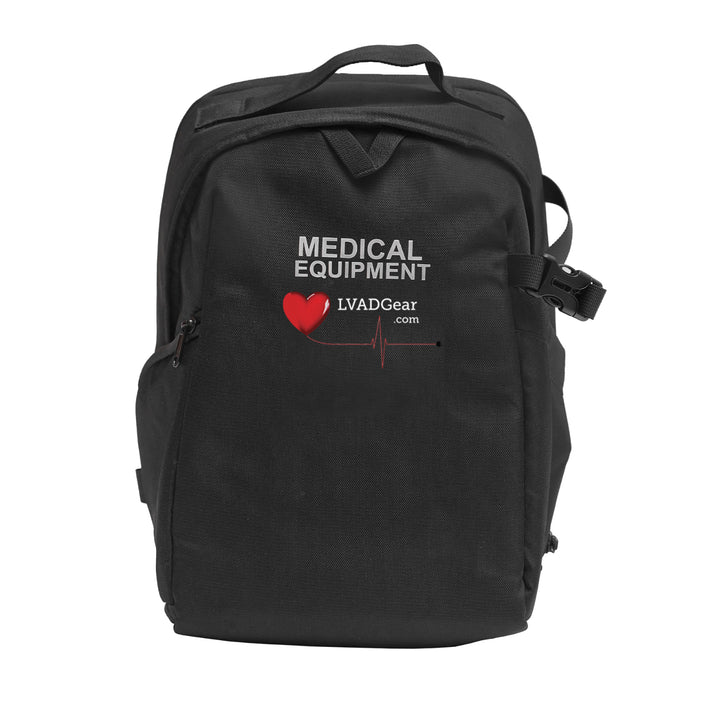
An lvad emergency bag is often organized alongside specialized clothing systems to ensure critical supplies are available during unexpected situations. A well-prepared emergency kit supports faster response during travel, power interruptions, or device-related concerns.
Enhancing Quality of Life
Beyond medical functionality, clothing design influences emotional well-being. Patients frequently report that practical wearable solutions help restore a sense of normalcy by reducing the visibility and inconvenience of medical equipment.
Modern LVAD apparel aims to support both clinical needs and everyday living.
Real-World Applications of LVAD-Friendly Clothing
Daily Activities and Mobility
Patients use LVAD-compatible garments during routine activities such as:
- Walking and rehabilitation programs
- Medical appointments
- Household activities
- Community participation
The ability to securely carry equipment without constant adjustment improves confidence and reduces distractions.
Travel and Lifestyle Adaptation
Travel requires careful planning for LVAD users because power supplies and backup equipment must remain accessible. Clothing systems designed for LVAD management can make transportation easier by improving organization and reducing equipment handling.
Air travel, outdoor activities, and extended trips often require additional preparation, making practical wearable solutions valuable.
Challenges in LVAD Clothing Design
Balancing Function and Appearance
One ongoing challenge is creating apparel that provides medical functionality without appearing overly clinical. Many patients prefer clothing that resembles everyday fashion rather than traditional hospital garments.
Designers increasingly focus on discreet integration, allowing medical wearables to blend into normal wardrobes.
Managing Weight Distribution
LVAD components add additional weight that must be distributed properly. Poorly designed carrying systems may cause discomfort, shoulder strain, or uneven pressure.
Ergonomic design principles help distribute equipment weight more effectively.
Adapting to Different Patient Needs
Every LVAD patient has different physical requirements based on body structure, activity level, and lifestyle. Customization and adjustable designs remain important areas of development within medical apparel.
Expert Insights and Best Practices for LVAD Wearable Design
Medical wearable specialists emphasize that effective LVAD clothing should follow a patient-centered design framework. This approach begins with understanding daily routines, device requirements, and safety considerations.
Best practices include:
- Designing around actual LVAD equipment dimensions rather than general medical storage concepts
- Prioritizing quick access to controllers and batteries
- Using durable materials suitable for frequent use and washing
- Testing garments with real patients and caregivers
- Considering both clinical safety and emotional comfort
These strategies are effective because they address the complete patient experience rather than focusing only on equipment storage.
Healthcare teams, including cardiologists, LVAD coordinators, rehabilitation specialists, and medical designers, often collaborate to evaluate wearable solutions.
Common Mistakes and Misconceptions About LVAD Clothing
Assuming Regular Clothing Is Always Suitable
A common misconception is that standard clothing can easily accommodate LVAD equipment. While some patients adapt existing garments, traditional designs may not provide adequate support or protection.
Focusing Only on Storage Capacity
More storage does not always mean better design. Excessive compartments can create confusion or add unnecessary weight. Effective LVAD apparel prioritizes organized and accessible storage.
Ignoring Comfort During Long-Term Use
Because LVAD equipment is carried continuously, comfort is not optional. Poor fabric choices, limited ventilation, and weak support structures can reduce usability.
Believing Medical Clothing Must Look Clinical
Modern LVAD apparel increasingly combines healthcare functionality with everyday fashion principles. The goal is to support patients without limiting personal style.
Conclusion
Practical clothing features for LVAD device management represent an important intersection between medical technology, patient care, and wearable design. As LVAD systems continue improving survival and quality of life for individuals with advanced heart failure, supportive clothing solutions will remain essential for safe and independent living.
Effective LVAD apparel combines engineering principles, patient-centered design, and everyday usability. From secure storage systems to emergency preparation tools such as an lvad emergency bag, these innovations demonstrate how medical wearables can extend beyond treatment and become an important part of modern patient support.
The future of LVAD clothing development will continue focusing on comfort, accessibility, personalization, and integration into everyday lifestyles, ensuring that patients can manage advanced cardiac technology with greater confidence and independence.
FAQs
What features should LVAD-friendly clothing include?
LVAD-friendly clothing should include secure equipment storage, driveline protection, comfortable materials, easy access points, and designs that support daily movement. The most effective garments are created around actual patient needs and device requirements.
Why is specialized clothing important for LVAD patients?
Specialized clothing helps patients safely carry external LVAD components while reducing discomfort and improving independence. It supports better device management during everyday activities.
How does clothing help protect an LVAD driveline?
Purpose-designed garments can reduce tension, friction, and accidental pulling by providing protected pathways and stable support around the driveline area.
What items are typically included in an lvad emergency bag?
An LVAD emergency bag commonly contains backup batteries, necessary device supplies, controller-related information, medical documentation, and emergency contact details. Specific contents vary according to clinical recommendations.
Can LVAD patients wear normal clothing?
Some patients can adapt regular clothing, but specialized apparel often provides improved safety, comfort, and convenience because it is designed specifically for medical equipment requirements.
How do LVAD accessories improve daily device management?
LVAD accessories improve organization, portability, and protection of external components. They help patients manage equipment more efficiently during different environments and activities.
