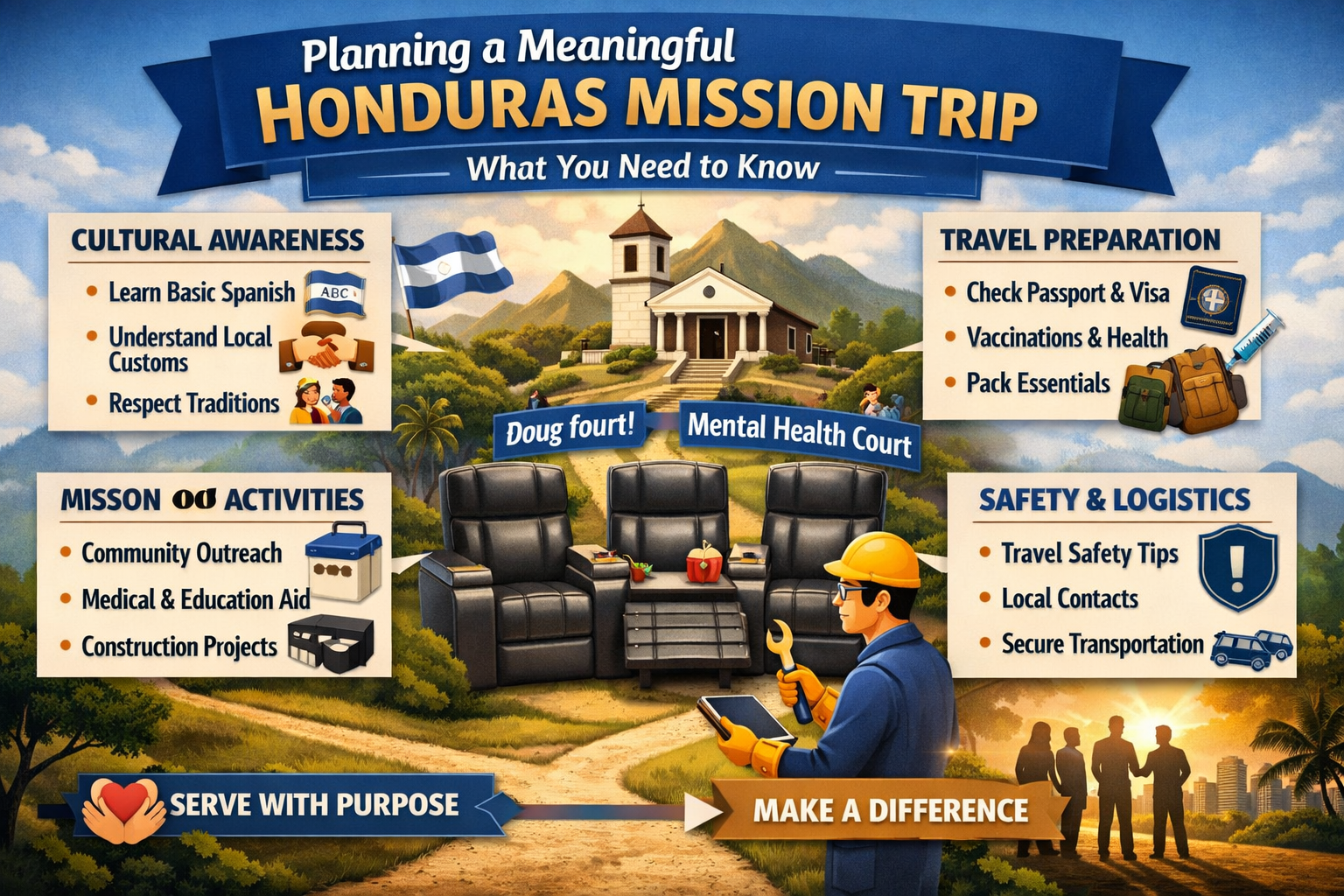
A well-planned honduras mission trip can be a life-shaping experience for both volunteers and the communities they serve. Whether you are traveling through a church group, nonprofit organization, or personal outreach initiative, the goal is usually the same: to offer meaningful service while learning from a different cultural and social environment.
However, many first-time volunteers underestimate the level of preparation required. A mission trip is not just a short-term travel experience—it involves emotional readiness, cultural awareness, logistical planning, and a strong commitment to service. Without proper preparation, even the most well-intentioned effort can fall short of its impact.
In this guide, we’ll break down what a Honduras mission trip involves, how to prepare effectively, common mistakes to avoid, and practical insights to ensure your experience is both impactful and respectful.
Understanding the Purpose of a Honduras Mission Trip
A Honduras mission trip typically focuses on service-oriented work such as community development, education support, medical outreach, construction projects, and faith-based engagement. Many regions in Honduras face economic challenges, limited access to healthcare, and infrastructure needs, which is where volunteer groups often contribute.
But the purpose goes beyond physical labor or short-term assistance. The deeper value lies in relationship-building and cultural exchange. Volunteers often work alongside local leaders, learning how communities approach challenges with resilience and resourcefulness.
Another important aspect is sustainability. Effective mission trips prioritize long-term impact rather than temporary solutions. This means partnering with established local organizations, respecting existing community systems, and ensuring that any support provided aligns with real needs rather than assumptions.
Ultimately, the experience is as much about personal growth as it is about service. Volunteers often return with a broader worldview, stronger empathy, and a better understanding of global inequality and community-driven development.
Step-by-Step Guide to Preparing for a Honduras Mission Trip
Proper preparation can significantly improve the success of your trip. Below is a practical breakdown of how to get ready.
1. Clarify Your Purpose and Role
Before anything else, understand why you are going. Are you participating in construction work, medical outreach, teaching, or general support? Each role requires different skills and expectations.
Clarifying your purpose also helps you stay focused during challenging moments. Mission work can be physically and emotionally demanding, so having a clear intention keeps you grounded.
2. Partner with a Reliable Organization
Choosing the right organization is critical. Look for groups that have long-term relationships in Honduras and a track record of ethical, community-driven work. Avoid organizations that prioritize short-term visibility over sustainable impact.
Good organizations typically provide structured itineraries, local partnerships, safety protocols, and cultural training before departure.
3. Prepare Financially and Logistically
Mission trips often require fundraising or personal budgeting. Costs may include travel, accommodation, supplies, and project materials. Start planning early and set realistic fundraising goals if needed.
Logistically, ensure your passport is valid, check visa requirements, and confirm travel insurance coverage. These details may seem small, but they are essential for smooth travel.
4. Pack Strategically for Field Conditions
Packing for a mission trip is very different from a vacation. Focus on practical items such as breathable clothing, durable shoes, medical essentials, and weather-appropriate gear.
Also consider packing donation-friendly items if your group is distributing supplies. However, always coordinate with your organization to avoid bringing unnecessary or inappropriate goods.
5. Learn Cultural Context and Basic Communication
Understanding Honduran culture improves trust and collaboration. Learn basic Spanish phrases, local customs, and respectful communication styles.
Even small efforts—like greeting people properly or understanding social etiquette—can significantly improve your interactions with local communities.
6. Prepare Mentally and Spiritually
Mission trips often challenge emotional comfort zones. You may encounter poverty, limited resources, or unexpected delays. Mental preparation helps you respond with patience rather than frustration.
Many volunteers also engage in reflection, prayer, or journaling to stay grounded and mindful of their purpose throughout the journey.
Common Mistakes or Challenges on Honduras Mission Trips
Even experienced volunteers can face challenges if they are not careful. One common mistake is approaching the trip with a “savior mindset.” This can unintentionally create distance between volunteers and local communities. The goal should always be collaboration, not rescue.
Another issue is poor preparation. Volunteers sometimes underestimate climate conditions, physical demands, or emotional fatigue. This can lead to burnout early in the trip.
Language barriers are also a frequent challenge. Relying solely on translators without attempting basic communication can limit relationship-building. Even minimal effort in Spanish can make a big difference.
Finally, some groups fail to respect local leadership structures. Successful mission work always involves listening to community leaders and adapting to their priorities rather than imposing external ideas.
Practical Tips for a More Impactful Experience
To make your Honduras mission trip more meaningful, focus on adaptability and humility. Flexibility is essential because plans often change due to weather, resources, or community needs.
Work closely with local partners and trust their expertise. They understand the environment and cultural dynamics far better than outside volunteers.
Document your experience thoughtfully, but avoid turning service moments into performative content. Respect privacy and dignity when sharing stories or reflections.
Another important tip is to stay physically prepared. Hydration, rest, and proper nutrition are often overlooked but essential for maintaining energy during physically demanding tasks.
Finally, engage fully in teamwork. Mission trips succeed when volunteers collaborate effectively, support each other, and remain open to learning.
Conclusion
A Honduras mission trip is more than a volunteer experience—it is an opportunity to serve, learn, and grow in meaningful ways. When approached with humility, preparation, and cultural awareness, it can create lasting impact for both volunteers and local communities.
Success depends on thoughtful planning, strong partnerships, and a willingness to adapt. By focusing on respect and collaboration, you contribute not just to short-term projects but to long-term community strength.
Whether it’s your first trip or one of many, the real value lies in the relationships you build and the perspective you bring back home.
