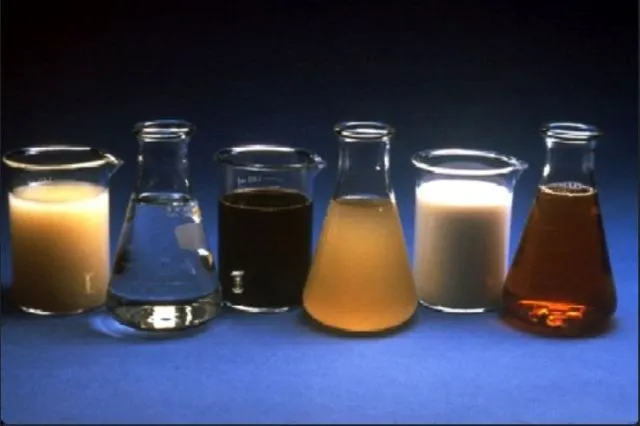
The global construction industry continues to evolve rapidly, creating growing demand for advanced building materials that improve strength, durability, and efficiency. Among these materials, concrete admixtures have become essential for modern infrastructure projects, residential developments, commercial buildings, and industrial facilities.
China has emerged as one of the world’s largest producers and consumers of concrete admixtures. With extensive infrastructure investments, urbanization projects, and manufacturing capabilities, the country plays a major role in shaping global construction chemical trends. At the same time, changes in raw material sourcing, environmental regulations, and technological innovation continue to influence the market.
For manufacturers, suppliers, distributors, and construction professionals, understanding current trends in China’s concrete admixture industry can provide valuable insights for sourcing decisions, product development, and long-term business planning.
Understanding China’s Concrete Admixtures Industry
The china concrete admixtures market has grown significantly over the past two decades due to rapid urban development, transportation infrastructure expansion, and increasing demand for high-performance construction materials.
Concrete admixtures are materials added during the mixing process to improve specific concrete properties. These products help enhance:
- Workability
- Strength development
- Durability
- Water resistance
- Setting time control
- Freeze-thaw resistance
As construction standards continue to rise, the use of advanced admixture technologies has become increasingly common across residential, commercial, and infrastructure projects throughout China.
The country’s large-scale manufacturing capacity has also positioned it as a major supplier of construction chemical products to international markets.
Key Factors Driving Market Growth
Several factors continue to support the expansion of China’s concrete admixture sector.
Infrastructure Development
Large-scale infrastructure projects remain a major growth driver.
Examples include:
- High-speed rail networks
- Bridges and tunnels
- Airports
- Urban transportation systems
- Water management projects
These developments require durable, high-performance concrete capable of meeting demanding engineering standards.
Urbanization
Ongoing urban growth creates sustained demand for residential and commercial construction.
As cities expand, developers increasingly seek advanced concrete technologies that improve efficiency and structural performance.
Green Building Initiatives
Sustainable construction practices are becoming more important throughout the industry.
Admixtures help support sustainability goals by:
- Reducing cement consumption
- Improving durability
- Extending service life
- Enhancing resource efficiency
Industrial Expansion
Growth in manufacturing, logistics, and industrial infrastructure also contributes to increased demand for specialized construction chemicals.
Evolution of Raw Material Requirements
The quality and availability of raw materials significantly influence admixture production.
Modern admixture manufacturers face growing pressure to improve performance while maintaining cost efficiency and environmental responsibility.
As a result, raw material selection has become increasingly strategic.
Manufacturers now focus on:
- Higher purity materials
- Improved consistency
- Enhanced sustainability
- Better supply chain reliability
- Advanced chemical performance
These priorities are driving innovation across the construction chemical sector.
Major Types of Concrete Admixtures Used in China
Several admixture categories dominate the Chinese construction market.
Water Reducers
Water-reducing admixtures remain among the most widely used products.
Benefits include:
- Improved workability
- Higher strength
- Lower water demand
- Enhanced durability
Superplasticizers
These advanced water reducers allow significant reductions in water content while maintaining excellent flow characteristics.
Applications include:
- High-strength concrete
- Self-consolidating concrete
- Large infrastructure projects
Retarding Admixtures
Retarders are commonly used in large projects and hot-weather conditions where extended workability is required.
Accelerating Admixtures
Accelerators support rapid strength development, making them valuable for time-sensitive projects and cold-weather construction.
Air-Entraining Agents
These admixtures improve resistance to freeze-thaw cycles and environmental exposure.
Trends Shaping Raw Material Sourcing
The construction chemical industry continues adapting to changing market conditions.
Several sourcing trends are currently influencing the sector.
Supply Chain Diversification
Manufacturers increasingly seek multiple supply sources to reduce risks associated with disruptions and shortages.
Diversification improves:
- Supply security
- Pricing stability
- Production continuity
Focus on Quality Consistency
Construction projects demand reliable performance.
As a result, producers place greater emphasis on:
- Raw material testing
- Quality assurance programs
- Supplier qualification procedures
Sustainable Material Selection
Environmental concerns continue influencing purchasing decisions.
Many companies now prioritize suppliers offering:
- Reduced environmental impact
- Responsible sourcing practices
- Sustainable production methods
Technological Innovation
Advanced chemical formulations require increasingly sophisticated raw materials capable of supporting higher performance standards.
The Role of Specialty Raw Materials
Modern admixture production relies on carefully selected ingredients that provide specific performance characteristics.
Many manufacturers now prioritize specialty chemical manufacturing raw material solutions that enable the development of advanced construction chemical products.
These specialized materials contribute to:
- Improved dispersing properties
- Enhanced strength development
- Better durability
- Increased compatibility
- Superior consistency
As construction requirements become more demanding, the importance of high-quality specialty ingredients continues to grow.
Impact of Environmental Regulations
Environmental regulations have become a major influence on China’s chemical manufacturing sector.
Government policies increasingly focus on:
- Emission reduction
- Energy efficiency
- Waste management
- Sustainable production practices
These regulations encourage manufacturers to adopt cleaner technologies and more environmentally responsible raw material sourcing strategies.
While compliance may increase operational requirements, it often leads to improved product quality and greater market competitiveness.
Opportunities for Global Buyers
China remains an important sourcing destination for construction chemical materials.
International buyers often benefit from:
Large Manufacturing Capacity
Extensive production infrastructure supports high-volume supply requirements.
Competitive Pricing
Economies of scale often contribute to cost advantages.
Technical Expertise
Many suppliers invest heavily in research and development.
Product Variety
A broad range of admixture technologies and raw materials is available across different market segments.
However, successful sourcing requires careful supplier evaluation and quality verification.
Challenges Facing the Industry
Despite continued growth, the industry faces several challenges.
Raw Material Price Volatility
Fluctuations in commodity prices can affect production costs and profitability.
Supply Chain Disruptions
Global events and transportation challenges may impact material availability.
Regulatory Compliance
Manufacturers must continuously adapt to evolving environmental and safety standards.
Market Competition
Intense competition encourages ongoing innovation while placing pressure on pricing and margins.
Companies that successfully address these challenges often gain long-term competitive advantages.
Best Practices for Sourcing Construction Chemical Materials
Businesses seeking reliable supply partners should consider several important factors.
Evaluate Product Quality
Review:
- Technical data sheets
- Testing reports
- Quality certifications
Assess Supplier Reliability
Consider:
- Production capacity
- Delivery performance
- Inventory management
Verify Compliance
Ensure suppliers meet applicable:
- Safety standards
- Environmental regulations
- Quality requirements
Conduct Product Testing
Laboratory evaluations and field trials help verify performance before large-scale purchasing commitments.
Build Long-Term Relationships
Strategic supplier partnerships often result in:
- Better service
- Improved communication
- Greater pricing stability
- Enhanced technical support
Future Outlook for the Market
The future of China’s concrete admixture industry appears promising.
Several trends are expected to shape market development in the coming years.
Continued Infrastructure Investment
Government and private sector projects are likely to sustain demand for high-performance construction materials.
Greater Sustainability Focus
Environmental responsibility will remain a key driver of innovation.
Advanced Admixture Technologies
Research and development efforts will continue producing more efficient and specialized solutions.
Increased Digitalization
Data-driven manufacturing and supply chain management systems are expected to improve efficiency and transparency.
Growing International Demand
Chinese manufacturers will likely continue expanding their presence in global construction chemical markets.
Conclusion
China’s concrete admixture industry plays a critical role in supporting both domestic and international construction sectors. Driven by infrastructure development, urbanization, sustainability initiatives, and technological innovation, the market continues to evolve rapidly.
Raw material sourcing remains a central factor influencing product quality, manufacturing efficiency, and long-term competitiveness. Companies that understand market trends, prioritize quality, and build strong supplier relationships are better positioned to succeed in this dynamic environment.
As construction demands continue increasing worldwide, China’s role in supplying advanced admixture technologies and high-quality raw materials is expected to remain highly significant.
Frequently Asked Questions
What are concrete admixtures?
Concrete admixtures are materials added to concrete during mixing to improve properties such as strength, workability, durability, and setting time.
Why is China important in the concrete admixture industry?
China is one of the largest producers and consumers of construction chemicals due to its extensive infrastructure and manufacturing sectors.
What factors influence admixture production?
Key factors include raw material quality, manufacturing technology, environmental regulations, and market demand.
Why is raw material quality important?
High-quality raw materials help ensure consistent performance, durability, and reliability in finished admixture products.
How are sustainability trends affecting the industry?
Manufacturers are increasingly adopting environmentally responsible sourcing and production practices to meet regulatory and market expectations.
What should buyers consider when selecting suppliers?
Important considerations include quality, reliability, certifications, technical support, production capacity, and compliance standards.
Final Words
The concrete admixture industry continues to evolve as construction projects demand stronger, more durable, and more sustainable materials. China’s position as a major manufacturing and sourcing hub makes it a key player in shaping global industry trends. By understanding market developments, monitoring raw material innovations, and partnering with reliable suppliers, businesses can make informed decisions that support long-term growth and success in the competitive construction chemical sector.
