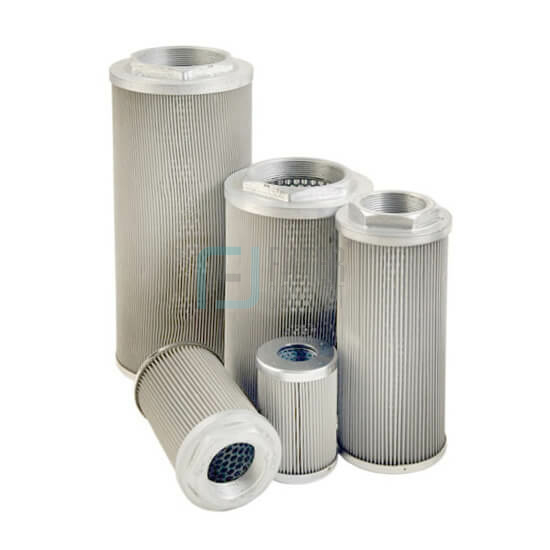
In any machinery or engine system, lubrication plays a vital role in reducing friction, minimizing wear, and ensuring smooth operation. However, the effectiveness of lubrication depends largely on the cleanliness of the oil being used. This is where a Lube Oil Filter becomes essential. Though often overlooked, it is a critical component that protects engines and equipment from harmful contaminants and extends their operational life.
What is a Lube Oil Filter?
A Lube Oil Filter is a device designed to remove impurities such as dirt, metal particles, sludge, and other contaminants from lubricating oil. Over time, oil collects these unwanted particles as it circulates through engine components. If not filtered properly, these contaminants can cause damage, reduce efficiency, and lead to costly repairs.
By continuously cleaning the oil, the filter ensures that only pure lubricant flows through the engine, maintaining optimal performance.
Why is a Lube Oil Filter Important?
The importance of a Lube Oil Filter cannot be overstated. Engines and industrial machines operate under high temperatures and pressures, making them susceptible to contamination. Even microscopic particles can lead to abrasion and wear.
A high-quality filter helps in:
- Protecting engine components from premature wear
- Improving efficiency by maintaining clean oil flow
- Reducing maintenance costs by preventing breakdowns
- Enhancing equipment lifespan through consistent performance
Without proper filtration, even the best lubricants can fail to deliver the desired results.
How Does a Lube Oil Filter Work?
The working mechanism of a Lube Oil Filter is straightforward yet highly effective. As oil circulates through the system, it passes through the filter media, which traps contaminants while allowing clean oil to flow back into the engine.
Most filters use materials like cellulose, synthetic fibers, or a blend of both. These materials are designed to capture particles of varying sizes, ensuring comprehensive filtration. Advanced filters may also include multi-layered media for enhanced efficiency.
Types of Lube Oil Filters
There are several types of Lube Oil Filter options available, each suited for different applications:
1. Mechanical Filters
These filters physically trap contaminants using filter media. They are widely used in automotive and industrial systems.
2. Magnetic Filters
Designed to capture metallic particles, magnetic filters are often used alongside mechanical filters for added protection.
3. Cartridge Filters
These are replaceable filter elements housed in a casing. They are easy to maintain and commonly used in industrial setups.
4. Spin-On Filters
Popular in automotive applications, spin-on filters are compact and easy to replace.
Choosing the right type depends on the system requirements and operating conditions.
Applications of Lube Oil Filters
The versatility of a Lube Oil Filter makes it indispensable across various sectors:
- Automotive engines for cars, trucks, and motorcycles
- Industrial machinery such as compressors and turbines
- Marine engines where reliability is crucial
- Power generation equipment for uninterrupted operation
In all these applications, maintaining oil cleanliness is key to achieving optimal performance.
Tips for Choosing the Right Lube Oil Filter
Selecting the right Lube Oil Filter is essential for effective filtration. Consider the following factors:
- Filtration efficiency and particle size rating
- Compatibility with your equipment
- Operating conditions such as temperature and pressure
- Durability and material quality
Investing in a reliable filter ensures better protection and long-term savings.
Conclusion
A Lube Oil Filter is more than just a maintenance component—it is a safeguard for your engine and equipment. By removing harmful contaminants, it ensures smooth operation, reduces wear, and extends the life of machinery. Whether in automotive, industrial, or marine applications, choosing the right filter can make a significant difference in performance and reliability.
