The construction industry is evolving rapidly, driven by the demand for faster project delivery, cost efficiency, and sustainable building solutions. Among the innovations reshaping modern construction, lightweight cement wall panels have emerged as a preferred alternative to traditional brick and block systems. These panels offer superior performance, ease of installation, and long-term value, making them an ideal choice for residential, commercial, and industrial projects.
In this guest post, we explore what lightweight cement wall panels are, their key benefits, applications, and why they are becoming a standard solution in contemporary building design.
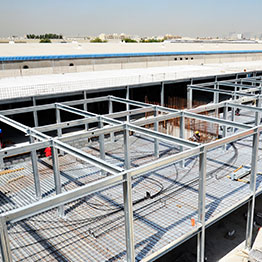
What Are Weight Cement Wall Panels?
Lightweight cement wall panels are prefabricated wall systems manufactured using a blend of cement, fillers, and lightweight core materials. Unlike conventional masonry walls, these panels are factory-produced under controlled conditions, ensuring consistent quality and precision.
Their reduced weight compared to traditional concrete or brick walls allows for easier handling, quicker installation, and lower structural load. Despite being lightweight, these panels deliver impressive strength, durability, and resistance to environmental factors.
Key Advantages of Lightweight Cement Wall Panels
1. Faster Construction Time
One of the biggest advantages of lightweight cement wall panels is speed. Since the panels are prefabricated and ready to install, construction timelines are significantly reduced. This makes them ideal for projects with tight schedules, such as commercial buildings, modular housing, and large-scale developments.
2. Reduced Structural Load
Because these panels weigh much less than traditional masonry, they reduce the dead load on the building structure. This can lead to savings in foundation and structural costs, especially in high-rise and modular construction projects.
3. Excellent Thermal and Acoustic Performance
Lightweight cement wall panels provide effective thermal insulation, helping to maintain indoor temperature and reduce energy consumption. They also offer strong sound insulation, making them suitable for residential buildings, offices, hotels, and healthcare facilities.
4. Fire and Moisture Resistance
These panels are non-combustible and offer high fire resistance, enhancing overall building safety. Additionally, they resist moisture and humidity, preventing issues such as mold growth and wall deterioration.
5. Smooth Finish and Design Flexibility
Lightweight cement wall panels come with a smooth surface that requires minimal finishing. They can be painted, tiled, or clad easily, giving architects and designers greater creative flexibility.
Applications Across Multiple Sectors
The versatility of lightweight cement wall panels makes them suitable for a wide range of construction applications:
- Residential buildings – villas, apartments, and housing projects
- Commercial spaces – offices, retail outlets, and shopping centers
- Industrial facilities – warehouses, factories, and utility buildings
- Healthcare and education – hospitals, clinics, schools, and universities
- Modular and prefab structures – labor accommodations, site offices, and temporary buildings
Their adaptability to both load-bearing and non-load-bearing applications further increases their appeal.
Sustainability and Environmental Benefits
Sustainability is a key focus in modern construction, and lightweight cement wall panels contribute positively to this area. Their manufacturing process uses fewer raw materials compared to traditional bricks, and the reduced weight lowers transportation-related emissions.
Faster installation also means less on-site waste, reduced water usage, and lower energy consumption during construction. These factors make lightweight cement wall panels an eco-friendly solution aligned with green building standards.
Cost Efficiency Over the Project Lifecycle
While the initial material cost of lightweight cement wall panels may be comparable to conventional systems, the overall project cost is often lower. Savings are achieved through:
- Reduced labor requirements
- Faster project completion
- Lower foundation and structural costs
- Minimal maintenance over time
These long-term financial benefits make them a smart investment for developers and contractors.
Why Builders Are Switching to Light-Weight Cement Wall Panels
Builders and developers worldwide are adopting lightweight cement wall panels because they address common construction challenges. Traditional brickwork is labor-intensive, time-consuming, and prone to inconsistencies. In contrast, wall panels offer predictable performance, uniform quality, and faster execution.
In regions with labor shortages or high construction costs, these panels provide a practical and scalable solution without compromising on strength or safety.
Conclusion
As construction demands continue to grow, innovative materials like lightweight cement wall panels are redefining how buildings are designed and constructed. Their combination of strength, efficiency, sustainability, and design flexibility makes them an ideal alternative to conventional wall systems.
Whether for residential housing, commercial developments, or modular structures, lightweight cement wall panels deliver long-term value and performance. For builders, architects, and developers looking to future-proof their projects, these panels represent a smarter, faster, and more sustainable way forward.
