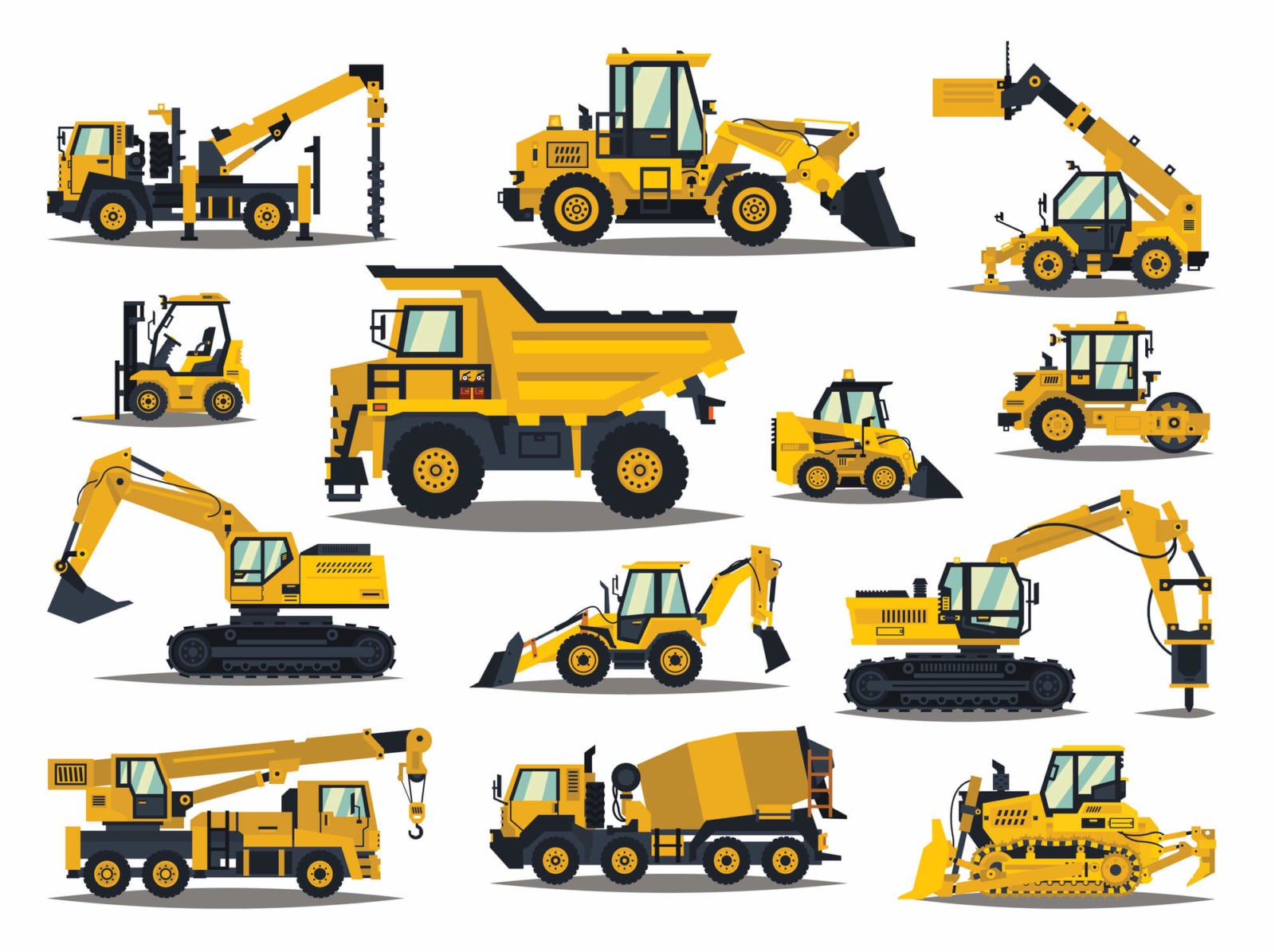
In modern construction and industrial development, productivity, safety, and efficiency depend heavily on the right job site equipment. Every construction project whether it involves residential buildings, commercial structures, or large infrastructure development requires reliable tools and machinery to ensure smooth operations on-site.
Job site equipment includes a wide range of machines, tools, and support systems designed to handle tough working conditions. From earthmoving machinery and lifting tools to safety systems and temporary site setups, these assets are essential for keeping projects on schedule and within budget.
As construction demand continues to grow globally, companies are increasingly relying on rental and supply partners to access high-quality job site equipment without the high cost of ownership.
What Is Job Site Equipment?
Job site equipment refers to all tools, machinery, and support systems used in construction, infrastructure, mining, and industrial projects. These tools are built for heavy-duty performance and are designed to operate in challenging environments such as dust, vibration, extreme temperatures, and rough terrain.
Common examples include:
Excavators and loaders
Generators and compressors
Scaffolding systems
Lighting towers
Compaction equipment
Safety barriers and fencing
Material handling tools
Temporary office containers
Lifting and hoisting equipment
These tools are essential for completing tasks efficiently while maintaining safety standards on-site.
Importance of Job Site Equipment in Construction
Proper job site equipment plays a critical role in the success of any construction project. Without it, tasks become slower, more expensive, and less safe.
Improved Productivity
Heavy machinery and specialized tools allow workers to complete tasks faster, reducing manual effort and improving overall efficiency.
Enhanced Safety
Modern job site equipment is designed with safety features that reduce workplace accidents and protect workers in hazardous environments.
Cost Efficiency
Using the right equipment reduces labor costs, minimizes delays, and prevents expensive rework caused by inefficient tools.
Project Flexibility
With the right equipment available, contractors can handle multiple tasks such as digging, lifting, grading, and transporting materials without delays.
Types of Job Site Equipment
Job site equipment can be divided into several major categories depending on its function and application.
Earthmoving Equipment
Earthmoving machines are essential for preparing land and handling large volumes of soil and materials.
Common machines include:
Excavators
Bulldozers
Backhoe loaders
Skid steer loaders
Wheel loaders
These machines are used in excavation, grading, trenching, and site preparation tasks.
Lifting and Material Handling Equipment
This category includes machines used to lift, move, and place heavy materials on-site.
Examples include:
Cranes (mobile and tower cranes)
Forklifts
Telehandlers
Hoists
Winches
They are widely used in construction, logistics, and industrial operations.
Power and Energy Equipment
Job sites require reliable power sources, especially in remote areas.
Common equipment includes:
Diesel generators
Air compressors
Power distribution panels
Welding machines
These systems ensure uninterrupted work even in off-grid locations.
Safety and Site Protection Equipment
Safety is a top priority on every job site. This equipment ensures worker protection and site control.
Includes:
Temporary fencing
Barricades
Warning signs
Safety nets
PPE (personal protective equipment)
These tools help reduce accidents and maintain compliance with safety regulations.
Ground Support and Construction Tools
These tools support core construction activities such as concrete work, compaction, and finishing.
Examples:
Concrete mixers
Compactors and rollers
Jackhammers
Scaffolding systems
Cutting tools
They are essential for structural development and finishing work.
Benefits of Renting Job Site Equipment
Many construction companies prefer renting job site equipment instead of purchasing it. This approach offers several advantages.
Lower Investment Costs
Renting eliminates the need for large upfront capital investment in expensive machinery.
Access to Modern Equipment
Rental companies often provide updated, well-maintained machines with the latest technology.
Reduced Maintenance Responsibility
Maintenance and repairs are usually handled by the rental provider, reducing downtime and repair costs.
Flexibility for Different Projects
Contractors can choose different equipment for each project based on specific needs without long-term ownership.
Challenges in Managing Job Site Equipment
While essential, job site equipment also comes with challenges that must be managed properly.
Maintenance Requirements
Heavy machinery requires regular servicing to ensure performance and safety.
Operator Training
Improper use of equipment can lead to accidents or damage, so trained operators are essential.
Transportation and Logistics
Large equipment must be transported safely to and from job sites, which can increase costs.
Equipment Downtime
Breakdowns or delays in maintenance can impact project timelines significantly.
Choosing the Right Job Site Equipment
Selecting the right equipment is crucial for project success. Contractors should consider:
Project Size
Large infrastructure projects require heavy-duty machinery, while smaller jobs may need compact equipment.
Terrain and Site Conditions
Rough or uneven terrain may require specialized machines with better stability and traction.
Equipment Efficiency
Fuel efficiency, speed, and load capacity should be evaluated before selection.
Safety Features
Modern equipment should comply with industry safety standards and regulations.
Availability of Support Services
Reliable suppliers provide maintenance, spare parts, and technical support when needed.
Growing Demand for Job Site Equipment
The global construction industry continues to expand due to urbanization, infrastructure development, and industrial growth. This has significantly increased the demand for reliable job site equipment.
Modern contractors focus on:
Faster project delivery
Reduced operational costs
Safer working environments
Sustainable construction practices
Equipment rental solutions
As a result, rental-based equipment supply models are becoming increasingly popular worldwide.
Reliable Equipment Solutions for Construction Projects
Choosing a trusted supplier is essential for ensuring smooth operations on any job site. Reliable partners provide high-quality machinery, technical support, and timely equipment availability to keep projects running efficiently.
For contractors and businesses looking for dependable construction and industrial solutions, Partner Rentals offers job site equipment rental and support services designed for construction, infrastructure, and industrial projects.
Conclusion
Job site equipment is the backbone of every construction and infrastructure project. From earthmoving machines and lifting systems to safety tools and power equipment, these resources ensure that projects are completed safely, efficiently, and on time.
As construction demands continue to grow, the importance of reliable and modern job site equipment becomes even more critical. Companies that invest in the right tools—or choose trusted rental partners—gain a strong advantage in productivity, cost control, and project success.
In today’s fast-moving construction industry, having the right job site equipment is not just an option—it is a necessity for achieving consistent and professional results.
