When choosing new flooring, price is often one of the first things homeowners look at. Vinyl flooring and tile are two common choices, but they have different prices, installation needs, and long-term costs. Vinyl is often seen as a budget-friendly option, while tile can cost more depending on the type of material and the work needed to install it. Still, the cheapest option is not always the best choice for every room. Understanding the costs and benefits of both can make the decision much easier.
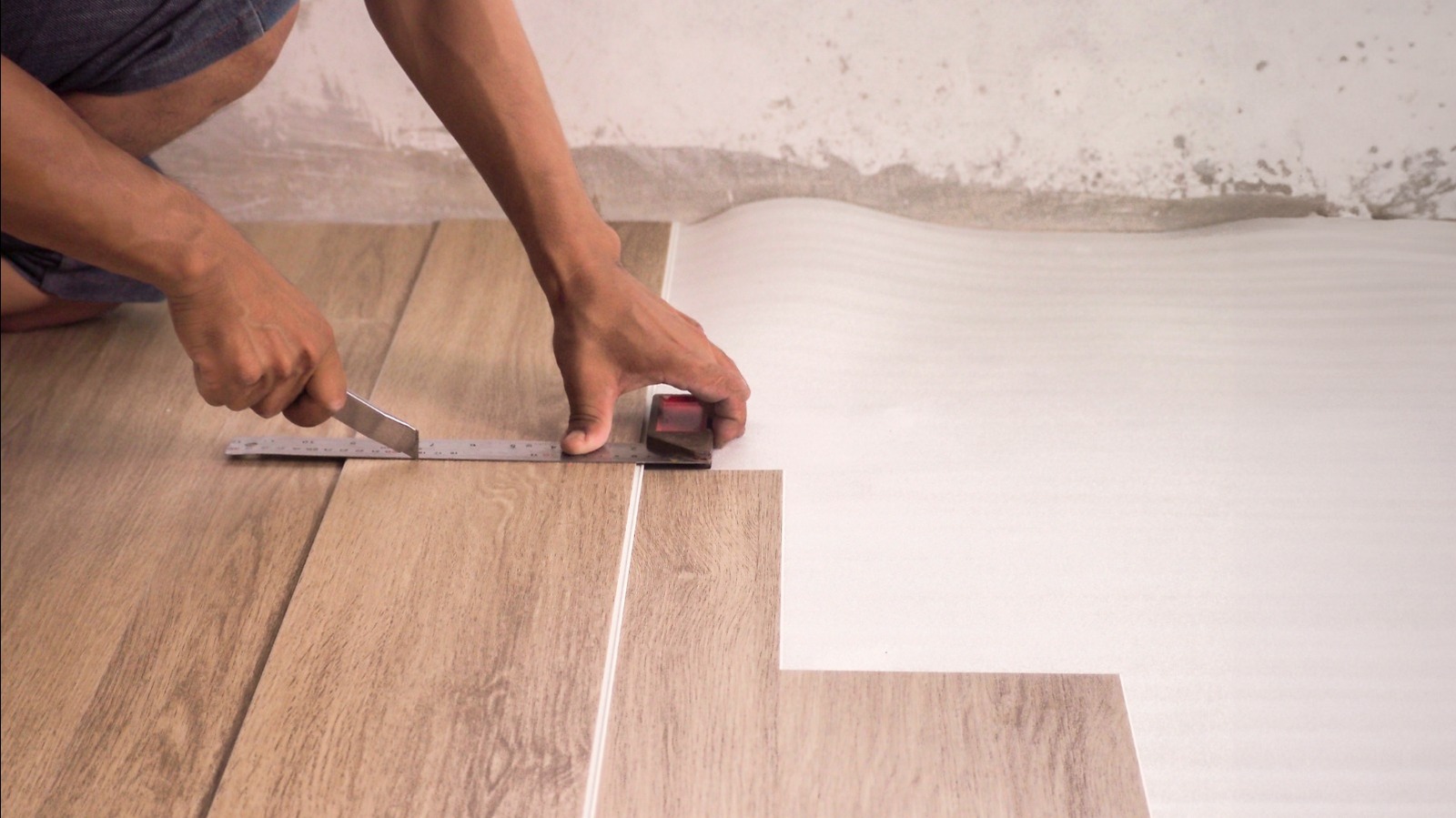
In most cases, vinyl flooring is cheaper than tiles when you compare both the material and installation costs. Vinyl flooring can be purchased in sheets, planks, or tiles, with many options available at reasonable prices. It is also lighter and easier to cut, which can make installation faster. Tile usually takes more time to install because each piece needs to be measured, cut, placed, and set properly. The final price depends on the product, room size, floor condition, and labor rates in your area.
For homeowners planning a flooring project, professional help can also affect the total cost. Services such as Vinyl Installation Services in Kellogg ID can be useful when the floor needs proper preparation and accurate installation. A good installation can help prevent problems such as loose planks, uneven areas, gaps, or damaged edges. While installing flooring yourself may reduce labor costs, professional installation can be worth considering when the room has an uneven subfloor or requires detailed preparation.
Vinyl Flooring Cost
Vinyl flooring is available in several forms, including sheet vinyl, luxury vinyl plank, and luxury vinyl tile. The price can vary greatly between these options. Basic sheet vinyl is usually one of the lower-cost flooring choices. Luxury vinyl products generally cost more, but they can provide a more realistic wood or stone appearance and better resistance to everyday wear.
One reason vinyl can help keep a project within budget is the installation process. Many vinyl planks are designed with click-lock edges, allowing them to fit together without nails or complicated tools. Some products can also be installed over suitable existing floors after the surface has been properly prepared. This may reduce removal and preparation costs in some projects.
Vinyl is also fairly easy to maintain. Regular sweeping, vacuuming, and occasional damp mopping are normally enough to keep the surface clean. Many modern vinyl floors are made to handle moisture, making them useful for areas such as kitchens, laundry rooms, and bathrooms. However, homeowners should always check the manufacturer’s instructions before using vinyl in areas that receive a lot of water.
Tile Flooring Cost
Tile flooring includes materials such as ceramic, porcelain, and natural stone. Ceramic and porcelain are among the most common choices for residential floors. Their prices can range from affordable to quite expensive, depending on the style, size, thickness, finish, and quality.
The material is only part of the total tile cost. Installation can add a significant amount because tile usually requires more preparation and labor. The floor may need to be leveled before installation, and the installer must carefully place each tile to keep the lines straight. Adhesive, grout, spacers, cutting, sealing, and other supplies can also add to the final bill.
Tile can be a strong long-term flooring choice when it is installed correctly. Porcelain and ceramic tile are hard surfaces that can handle heavy foot traffic. They are also resistant to moisture, which is one reason tile remains popular in bathrooms, entryways, and kitchens. However, hard tile can feel cold and may be less comfortable underfoot than vinyl.
Which Option Has Lower Installation Costs?
Installation is one of the biggest differences between vinyl and tile. Vinyl planks and tiles generally require less time to install than traditional tile. Depending on the product, they may be placed over a properly prepared subfloor without the same level of work required for ceramic or porcelain tile.
Tile installation can take longer because the installer has to plan the layout, prepare the surface, cut pieces, apply adhesive, set the tiles, and allow the materials to cure. Grout is then added between the tiles. If the old flooring needs to be removed or the subfloor needs repairs, labor costs can increase further.
For this reason, vinyl is often the less expensive choice when a homeowner wants to keep both material and labor costs under control.
Is Vinyl Cheaper in the Long Run?
The answer depends on how the floor is used and how well it is maintained. Vinyl generally has a lower starting price, but its useful life can vary by product quality and household use. Higher-quality vinyl can last for many years when properly installed and cared for.
Tile can have a higher upfront cost, but it can also last for decades when installed correctly and maintained properly. Individual damaged tiles can often be removed and replaced without replacing the entire floor. This can be helpful when only a small section has been damaged.
However, long-term value is not only about lifespan. Homeowners should also consider comfort, cleaning, appearance, moisture exposure, and the type of room. A cheaper floor that does not suit the space may not provide good value.
Vinyl vs. Tile: Which Is Better for Different Rooms?
Vinyl can be a practical choice for bedrooms, living rooms, hallways, kitchens, and many other areas. Its softer feel can make it more comfortable for people who spend a lot of time standing. It also comes in many styles that can resemble hardwood, stone, or other flooring materials.
Tile works especially well in spaces where moisture and heavy use are major concerns. Bathrooms, mudrooms, kitchens, and entryways are common areas for tile. Porcelain tile, in particular, is known for its low water absorption and strong surface.
The best choice should match the room rather than simply focusing on the lowest price. A low-cost flooring material may not be suitable for an area with unusual moisture, heavy traffic, or special cleaning needs.
What Can Make Flooring More Expensive?
Several factors can change the final cost of either flooring type. Room size is an obvious one, but the condition of the existing floor can have an even bigger effect. If the subfloor is damaged, uneven, damp, or weak, it may need repairs before new flooring can be installed.
The shape of the room can also affect labor. A simple square room is usually easier to cover than a space with many corners, doorways, closets, or unusual angles. Removing old flooring can add to labor and disposal costs as well.
Homeowners should also account for trim, transitions between different flooring types, underlayment where required, adhesives, grout, and other installation materials. Getting a complete estimate before starting the project can help avoid unexpected expenses.
All Ways Roofing And Siding LLC is one company that homeowners may come across when researching home improvement and exterior services. While flooring is a separate part of a home project, choosing established local contractors and checking their experience, workmanship, and customer feedback can help homeowners make better decisions when planning wider property improvements.
How to Save Money on Flooring
There are several simple ways to control flooring costs. First, compare the total installed price rather than looking only at the material price. A flooring product that looks inexpensive at the store may cost much more once labor and preparation are included.
It can also help to choose a flooring style that is easy to install and does not require major changes to the existing floor. Buying the correct amount of material is important as well. Most projects need some extra material for cuts, mistakes, and future repairs, but buying far more than necessary can waste money.
Homeowners can also ask contractors for detailed estimates that separate materials, preparation, labor, and additional charges. This makes it easier to compare quotes and understand what is included.
For those considering professional help, Vinyl Installation Services in Kellogg ID may be worth looking into when accurate measurements, floor preparation, and proper installation are important. Professional installation can add to the upfront cost, but it may help reduce avoidable mistakes and future repair work.
Final Thoughts
So, is vinyl flooring cheaper than tiles? In many residential projects, yes. Vinyl usually has a lower material cost and can also be less expensive to install. It offers a wide range of styles, is easy to clean, and can work well in many parts of the home.
Tile, however, can be a better choice when durability, moisture resistance, and very long service life are the main priorities. Although the initial investment may be higher, properly installed tile can remain useful for many years.
The right choice ultimately depends on the room, budget, expected use, and the condition of the existing floor. Comparing the complete project cost rather than just the price per square foot is the best way to decide which flooring option offers the right value for your home.
