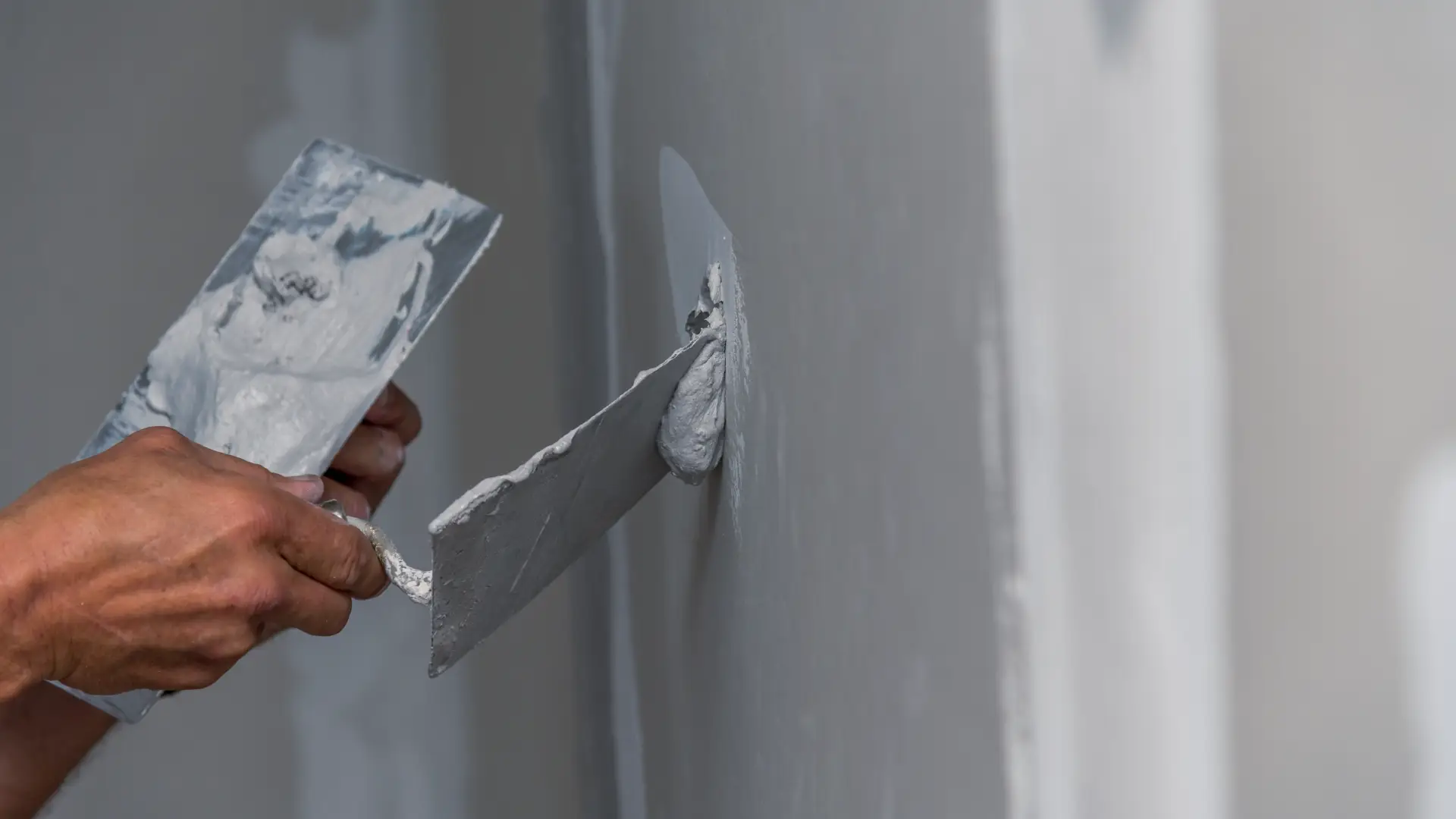
Stucco is one of the most durable and attractive exterior finishes used on homes and commercial buildings. It gives a property a clean appearance while protecting it from rain, wind, heat, and changing weather conditions. Although stucco is known for its long life, it is not maintenance free. Over time, small problems can develop that affect both its appearance and its ability to protect your home.
The good news is that stucco usually gives clear warning signs before major damage occurs. Learning how to recognize these signs can help you avoid expensive repairs and protect your property’s structure.
This guide explains the most common signs that your stucco needs repair, why damage happens, and when it is time to contact a professional.
Why It Is Important to Repair Stucco Early
Many homeowners ignore small cracks or stains because they seem harmless. However, even minor damage can allow moisture to enter behind the stucco. Once water gets inside, it can affect the materials underneath and lead to much larger problems.
Repairing stucco early helps you:
- Prevent moisture damage
- Reduce repair costs
- Protect your home’s structure
- Improve curb appeal
- Extend the life of your exterior walls
Regular inspections are one of the easiest ways to keep your stucco in good condition.
Small Cracks Are Often the First Sign
Cracks are one of the most common signs of stucco damage.
Hairline cracks may appear as the home naturally settles or as temperatures change throughout the year. These small cracks are usually not a major concern if they are repaired promptly.
However, larger cracks deserve immediate attention.
Look for:
- Cracks wider than one-eighth inch
- Long horizontal cracks
- Stair-step cracks
- Deep cracks around windows and doors
- Cracks that continue to grow over time
Water can easily enter through these openings, causing hidden damage behind the surface.
Discoloration Can Mean Moisture Problems
Healthy stucco should have an even color across the wall.
Dark stains, yellow marks, or areas that stay wet long after rain often indicate moisture intrusion.
Possible causes include:
- Roof leaks
- Broken flashing
- Leaking gutters
- Poor drainage
- Plumbing leaks
Ignoring discoloration may allow moisture to spread further into the wall system.
Bulging or Uneven Stucco Should Not Be Ignored
Stucco should remain flat against the wall.
If parts of the surface begin to bulge or appear uneven, water may have weakened the material underneath.
Bulging often means:
- Moisture is trapped behind the stucco
- The stucco has separated from the wall
- Materials beneath the surface are deteriorating
These issues usually require professional repairs.
Soft Areas Can Signal Hidden Damage
A properly installed stucco surface should feel solid.
If you gently press on an area and notice movement or softness, moisture may have damaged the wall beneath.
Soft spots often indicate:
- Wood rot
- Water damaged sheathing
- Mold growth
- Loose stucco
These problems should be repaired before they become more severe.
Chipping and Crumbling Stucco
As stucco ages, small sections may begin breaking away.
Common causes include:
- Years of weather exposure
- Water intrusion
- Poor installation
- Physical impacts
- Freeze and thaw cycles
Replacing damaged sections early helps prevent larger repairs later.
Mold and Mildew Around Stucco
Green, black, or dark stains around stucco often indicate excess moisture.
Mold may appear:
- Near the bottom of walls
- Around windows
- Under roof edges
- Close to downspouts
Cleaning the surface alone will not solve the problem if water continues entering behind the stucco.
Peeling Paint on Stucco
Paint should bond well to healthy stucco.
If paint starts peeling, bubbling, or flaking, moisture could be trapped underneath.
Instead of simply repainting, the underlying cause should be repaired first.
White Powder on Stucco
A white powdery material called efflorescence appears when moisture carries natural minerals through the stucco.
Although the residue itself is not harmful, it indicates that water is moving through the wall.
Repeated efflorescence often means moisture problems need professional attention.
Water Damage Inside Your Home
Sometimes the first signs of stucco failure appear indoors.
Watch for:
- Water stains
- Peeling paint
- Damp drywall
- Mold growth
- Musty odors
These symptoms may point to exterior stucco problems allowing water inside.
Gaps Around Windows and Doors
Windows and doors are common places where stucco problems begin.
Inspect these areas for:
- Open gaps
- Missing caulk
- Cracked corners
- Water stains
Proper sealing helps prevent water intrusion around these openings.
Hollow Sounds Behind Stucco
Gently tapping on stucco can reveal hidden problems.
Healthy stucco usually sounds solid.
A hollow sound may mean the stucco has separated from the wall underneath.
Professional repairs can restore these areas before larger sections become loose.
Damage Near Gutters and Rooflines
Water often causes damage where roofs meet exterior walls.
Check for:
- Overflowing gutters
- Missing flashing
- Water stains
- Cracks near roof edges
Good drainage helps protect stucco from unnecessary moisture exposure.
Foundation Movement Can Affect Stucco
If your foundation shifts slightly, the stucco may crack as the walls move.
When foundation cracks appear along with new stucco cracks, it is wise to have both inspected.
Early repairs can prevent additional structural damage.
Weather Can Speed Up Stucco Wear
Stucco is constantly exposed to changing weather.
Heavy rain, freezing temperatures, strong sunlight, and humidity all contribute to gradual wear.
Homes exposed to harsh weather should receive regular exterior inspections.
What Happens If You Delay Repairs?
Ignoring damaged stucco can lead to expensive problems.
Possible consequences include:
- Water intrusion
- Mold growth
- Wood rot
- Interior wall damage
- Higher repair costs
- Reduced home value
Small repairs today are often much less expensive than major restoration projects later.
Can Homeowners Repair Stucco?
Minor surface cracks can sometimes be repaired with products designed for stucco.
However, larger cracks, moisture damage, bulging areas, or loose stucco usually require professional repair.
Without finding the true source of the problem, repairs may only provide a temporary solution.
How Professionals Inspect Stucco
Professional stucco inspections usually include:
- Visual examination
- Moisture testing
- Inspection around windows and doors
- Flashing evaluation
- Surface condition assessment
- Identification of hidden moisture damage
A complete inspection helps determine whether repairs are cosmetic or structural.
Simple Ways to Extend the Life of Stucco
Good maintenance helps stucco last for many years.
Helpful tips include:
- Inspect your exterior twice each year.
- Repair cracks promptly.
- Keep gutters clean.
- Direct water away from the foundation.
- Replace damaged caulking.
- Trim shrubs away from exterior walls.
- Wash dirt from stucco using gentle cleaning methods.
These simple habits reduce the risk of long-term damage.
When Should You Contact a Professional?
You should schedule an inspection if you notice:
- Growing cracks
- Water stains
- Bulging walls
- Loose stucco
- Soft spots
- Mold growth
- Interior moisture damage
Prompt repairs help prevent more extensive structural issues and higher repair costs.
Choosing the Right Stucco Repair Professional
Not every exterior contractor has experience working with stucco systems. Look for professionals who understand how moisture, flashing, drainage, and proper repair methods work together.
If you are searching for stucco contractors philadelphia pa, choose a company with experience inspecting both visible and hidden stucco damage. An experienced contractor will identify the root cause of the problem instead of simply covering cracks.
Homeowners looking for dependable stucco repair philadelphia pa services should work with professionals who use quality materials and proven repair techniques. Proper repairs help restore your home’s appearance while protecting it from future moisture damage.
https://alstonstucco.us/stucco-installation-philadelphia/
Final Thoughts
Stucco is a durable exterior finish, but it still requires regular care. Small cracks, stains, soft spots, peeling paint, bulging areas, and moisture signs should never be ignored. Identifying these warning signs early allows you to repair damage before it becomes a larger and more expensive problem.
Regular inspections and timely maintenance help your stucco remain strong, attractive, and weather resistant for many years.
Quality Stucco Repair from Alston Stucco & Remediation
If you have noticed cracks, water stains, or other signs of stucco damage, Alston Stucco & Remediation is ready to help. Their experienced team carefully inspects stucco systems, identifies the source of the problem, and recommends repair solutions that fit your property’s needs.
Whether you need minor repairs or complete remediation, Alston Stucco & Remediation is committed to quality workmanship and lasting results. Addressing stucco issues early helps protect your investment and keeps your home looking its best for years to come.
