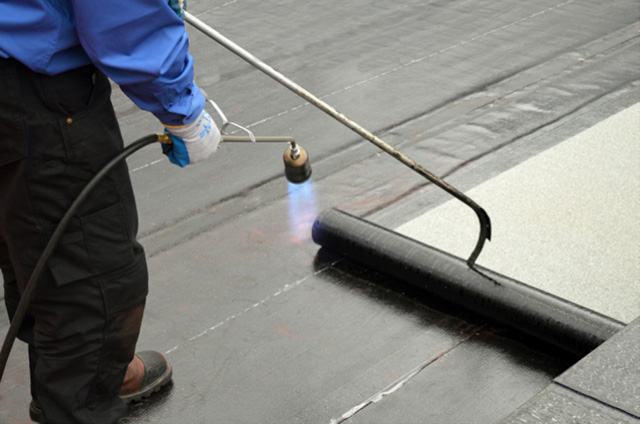
Choosing the right roofing material is one of the most important decisions when installing or replacing a flat or low-slope roof. Torch on roofing has become a popular option because it offers strong protection against water, weather, and daily wear. However, not all torch on roofing materials are the same. Understanding the different options can help property owners make a better decision and get the best value from their investment.
In this guide, we will explain how torch on roofing works, the materials available, and the factors you should consider before choosing the right system for your property.
Understanding Torch On Roofing
Torch on roofing is a roofing system mainly used on flat and low-slope roofs. It consists of layers of modified bitumen membranes that are heated with a roofing torch during installation. The heat helps the material bond securely to the roof surface, creating a waterproof barrier.
This roofing system is known for its durability, weather resistance, and ability to handle harsh climate conditions. It is commonly used on residential, commercial, and industrial buildings where reliable waterproofing is needed.
Why Material Selection Matters
The quality and type of materials used in a torch on roofing system directly affect its lifespan and performance. Choosing the wrong materials may lead to leaks, cracks, or early roof failure.
A well-selected roofing system can provide:
- Better protection against water damage
- Improved resistance to temperature changes
- Longer service life
- Reduced maintenance costs
- Better overall roof performance
When planning a roofing project, material selection should never be rushed.
Types of Torch On Roofing Membranes
When exploring options for Torch On Roofing In Saskatoon Canada, it is important to understand the different membrane types available. Each material offers specific benefits depending on climate conditions and building requirements.
APP Modified Bitumen
APP stands for Atactic Polypropylene. This membrane contains plastic-based modifiers that improve flexibility and weather resistance.
Benefits include:
- Excellent UV resistance
- Strong waterproofing performance
- Durable surface protection
- Good performance in warm climates
APP membranes are often chosen for their ability to withstand prolonged sunlight exposure.
SBS Modified Bitumen
SBS stands for Styrene Butadiene Styrene. This material contains rubber-like modifiers that increase flexibility.
Benefits include:
- Better flexibility during cold weather
- Resistance to cracking
- Strong adhesion
- Excellent durability
SBS membranes are often preferred in regions with significant temperature changes because they can expand and contract without damage.
Consider the Climate Conditions
Local weather plays a major role in selecting the right torch on roofing material. Areas with heavy snowfall, freezing temperatures, or strong sun exposure require materials designed to handle those conditions.
For colder climates, SBS membranes are often recommended because they remain flexible in low temperatures. In areas with higher UV exposure, APP membranes may offer additional protection against sun damage.
Before selecting a roofing system, property owners should evaluate the weather conditions their roof will face throughout the year.
Many property owners researching roofing options often come across companies such as Dna Roofing Services while comparing material recommendations and installation methods. Industry professionals generally emphasize that selecting the correct roofing membrane for local weather conditions is just as important as choosing an experienced installer. This helps ensure long-term performance and fewer roofing issues over time.
Evaluate Membrane Thickness
Membrane thickness is another important factor when choosing torch on roofing materials.
Thicker membranes generally provide:
- Better puncture resistance
- Increased durability
- Longer lifespan
- Improved waterproofing protection
While thicker materials may have a higher upfront cost, they often provide greater value over time because they can withstand more wear and tear.
Property owners should discuss available thickness options with roofing professionals to determine which level of protection best suits their building.
Choose Quality Reinforcement Materials
Torch on roofing membranes often contain reinforcement layers made from fiberglass or polyester.
Fiberglass Reinforcement
Fiberglass offers:
- Dimensional stability
- Good strength
- Resistance to moisture
However, it may have less flexibility compared to polyester.
Polyester Reinforcement
Polyester provides:
- Better flexibility
- Higher tear resistance
- Improved durability
Many roofing professionals prefer polyester-reinforced membranes because they perform well under changing weather conditions.
Understanding the reinforcement layer can help property owners choose a stronger and more reliable roofing system.
Consider Insulation Compatibility
A roofing system is more than just the waterproof membrane. Proper insulation also plays an important role.
The selected roofing materials should work effectively with the insulation system beneath them. Good insulation can help:
- Improve energy efficiency
- Reduce heating and cooling costs
- Increase indoor comfort
- Protect the roofing structure
Common insulation options include polyisocyanurate boards and rigid foam insulation. Compatibility between insulation and roofing materials should always be verified before installation.
Review Fire and Safety Ratings
Safety should always be considered when selecting roofing materials.
Many torch on roofing products are tested for:
- Fire resistance
- Wind uplift resistance
- Impact resistance
- Weather performance
Choosing materials that meet recognized safety standards can provide added peace of mind and long-term protection.
Property owners should ask roofing contractors about product certifications and performance ratings before making a final decision.
Balance Cost and Long-Term Value
Price is often a major factor when choosing roofing materials. While lower-cost options may seem attractive initially, they may not provide the same lifespan or durability as higher-quality products.
When comparing materials, consider:
- Expected lifespan
- Maintenance requirements
- Repair costs
- Energy efficiency benefits
- Warranty coverage
Looking at the total long-term value often leads to better roofing decisions than focusing only on the initial installation cost.
Work with Experienced Roofing Professionals
Even the best roofing materials can fail if installed incorrectly. Proper installation is critical for achieving the full benefits of a torch on roofing system.
Professional roofers can help:
- Assess roof conditions
- Recommend suitable materials
- Ensure proper installation
- Identify potential issues before they become major problems
Property owners searching for reliable information about Torch On Roofing In Saskatoon Canada should always pay attention to both material quality and installation standards. A well-designed roofing system combines the right products with skilled workmanship to achieve long-lasting results.
Conclusion
Choosing the right materials for torch on roofing requires careful consideration of membrane type, climate conditions, thickness, reinforcement materials, insulation compatibility, and safety ratings. Every building has unique requirements, and selecting the proper materials can significantly improve roof performance and lifespan.
By understanding the available options and focusing on long-term value rather than short-term savings, property owners can make informed roofing decisions. A properly selected and professionally installed torch on roofing system provides reliable protection, durability, and peace of mind for many years.
