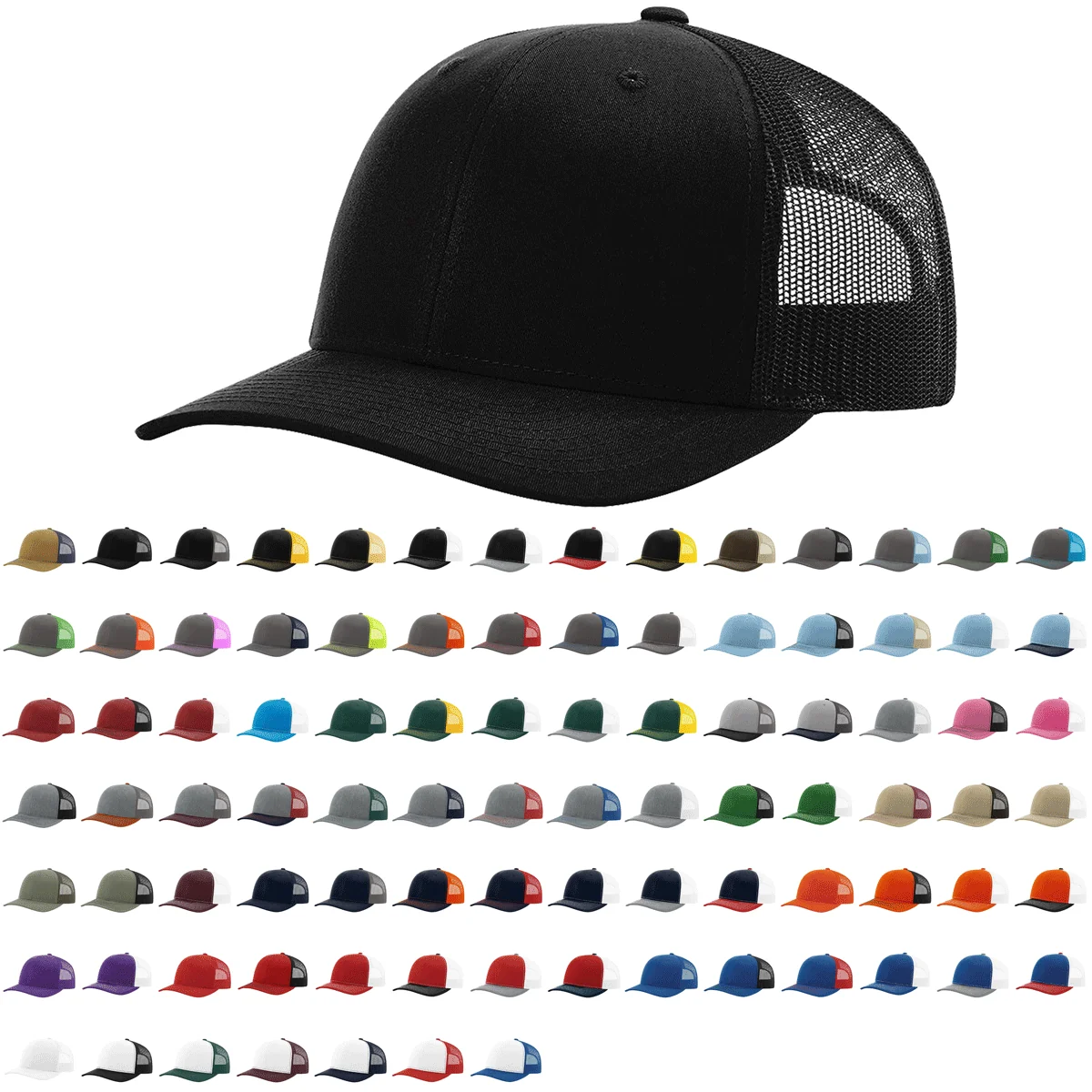
Choosing the right headwear collection can make a major difference for retailers, clothing stores, sports shops, outdoor businesses, and organizations that want products customers will actually wear. A well-planned hat collection should combine dependable construction, recognizable styling, useful features, and enough variety to serve different shoppers. Richardson hats have earned attention in the headwear market because they are associated with practical designs, comfortable fits, and styles that work across casual, outdoor, athletic, and workwear settings. For retailers, Wholesale Richardson Hats can provide an opportunity to create a balanced product selection that appeals to customers looking for everyday headwear as well as businesses searching for branded merchandise.
Understanding What Makes Richardson Hats Valuable
Before building a wholesale collection, retailers should understand why these hats can work across different markets. Richardson designs are commonly associated with structured caps, trucker-inspired silhouettes, athletic styles, and practical everyday headwear. Their versatility allows retailers to position the same general category in several ways depending on their customer base and merchandising strategy.
Everyday Versatility
A strong retail hat does not need to be limited to one activity. Customers may wear a cap while running errands, attending sporting events, spending time outdoors, working on projects, or relaxing with friends. This flexibility increases the number of situations in which a shopper may consider purchasing one. Retailers can use this broad appeal to create displays that focus on lifestyle rather than a single occasion.
Comfortable Wear Matters
Comfort can strongly influence repeat purchases. Customers usually want a hat that sits comfortably on the head, feels secure, and remains practical during extended wear. Adjustable closures can also help retailers serve shoppers with different fitting preferences. When selecting inventory, retailers should pay attention to construction, materials, closure types, and overall shape instead of focusing only on appearance.
Selecting Styles for Different Customer Groups
One of the most effective ways to develop a successful hat collection is to think about the different people who shop at the business. A sporting goods store may need athletic and outdoor-focused styles, while a fashion boutique may prefer contemporary colors and clean designs. A workwear retailer could benefit from rugged-looking caps that complement practical clothing.
Outdoor Customers
Outdoor shoppers often look for hats that provide useful coverage while fitting naturally into active lifestyles. Trucker-style caps, breathable materials, and practical colors can work well for hiking, fishing, camping, landscaping, and other outdoor activities. Retailers can strengthen this category by displaying hats alongside outdoor clothing and accessories.
Sports and Team Customers
Sports fans often want headwear that expresses an interest in a particular activity or group. A well-selected cap can become an easy addition to a sports outfit. Retailers can organize products around team colors, athletic themes, local events, or seasonal sports to make shopping more engaging.
Casual Fashion Customers
Not every hat purchase is based on performance. Many shoppers simply want an attractive accessory that completes a casual outfit. Neutral shades, classic profiles, and simple branding can appeal to customers who want something easy to wear with jeans, T-shirts, jackets, or everyday streetwear.
Building a Balanced Color Strategy
Color selection can influence how quickly a collection catches attention. Retailers should avoid filling their entire inventory with one shade while also avoiding an overly complicated selection that becomes difficult to manage. A combination of reliable neutrals and carefully chosen seasonal colors can provide a stronger balance.
Start With Reliable Neutrals
Black, navy, charcoal, gray, white, and natural shades can provide a dependable foundation. These colors are easy for customers to coordinate with existing wardrobes and can remain useful throughout different seasons. Neutral hats can also make strong choices for businesses that want understated branded merchandise.
Add Seasonal Interest
Once core colors are covered, retailers can introduce brighter or more distinctive options. Seasonal shades can make displays feel fresh and encourage existing customers to look at new arrivals. The goal is to add variety without allowing less predictable colors to dominate the inventory.
Using Hat Features to Improve Product Selection
Retailers should examine more than color and appearance when purchasing inventory. Small design features can change how a hat feels and how customers use it. Crown shape, front panel construction, ventilation, brim design, and closure systems can all influence purchasing decisions.
Structured and Unstructured Options
Structured caps generally provide a more defined shape, while unstructured styles can offer a softer and more relaxed appearance. Carrying both types allows retailers to reach customers with different style preferences. Product descriptions should explain these differences clearly so shoppers understand what they are buying.
Adjustable Closures
Adjustable closures can make hats more accessible to a broader range of customers. Snapback and other adjustable designs are especially useful in retail because shoppers can modify the fit. Retailers can highlight this feature when explaining product benefits.
Creating a Strong Custom Branding Opportunity
Hats can serve as more than fashion accessories. They can also become promotional products for companies, clubs, events, teams, restaurants, construction businesses, and community organizations. Retailers that understand this market can develop relationships with customers who need larger quantities for groups or marketing campaigns.
Focus on Clear Branding
A successful branded hat does not need an overly complicated design. A recognizable logo, simple lettering, or carefully selected emblem can often create a stronger result than a crowded graphic. The hat should remain attractive enough that people are comfortable wearing it beyond the original event or campaign.
Think About the End User
When creating branded headwear, businesses should consider who will wear it. A construction company may prefer practical colors and durable-looking designs, while a coffee shop might choose a more relaxed style. Matching the hat to the identity and audience of the organization can improve its usefulness.
Planning Inventory Around Seasons
Seasonal demand can affect hat sales significantly. Warmer months may increase interest in breathable and outdoor-friendly headwear, while cooler seasons can create opportunities for caps that complement jackets, sweatshirts, and casual layered clothing.
Prepare Before Demand Peaks
Retailers should avoid waiting until seasonal demand has already reached its highest point before refreshing inventory. Preparing displays and promotional campaigns ahead of time gives customers more opportunities to discover new styles.
Refresh Existing Displays
Even when the products have not changed dramatically, retailers can create fresh interest by changing how hats are displayed. New arrangements, seasonal signage, coordinated clothing displays, and featured styles can make existing inventory appear more relevant.
Improving Online Hat Sales
A strong online presentation can help retailers turn interest into purchases. Customers cannot physically touch a hat through a website, so product information needs to answer common questions about fit, materials, construction, color, and design.
Use Detailed Product Photography
Clear images should show the front, side, back, and important construction details. Customers should be able to see the crown shape, brim, closure, and overall proportions. Lifestyle photography can also demonstrate how a hat looks when worn.
Write Useful Product Descriptions
Descriptions should explain practical features rather than relying only on promotional language. Information about materials, fit, closure type, design, and intended use can help shoppers make more confident decisions.
Creating Attractive In-Store Displays
The way hats are presented can influence how customers interact with them. Instead of placing every cap together without organization, retailers can create sections based on lifestyle, color, activity, or design.
Group Products by Purpose
Outdoor, sports, workwear, and casual styles can each have their own visual area. This makes it easier for shoppers to identify products that match their needs and reduces the time required to search through inventory.
Use Height and Variation
Displays can become more attractive when hats are presented at different heights and angles. Featured styles can be positioned where customers naturally look first, while additional options can remain nearby for comparison.
Managing Wholesale Purchasing Carefully
Buying in larger quantities can create better opportunities for retailers, but inventory should still be planned carefully. Purchasing too many similar products can leave money tied up in slow-moving stock. A better approach is to identify reliable core styles and gradually test additional designs.
Monitor Sales Performance
Retailers should track which colors, profiles, and features sell most consistently. Sales information can guide future purchasing decisions and help businesses avoid repeating unsuccessful orders.
Maintain Product Variety
Variety remains important because different customers have different preferences. A collection that combines several profiles, colors, and practical features can create broader appeal without becoming unnecessarily large.
How Can Retailers Make Wholesale Richardson Hats More Profitable?
Retailers can improve profitability by selecting styles that match their customer base, controlling inventory carefully, presenting products effectively, and creating opportunities for repeat purchases. Wholesale Richardson Hats can become a strong part of a retail strategy when businesses treat hats as both useful accessories and opportunities for branding, seasonal merchandising, and lifestyle sales. Understanding customer preferences and reviewing sales performance regularly can help retailers maintain a collection that remains relevant instead of relying on random product selection.
FAQS
What types of customers buy Richardson hats?
Richardson hats can appeal to outdoor enthusiasts, sports fans, workers, casual shoppers, businesses, teams, clubs, and organizations. Their broad range of styles makes them suitable for several retail categories.
Why should retailers offer different hat styles?
Different customers have different preferences for fit, shape, color, and function. Offering multiple styles gives shoppers more opportunities to find something that matches their needs.
Are hats useful for business branding?
Yes, hats can be effective promotional products because customers can continue wearing them after an event or campaign. A simple and recognizable logo can turn a practical hat into a useful marketing item.
How should retailers choose hat colors?
Retailers should begin with dependable neutral colors and then add seasonal or customer-specific shades. Reviewing previous sales can help determine which colors deserve more inventory.
How can retailers improve hat sales online?
Retailers can use clear product photography, detailed descriptions, accurate feature information, and lifestyle images. Customers should have enough information to understand the hat’s appearance and practical qualities before ordering.
Conclusion
A successful hat collection requires more than purchasing popular designs. Retailers need to understand their customers, balance styles and colors, manage inventory, and create displays that make products easy to discover. Wholesale Richardson Hats can support this approach by giving businesses access to versatile headwear suitable for casual, outdoor, athletic, workwear, and promotional markets. Retailers that combine thoughtful purchasing with strong merchandising can create a collection that attracts new shoppers while encouraging repeat sales. For businesses ready to expand their selection, Shop Now and explore options from Star Hats & Embroidery for a more purposeful retail strategy.
