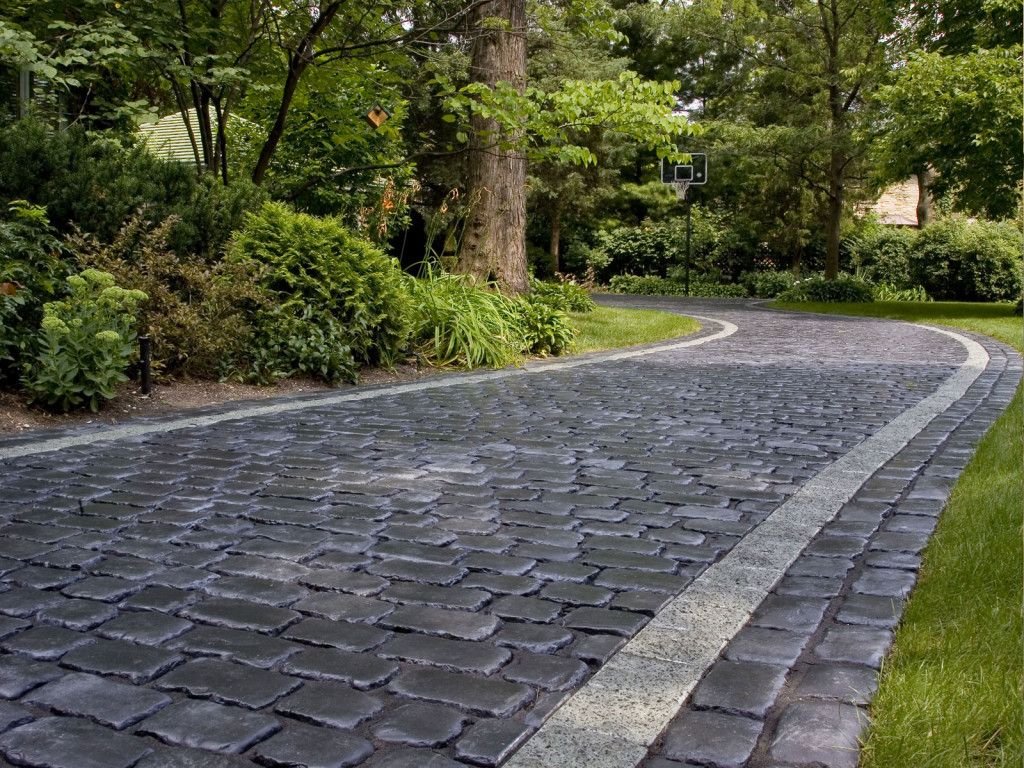
Urban infrastructure and residential landscapes rely on well-planned surfaces to support safety, mobility, and visual appeal. In a coastal city like San Mateo, paved areas must withstand daily traffic, shifting soil, and changing weather patterns while maintaining functionality over time. Understanding how a paving service works and why it matters can help property owners make informed decisions about durability, maintenance, and long-term value.
This article explores how paving projects influence residential and commercial environments, construction methods used in the region, and the role of planning in achieving reliable surfaces.
Understanding the Role of Paving Service in San Mateo
A Paving Service involves designing, preparing, and installing durable surfaces such as driveways, walkways, parking areas, and pathways. These installations must balance structural integrity with environmental factors unique to coastal California.
Local terrain conditions in San Mateo often include a mix of compact soil, slopes, and areas exposed to moisture from fog and rain. Proper paving helps prevent erosion, improves accessibility, and ensures surfaces remain stable under daily use.
From residential streets to commercial parking lots, paved surfaces support:
- Traffic flow and pedestrian safety
- Drainage and water management
- Property organization and accessibility
- Long-term structural stability
Why Surface Planning Matters in Urban Landscapes
Surface development is not simply about laying asphalt or concrete. It requires strategic planning based on soil condition, traffic load, and long-term maintenance expectations.
In San Mateo, planning includes:
Soil Assessment
Understanding the soil composition helps determine whether reinforcement layers are required before paving.
Drainage Design
Proper drainage prevents water pooling, which can weaken surfaces and create hazards.
Material Selection
Different paving materials perform differently depending on exposure to sun, rain, and frequent use.
Environmental Compatibility
Urban paving must align with local regulations, sustainability considerations, and property zoning.
Common Applications of Paving Service in San Mateo Properties
Paving projects appear in multiple environments across the city, each serving specific needs.
Residential Driveways and Walkways
Homeowners rely on durable driveways and paths to enhance access, safety, and overall property functionality.
Commercial Parking Areas
Businesses require strong, level surfaces capable of handling frequent vehicle movement.
Sidewalks and Entryways
Pedestrian-friendly surfaces improve accessibility and contribute to organized urban movement.
Outdoor Living Spaces
Patios and paved yards support recreation while minimizing soil displacement.
Construction Methods Used in Modern Paving Projects
The effectiveness of any paving service depends on the process used to prepare and install the surface.
Site Preparation
Clearing debris, grading the land, and ensuring proper slope prevent future instability.
Base Layer Installation
A stable foundation layer distributes weight and supports long-term durability.
Surface Application
Asphalt, concrete, or pavers are installed based on usage requirements and design goals.
Finishing and Sealing
Sealing protects the surface from weather damage and extends its lifespan.
Materials Used for Paving Projects
Selecting the right material affects maintenance, durability, and appearance.
Asphalt
Often used for driveways and roads due to flexibility and cost-effectiveness.
Concrete
Provides strong structural performance for heavy-load areas.
Interlocking Pavers
Common in patios and walkways for design flexibility and drainage benefits.
Stone and Decorative Surfaces
Used for aesthetic landscaping and low-traffic zones.
Environmental Considerations in San Mateo
Paving must account for regional environmental conditions. Coastal influence, moisture exposure, and seasonal temperature changes can affect surface longevity.
Key environmental considerations include:
- Water runoff management
- Heat reflection and absorption
- Soil movement and compaction
- Sustainable material use
Projects often focus on balancing durability with ecological responsibility to support long-term urban health.
How Maintenance Extends the Life of Paved Surfaces
Even high-quality installations require periodic care to remain effective.
Routine Inspections
Checking for cracks, uneven areas, or drainage issues helps prevent costly repairs.
Surface Cleaning
Removing debris reduces wear and improves appearance.
Seal Coating
Protective coatings shield asphalt and concrete from moisture and sun exposure.
Repairs and Resurfacing
Timely fixes maintain safety and prevent structural decline.
Safety and Accessibility Benefits
Properly installed paving contributes directly to public and private safety.
- Reduces tripping hazards
- Improves vehicle control and parking organization
- Supports accessibility for pedestrians and mobility devices
- Prevents water accumulation that may cause slips
Well-planned surfaces help create predictable, safe pathways for both residents and visitors.
Urban Growth and Infrastructure Development
As cities evolve, infrastructure must adapt to population changes and development trends. Paved surfaces play a central role in supporting transportation networks and property expansion.
In residential neighborhoods and commercial zones alike, reliable surfaces:
- Improve connectivity
- Support economic activity
- Enhance neighborhood organization
- Increase property usability
Projects like Paving Service in San Mateo, CA contribute to structured growth and improved urban planning.
Long-Term Value of Professional Surface Installation
When paving is planned and executed correctly, it contributes to the longevity and efficiency of a property. Durable surfaces reduce maintenance needs and create a more organized environment.
Property owners often notice improvements in:
- Functional outdoor space
- Traffic flow and organization
- Structural stability
- Visual consistency
Knowledgeable providers such as Gerardo Mariona focus on methods that align with local conditions, helping ensure surfaces remain dependable over time.
Challenges Commonly Seen in Paving Projects
Even with careful planning, paving projects must address several challenges.
Weather Impact
Moisture and temperature fluctuations can weaken surfaces.
Soil Movement
Ground shifting may create uneven areas if not properly stabilized.
Heavy Use
Frequent traffic accelerates wear, requiring reinforced construction.
Drainage Issues
Poor drainage can lead to cracks, potholes, and erosion.
Addressing these concerns during the planning stage helps create resilient surfaces.
Planning a Surface That Lasts
Successful paving begins with thoughtful design and realistic expectations.
Key planning considerations include:
- Intended use and load capacity
- Environmental exposure
- Maintenance capabilities
- Budget and timeline
Understanding these elements allows property owners to make decisions that support long-term performance rather than short-term fixes.
The Role of Technology in Modern Paving
Advancements in construction techniques have improved paving accuracy and efficiency.
Precision Grading Tools
Help create level foundations for stronger installations.
Advanced Materials
New mixes increase flexibility and durability.
Sustainable Practices
Recycling and eco-friendly options reduce environmental impact.
Data-Driven Planning
Site analysis tools improve decision-making and reduce errors.
These innovations continue to shape how paving projects are designed and implemented across San Mateo.
Future Trends in Paving and Surface Development
As urban needs evolve, paving strategies continue to change.
Expected trends include:
- Greater focus on drainage-friendly surfaces
- Integration with smart city infrastructure
- Emphasis on low-maintenance materials
- Expansion of pedestrian-friendly environments
These trends aim to balance durability, sustainability, and usability.
Conclusion
Paved surfaces influence daily life more than most people realize. From safe walkways to stable driveways and organized parking areas, surface planning shapes how properties function and grow.
In a city like San Mateo, careful preparation, material selection, and maintenance are essential for ensuring paved areas remain safe and durable. Understanding how paving works empowers property owners to make informed decisions that support long-term stability, accessibility, and environmental balance.
Frequently Asked Questions
1. What is included in a paving service?
It typically includes site preparation, base installation, surface application, and finishing processes designed for durability.
2. How long do paved surfaces last?
Lifespan depends on materials, traffic, maintenance, and environmental exposure.
3. Which material is best for residential paving?
The choice varies based on usage, climate, and maintenance preferences.
4. Why is drainage important in paving projects?
Proper drainage prevents water damage, erosion, and structural weakening.
5. How often should paved areas be inspected?
Routine inspections are recommended annually or after extreme weather events.
6. Can paving improve property safety?
Yes, stable surfaces reduce slips, trips, and vehicle hazards.
7. What causes cracks in paved surfaces?
Weather changes, soil movement, heavy traffic, and aging materials are common causes.
8. Are eco-friendly paving options available?
Many modern materials support sustainability and improved water management.
9. Do commercial and residential paving differ?
Yes, commercial areas often require stronger foundations due to heavier traffic.
10. How does planning affect paving results?
Proper planning ensures durability, cost efficiency, and long-term performance.
