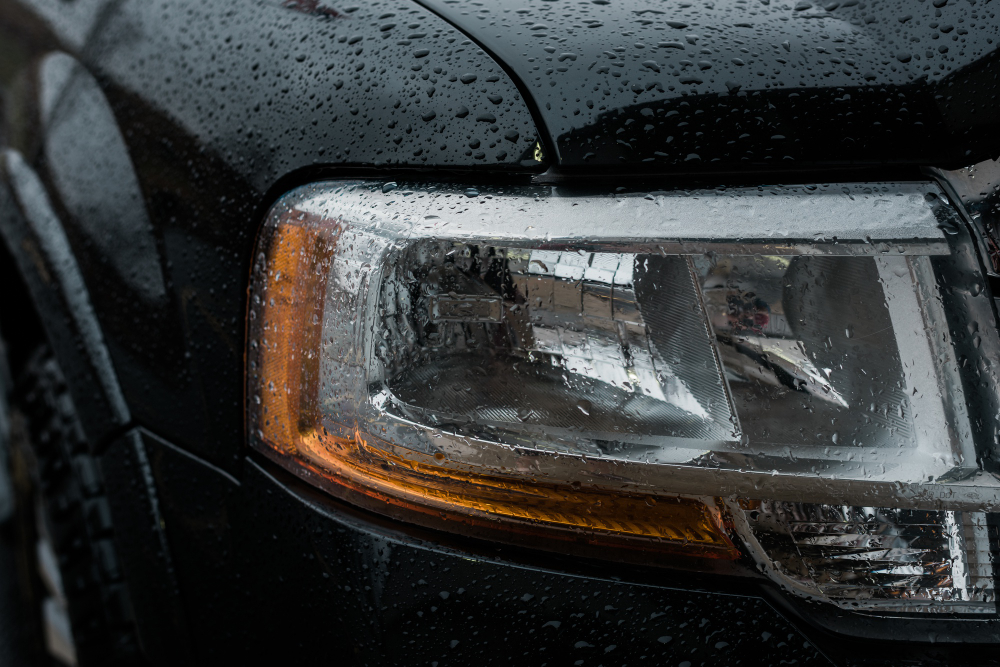
Clear headlights are important for safe driving. They help you see the road at night, during heavy rain, and in foggy weather. But when moisture starts to build up inside the headlight, it can reduce visibility and lead to bigger problems if left untreated.
Many drivers notice fog or water droplets inside their headlights after a rainy day or a sudden change in temperature. While a small amount of mist may disappear on its own, repeated moisture inside the headlight should not be ignored. It may point to worn seals, blocked vents, or damage that allows water to enter the housing.
Ignoring this issue can affect the performance of your headlights over time. Moisture can damage bulbs, electrical parts, and reflectors. In some cases, it can even reduce the lifespan of the entire headlight unit. The good news is that many of these problems can be prevented with regular checks and timely repairs.
This guide explains what causes moisture inside headlights, how to stop it from getting worse, and the steps you can take to keep your headlights in good condition throughout the year.
Why Headlight Condensation Happens in the First Place
Understanding the cause is the first step to preventing moisture damage. Some condensation is normal, while other cases point to a repair that should not be delayed.
Modern headlights are not completely airtight. Manufacturers include small vents that allow pressure to balance as the headlights heat up and cool down. Because of this, light fog may appear inside the lens for a short time after driving in cold or wet weather.
However, moisture becomes a concern when:
- Water droplets remain inside the lens for several hours.
- Condensation appears every day.
- Water collects at the bottom of the housing.
- Only one headlight shows signs of moisture.
These signs usually mean that water is entering through a damaged seal, cracked lens, loose cover, or blocked vent.
Inspect Your Headlights Regularly for Early Signs of Damage
Routine inspections can help you catch small problems before they become expensive repairs.
Many drivers only look at their headlights when a bulb stops working. Instead, make it a habit to inspect them every few weeks.
Look for:
- Small cracks in the lens
- Loose rear covers
- Broken clips
- Damaged rubber seals
- Water marks inside the housing
Finding these issues early gives you time to repair them before moisture damages the internal components. Headlight vents allow moisture to escape. When they become blocked, condensation has nowhere to go.
Dust, mud, leaves, and road dirt can block the small vents built into modern headlights.
To reduce the risk:
- Clean around the vent openings during regular car washes.
- Remove any dirt that blocks airflow.
- Avoid spraying high-pressure water directly into vent openings.
Good airflow allows trapped moisture to leave the housing
Replace Worn Seals Before They Fail Completely
Rubber seals wear out over time because of heat, sunlight, and changing weather conditions.
A worn seal is one of the most common reasons moisture enters a headlight.
Signs of a failing seal include:
- Loose-fitting covers
- Visible cracks in the rubber
- Hard or brittle material
- Water appearing after every rainfall
Replacing a damaged seal is often much cheaper than replacing the entire headlight assembly.
Wash Your Vehicle the Right Way
Improper washing methods can push water into weak areas around the headlight.
Using high-pressure washers too close to the headlights may force water through worn seals or damaged joints.
Instead:
- Keep the pressure nozzle at a safe distance.
- Avoid spraying directly at seal edges.
- Dry the headlights after washing.
Simple changes in your washing routine can help reduce unnecessary moisture exposure.
Fix Small Damage Before It Becomes a Bigger Repair
Small chips and cracks may seem harmless, but they often become entry points for water.
A tiny crack caused by road debris can slowly allow moisture inside the housing.
If you notice:
- A chipped lens
- Loose mounting points
- Small cracks around the edges
Arrange repairs as soon as possible. Waiting too long increases the chance of electrical damage and corrosion inside the headlight.
Know When Professional Repairs Are the Better Option
Some moisture problems cannot be solved with simple cleaning or drying.
If water continues returning after replacing seals or cleaning vents, professional inspection is usually the safest choice.
Persistent Headlight condensation may indicate hidden cracks, damaged housing, or internal seal failure that cannot be seen from the outside.
Professional repairs can:
- Identify the exact source of moisture.
- Restore damaged seals.
- Repair cracked housings where possible.
- Help extend the life of the headlight.
Taking action early often prevents more costly repairs in the future.
Summary
Moisture inside a headlight may seem like a small issue, but it can quickly affect visibility, electrical components, and overall driving safety. Regular inspections, clean vents, good washing habits, and replacing worn seals all help reduce the risk of long-term damage.
When moisture keeps returning despite basic maintenance, it is best to have the headlight checked before the problem spreads. Choosing experienced specialists can help you restore the headlight instead of replacing it unnecessarily. Home of Headlights focuses on professional headlight repairs and restoration, helping drivers solve moisture-related issues while extending the life of their headlights.
