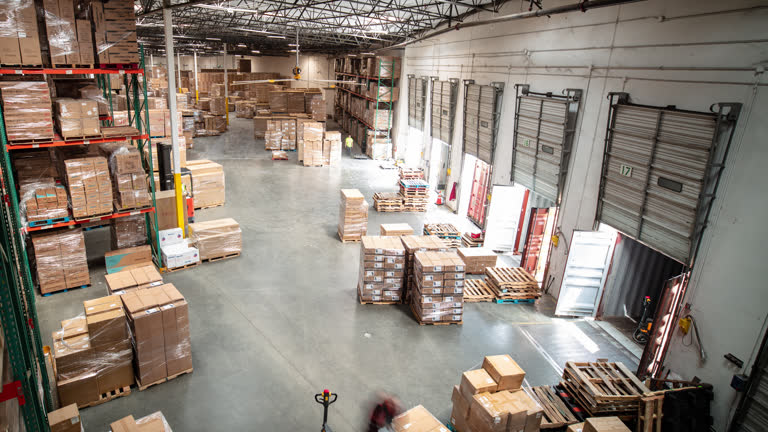
Modern businesses need organized systems to manage products, resources, information, and customer expectations. As companies expand into new markets, their operations become more complex and require greater coordination. Businesses must know where materials are located, when products are needed, how orders should be processed, and how deliveries can be completed efficiently. Logistics provides an important connection between these activities and helps organizations maintain a steady flow of goods from suppliers to customers. Companies that improve their operational planning can reduce unnecessary expenses, increase productivity, and provide more dependable service.
Creating a Strong Operational Foundation
Every successful organization needs a clear operational structure. Employees should understand their responsibilities, departments should communicate effectively, and management should have access to accurate information. Without these elements, even a growing company can experience delays and inefficiencies.
A strong logistics framework brings different activities together and creates greater visibility throughout the business. Purchasing teams can coordinate with suppliers, warehouse employees can monitor inventory, and transportation teams can prepare delivery schedules. When these activities are connected, managers can identify potential problems more quickly and make better decisions.
Understanding Business Requirements
Before improving operations, businesses should understand their current requirements. Managers need to consider product demand, customer locations, inventory levels, supplier capabilities, transportation options, and available storage space.
These factors can change as a company grows. A process that works for a small business may become inefficient when order volumes increase. Regular operational reviews help organizations determine when existing systems need to be adjusted or replaced.
Coordinating Resources
Resources include employees, equipment, storage facilities, vehicles, technology, and financial investments. Efficient resource coordination ensures that these assets are used where they provide the greatest value.
Logistics planning can help businesses coordinate resources according to demand. For example, additional warehouse employees may be required during busy periods, while transportation capacity may need to increase when order volumes rise. Planning ahead allows businesses to prepare without creating unnecessary expenses.
Improving Workplace Productivity
Employee productivity can have a significant effect on overall performance. Workers should have clear procedures, appropriate tools, and accurate information to complete their responsibilities efficiently.
Businesses can improve productivity through training, standardized processes, better workplace layouts, and suitable technology. When employees spend less time searching for information or correcting avoidable mistakes, they can focus more attention on valuable activities.
Improving Purchasing and Supplier Management
Purchasing decisions influence inventory, production, operating costs, and customer fulfillment. Businesses need reliable suppliers that can provide products and materials according to agreed quality and delivery requirements.
Companies should evaluate suppliers carefully rather than focusing only on price. Reliability, communication, capacity, product quality, and flexibility can be equally important. A supplier offering a slightly lower price may not provide real savings if frequent delays create additional costs.
Building Long-Term Supplier Relationships
Strong supplier relationships can provide greater stability. Businesses that communicate regularly with suppliers can discuss future requirements, potential shortages, changing demand, and delivery schedules.
Long-term relationships may also encourage suppliers to understand the company’s specific requirements more thoroughly. This can improve communication and make it easier to resolve problems when unexpected situations occur.
Managing Supplier Performance
Businesses should regularly measure supplier performance. Delivery accuracy, product quality, response times, and order fulfillment can provide useful information about whether a supplier is meeting expectations.
Performance reviews should focus on improvement rather than simply identifying mistakes. Companies can discuss recurring issues with suppliers and establish practical solutions. This approach can create stronger cooperation and more dependable supply arrangements.
Managing Inventory More Effectively
Inventory management requires a balance between availability and cost. Companies need sufficient products to meet customer demand but should avoid storing excessive quantities that may become expensive or obsolete.
Accurate inventory records are essential for making these decisions. Businesses should know what products are available, where they are located, and how quickly they are being sold. Digital inventory systems can provide updated information and reduce dependence on manual records.
Forecasting Future Demand
Demand forecasting helps businesses prepare for future purchasing and production requirements. Historical sales, seasonal trends, promotions, customer behavior, and market conditions can all influence demand.
Logistics teams can use forecasting information to coordinate inventory replenishment and warehouse capacity. When demand is expected to increase, companies can prepare additional resources before shortages occur. When demand is expected to decline, purchasing can be adjusted to prevent excessive inventory.
Reducing Stock-Related Costs
Inventory creates several expenses, including storage, insurance, handling, and potential product loss. Businesses can reduce these costs by improving purchasing accuracy and monitoring slow-moving products.
Companies should regularly identify products that remain in storage for extended periods. They can then adjust purchasing schedules, introduce promotions, or reconsider product strategies. Better inventory management can release capital and storage space for more valuable products.
Improving Transportation and Distribution
Transportation is responsible for moving products between suppliers, facilities, warehouses, stores, and customers. Businesses need transportation arrangements that provide suitable speed, capacity, reliability, and cost efficiency.
The best transportation method depends on the nature of each shipment. Urgent orders may require faster services, while large shipments may benefit from slower but more economical methods. Businesses should evaluate transportation choices according to customer requirements and operational priorities.
Optimizing Delivery Routes
Route planning can improve vehicle utilization and reduce unnecessary travel. Businesses can consider delivery locations, traffic patterns, vehicle capacity, road conditions, and customer priorities when creating schedules.
Modern digital systems can analyze multiple delivery points and suggest efficient routes. When managers use these tools effectively, vehicles can complete more deliveries with fewer unnecessary journeys. This can reduce fuel expenses and improve delivery reliability.
Managing Delivery Communication
Customers appreciate accurate information about their orders. Businesses should provide realistic delivery estimates and communicate promptly when circumstances change.
Logistics teams can use tracking systems to monitor shipments and provide updates. Better communication reduces uncertainty and allows customers to make appropriate arrangements for receiving their orders. Clear communication can also reduce customer service inquiries related to shipment status.
Protecting Product Quality
Products can be damaged during transportation if they are packaged or handled incorrectly. Businesses should select packaging according to product characteristics and transportation conditions.
Employees should receive suitable training in loading and unloading procedures. Careful handling can reduce damage, returns, replacements, and customer complaints. Protecting products throughout distribution helps maintain both quality and customer confidence.
Using Technology to Improve Operations
Technology has become an important part of modern business management. Digital platforms can connect purchasing, inventory, warehousing, transportation, sales, and customer service information.
A connected technology environment gives managers better visibility into daily operations. They can monitor orders, stock levels, delivery progress, and performance indicators without relying entirely on separate spreadsheets or manual reports.
Benefits of Automation
Automation can reduce repetitive work and improve consistency. Automated inventory updates, order confirmations, barcode scanning, shipment tracking, and reporting can save employee time.
However, automation should support employees rather than simply replace existing processes. Businesses need to evaluate which tasks are suitable for automation and ensure employees understand how new systems should be used.
Using Data for Better Decisions
Data analysis can reveal patterns that help managers improve operations. Businesses can examine delivery times, inventory turnover, transportation expenses, supplier performance, and customer feedback.
When performance data is reviewed regularly, managers can identify recurring problems and determine whether changes are producing positive results. Data-driven decision making reduces reliance on assumptions and provides a clearer basis for operational improvements.
Preparing for Business Expansion
Growth can create pressure on existing systems. Increased orders may require additional warehouse space, transportation capacity, employees, technology, and supplier relationships.
Companies should consider future requirements when designing operational processes. Scalable systems can handle higher volumes without requiring complete restructuring. This allows businesses to expand while maintaining service quality.
Developing Flexible Processes
Flexibility is important because market conditions can change quickly. Customer demand may increase unexpectedly, suppliers may face shortages, and transportation arrangements may become unavailable.
A resilient logistics strategy gives businesses alternative options. Companies can maintain backup suppliers, alternative transportation providers, and flexible inventory arrangements. These preparations make it easier to continue operations during difficult periods.
Supporting Sustainable Business Practices
Sustainability can be incorporated into everyday operational decisions. Businesses can reduce waste by improving vehicle utilization, minimizing unnecessary transportation, selecting efficient packaging, and managing inventory carefully.
Sustainable practices can also reduce operating costs. When companies use fewer materials, fuel resources, and storage spaces, they may achieve both environmental and financial benefits.
Building a Customer-Centered Operation
Customers ultimately judge a business according to the quality and reliability of the experience they receive. Accurate orders, dependable delivery, suitable packaging, and responsive communication all contribute to customer satisfaction.
Businesses should therefore connect operational goals with customer expectations. Improving internal efficiency is valuable, but the final objective should be to provide consistent value to customers.
Creating Continuous Improvement
Operational improvement should not be treated as a one-time project. Businesses should regularly review their procedures and identify opportunities for better performance.
Employees can contribute valuable ideas because they work directly with operational processes. Managers should encourage constructive feedback and use performance data to evaluate proposed improvements. Continuous development allows companies to remain adaptable as requirements change.
Conclusion
Effective business growth depends on organized operations, accurate information, dependable suppliers, efficient inventory management, and reliable distribution. Logistics helps connect these activities and creates a coordinated path from purchasing and storage to final customer delivery. Businesses can improve performance by using technology, analyzing data, optimizing transportation, strengthening supplier relationships, and preparing flexible processes for future changes. Sustainable practices can further reduce waste and operating costs while supporting responsible growth. Companies that continuously improve their operations can increase productivity, strengthen customer trust, and develop a more resilient foundation for long-term success.
