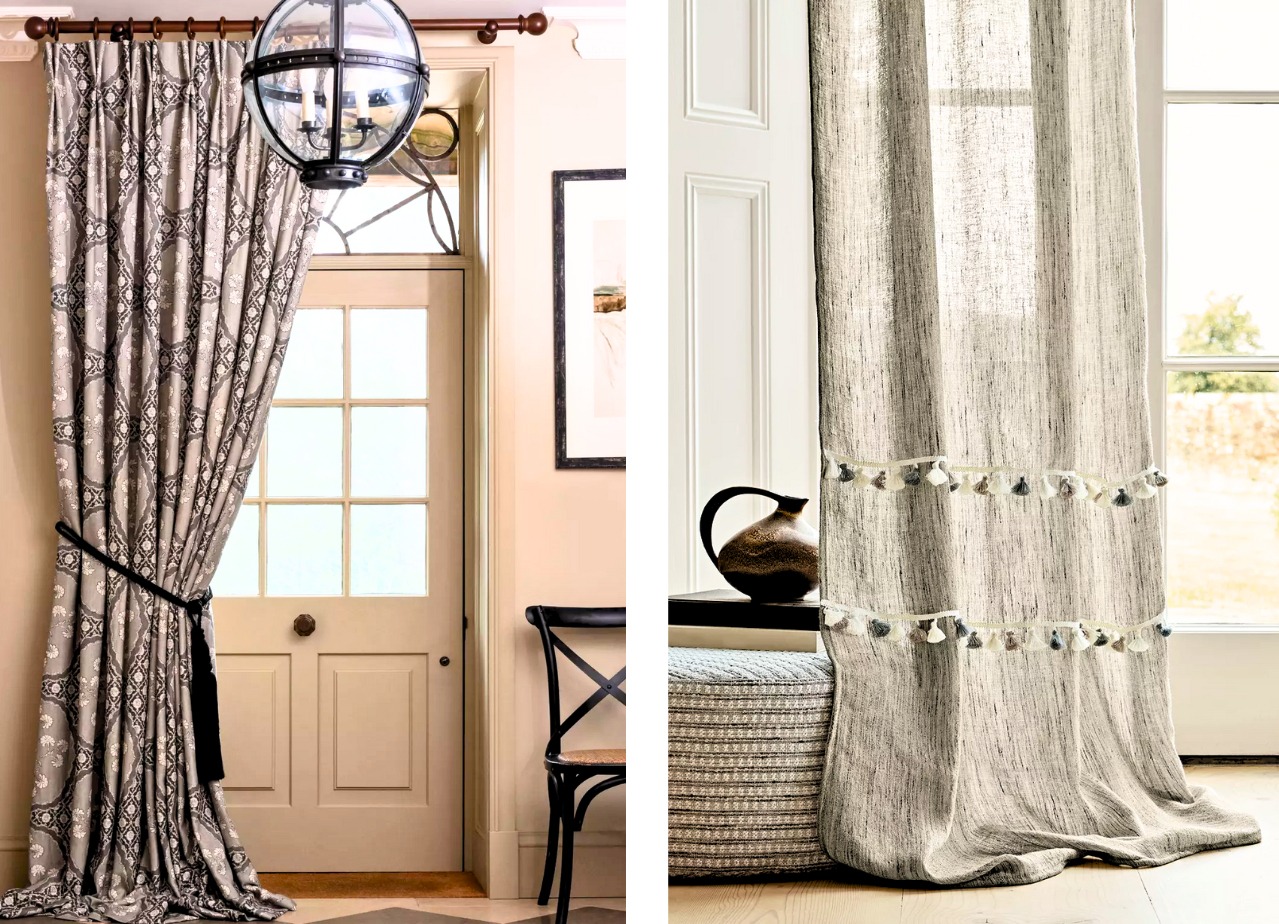
Choosing the right window treatment can completely transform the appearance and comfort of your living space. When comparing curtains vs drapes, many homeowners assume they are the same, but each option offers unique benefits. From light control and privacy to style and energy efficiency, understanding their differences can help you make a more informed decision. This guide explores everything you need to know before selecting the perfect window covering for your home.
Understanding the Difference Between Curtains and Drapes
Although the terms are often used interchangeably, curtains and drapes are designed for different purposes.
Curtains are generally made from lightweight fabrics such as cotton, linen, or polyester. They provide a casual appearance and allow varying amounts of natural light to enter the room.
Drapes, on the other hand, are made with heavier fabrics and are usually lined. They are designed to block light, improve insulation, and create a more formal atmosphere. In many cases, they are custom-made to fit specific window sizes.
Understanding these differences is essential because the wrong choice may affect both functionality and aesthetics.
Curtains vs Drapes: Key Differences
When deciding between curtains vs drapes, consider the following factors:
- Fabric weight and thickness
- Light filtering capabilities
- Privacy level
- Energy efficiency
- Interior design style
- Maintenance requirements
- Overall budget
Each factor contributes to how well the window treatment performs in your home.
Fabric and Appearance
Curtains are available in a wide variety of colors, prints, and lightweight materials. They create a relaxed and welcoming environment that works well in kitchens, living rooms, and children’s bedrooms.
Drapes are often crafted from luxurious fabrics such as velvet, silk, or thick polyester blends. Their elegant appearance makes them suitable for dining rooms, formal living areas, and master bedrooms.
The fabric selection should be based on both the room’s purpose and your personal design preferences.
Light Control and Privacy
One of the biggest distinctions between curtains and drapes is their ability to control light.
Curtains may filter sunlight while maintaining a bright and airy atmosphere. Sheer curtains provide minimal privacy but maximize daylight.
Drapes are designed to block sunlight effectively. Blackout drapes can create complete darkness, making them an excellent choice for bedrooms, home theaters, or rooms that receive intense sunlight.
In many homes, layered window treatments are installed to combine both beauty and functionality.
Energy Efficiency
Energy efficiency has become an important consideration for modern homeowners.
Because drapes are thicker and frequently lined, heat transfer through windows can be reduced. During winter, warmth is retained more effectively, while in summer, excessive heat is blocked from entering the room.
Curtains also contribute to insulation, but their impact is generally less significant due to their lightweight construction.
As a result, lower energy consumption may be achieved when properly installed drapes are used.
Maintenance and Cleaning
Maintenance requirements differ significantly between the two options.
Curtains are generally easier to maintain because many fabrics are machine washable. Regular cleaning helps prevent dust accumulation and keeps the room looking fresh.
Drapes often require professional dry cleaning, especially if they are made from delicate or heavy materials. Their larger size and weight can also make removal and reinstallation more challenging.
Before making a purchase, it is worth considering how much maintenance you are willing to perform.
Best Rooms for Curtains
Curtains work exceptionally well in spaces where natural light is desired.
Some ideal locations include:
- Living rooms
- Kitchens
- Home offices
- Dining areas
- Children’s bedrooms
These rooms benefit from the soft appearance and flexible light control that curtains provide.
Best Rooms for Drapes
Drapes are an excellent choice for areas where privacy, insulation, and light control are priorities. Their heavier construction makes them ideal for creating a cozy and sophisticated atmosphere.
Consider installing drapes in:
- Master bedrooms
- Guest bedrooms
- Home theaters
- Formal living rooms
- Large windows or patio doors
Because additional fabric is used, a more luxurious appearance can be achieved while improving comfort throughout the year.
Pros and Cons of Curtains
Before making your decision, it’s helpful to understand the advantages and disadvantages of curtains.
Pros
- Affordable and widely available
- Easy to install and replace
- Machine washable in many cases
- Available in countless colors, patterns, and fabrics
- Allow natural light to brighten a room
Cons
- Limited insulation
- Less effective at blocking noise
- May not provide complete privacy
- Can fade over time if exposed to direct sunlight
Pros and Cons of Drapes
Drapes offer several practical and aesthetic benefits, but they also come with a few considerations.
Pros
- Excellent light-blocking capabilities
- Superior privacy
- Improved energy efficiency
- Elegant and luxurious appearance
- Better sound absorption
Cons
- Generally more expensive
- Heavier and harder to install
- Professional cleaning may be required
- Less suitable for casual interior styles
How to Choose Between Curtains vs Drapes
The choice between curtains vs drapes depends on your home’s needs, budget, and design preferences.
Choose curtains if you:
- Prefer a modern or casual look
- Want plenty of natural light
- Need an affordable window treatment
- Prefer easy maintenance
Choose drapes if you:
- Need maximum privacy
- Want better insulation
- Prefer a formal or luxurious style
- Want to reduce outside light and noise
Many homeowners also combine both options by pairing sheer curtains with heavier drapes. This layered design offers flexibility, allowing natural light during the day and complete privacy at night.
Curtains vs Drapes: Which One Offers Better Value?
There is no universal winner in the curtains vs drapes debate because each serves a different purpose.
Curtains provide excellent value for homeowners seeking affordability, versatility, and a bright, open feel. Drapes, however, offer long-term benefits through improved insulation, enhanced privacy, and a premium appearance.
Your decision should reflect how you use each room and the level of comfort you expect from your window treatments.
Final Thoughts
When comparing curtains vs drapes, the best option ultimately depends on your lifestyle, interior décor, and functional requirements. Curtains are perfect for creating a light, relaxed atmosphere with minimal maintenance, while drapes deliver superior privacy, energy efficiency, and a refined aesthetic. By understanding the strengths of each option, you can confidently choose the window treatment that enhances both the beauty and comfort of your home for years to come.
