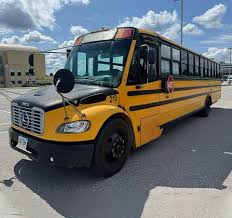
Organizing transportation for a group can quickly become complicated when everyone travels separately. Multiple cars can create parking problems, late arrivals, navigation issues, and unnecessary stress. For corporate events, weddings, school trips, sporting events, airport transfers, sightseeing tours, and private celebrations, group transportation offers a practical way to keep everyone moving together.
With proper planning, Bus Rental Toronto can provide an affordable and convenient solution for groups of different sizes. The key is to select transportation based on the actual needs of the trip rather than simply choosing the largest or lowest-priced option available.
We should consider the number of passengers, travel distance, pickup locations, luggage requirements, trip duration, and the level of comfort needed. When these details are clear, it becomes much easier to choose transportation that fits both the group and the budget.
Why Group Transportation Can Be a Cost-Effective Choice
Travelling as a group often becomes more manageable when passengers share transportation. Instead of coordinating numerous vehicles, everyone can follow one organized schedule.
Individual travel can involve separate fuel costs, parking fees, navigation challenges, and the possibility that some guests arrive late. A single transportation plan can simplify the entire journey.
For larger groups, sharing the overall transportation cost may also make the trip easier to budget. The value is not limited to the price of the vehicle itself. We should also consider the convenience of keeping the group together and reducing the need for individual travel arrangements.
This approach can be particularly useful for events with fixed schedules, such as weddings, conferences, concerts, sporting competitions, and airport departures.
Choosing the Right Vehicle for Your Group
The first step is understanding how many people will travel. We should confirm the expected number of passengers before selecting a vehicle.
However, seating capacity should not be the only consideration. A group may technically fit inside a certain vehicle while still needing additional space for luggage or equipment.
When arranging Bus Rental Toronto, we should match the vehicle size to the complete requirements of the journey.
Minibuses for Smaller Groups
A minibus can be suitable for smaller groups travelling to meetings, celebrations, local attractions, or airports. It may provide a practical balance between passenger capacity and easy movement through city streets.
Smaller vehicles can also work well for trips with limited luggage and shorter travel times.
Mid-Size Buses for Medium Groups
A mid-size vehicle may be a strong choice for wedding guests, corporate teams, school groups, and private outings. It offers more seating capacity while remaining suitable for many city and regional routes.
This option can provide a comfortable solution when a standard minibus does not offer enough space but a large coach would be unnecessary.
Full-Size Coaches for Large Groups
Large groups travelling long distances may require a full-size coach. These vehicles can provide more seating and storage space, making them useful for extended trips and larger events.
Before choosing any vehicle, we should compare the size of the group with the expected luggage and travel duration.
How Group Size Affects Transportation Costs
The number of passengers plays a major role in determining the most practical transportation option.
A vehicle that is too small may require multiple trips or additional vehicles. A vehicle that is much larger than necessary may include capacity the group does not need.
For this reason, we should aim for a balanced choice.
A good starting point is to prepare a final or near-final passenger count. We can then account for possible changes before confirming the vehicle.
When planning Bus Rental Toronto, a slightly larger capacity can sometimes be useful if passenger numbers are likely to increase. However, extra capacity should serve a clear purpose rather than becoming an unnecessary expense.
Consider the Distance and Duration of the Trip
The length of the journey can significantly affect the type of transportation we should choose.
A short local transfer may require fewer features than a full-day trip. Passengers travelling for several hours usually benefit from additional comfort and space.
For longer journeys, we should consider:
- Comfortable seating
- Adequate legroom
- Effective climate control
- Sufficient luggage storage
- Convenient boarding areas
- Space for personal belongings
- Planned rest or meal stops
A simple vehicle may be suitable for a brief transfer. For extended travel, passenger comfort should become a higher priority.
Plan Pickup and Drop-Off Locations Carefully
Transportation planning becomes more efficient when we clearly identify every pickup and drop-off point.
A single pickup location is usually easier to manage than several stops. However, multiple pickup locations may be necessary for corporate groups, wedding guests, or private events.
We should create a detailed schedule that includes:
- Pickup addresses or meeting points
- Planned departure time
- Additional stops
- Final destination
- Expected arrival time
- Return pickup time
- Final drop-off locations
A clear schedule helps everyone understand where they need to be and when.
Luggage Can Affect the Type of Bus You Need
One of the most common planning mistakes is focusing entirely on passenger numbers while forgetting about luggage.
A group of passengers travelling to an airport may require significant storage space. The same is true for sports teams carrying equipment or families travelling for several days.
Before making transportation arrangements, we should estimate:
- Number of large suitcases
- Carry-on bags
- Sports equipment
- Event supplies
- Musical instruments
- Personal mobility equipment
The selected vehicle should provide enough room for both passengers and their belongings.
Affordable Transportation Starts With Good Planning
Lower transportation costs do not always mean choosing the smallest or least expensive vehicle. True affordability comes from selecting an option that meets the group’s needs without paying for unnecessary capacity or features.
We can improve cost efficiency by planning early and providing accurate trip information.
For example, we should know:
- The exact or estimated group size
- Travel date
- Pickup time
- Destination
- Number of stops
- Return schedule
- Expected luggage
When these details are organized in advance, transportation planning becomes much more efficient.
Corporate Transportation for Meetings and Events
Businesses often need transportation for employees, clients, conference attendees, and special guests.
Group transportation can help everyone arrive together and reduce the difficulty of coordinating individual vehicles.
For corporate travel, we should focus on punctuality, comfort, and a professional experience. The schedule should allow enough time for passengers to board, travel, and arrive before the event begins.
A shared vehicle can also simplify transportation between hotels, offices, conference centres, airports, and event venues.
Wedding Transportation for Guests
Weddings often involve multiple locations, including hotels, ceremony venues, reception spaces, and photography locations.
Transportation can help guests move between locations without worrying about parking or finding unfamiliar venues.
We should consider the number of guests who require transportation and whether travel will occur at multiple times during the day.
A detailed schedule is particularly important because wedding events often follow a fixed timeline.
School and Educational Group Travel
Educational trips require careful planning because organizers must coordinate students, teachers, supervisors, and activity schedules.
The vehicle should provide appropriate space for everyone while supporting the planned itinerary.
Before the trip, we should confirm passenger numbers and ensure that departure and return arrangements are clearly communicated.
Additional considerations may include:
- Number of supervisors
- Student luggage or supplies
- Multiple destinations
- Meal or rest stops
- Scheduled activity times
A well-organized transportation plan can help the entire day run more smoothly.
Sports Team Transportation
Sports teams often travel with more than just passengers. Equipment bags, uniforms, supplies, and personal luggage may require substantial storage.
When selecting transportation for a team, we should calculate both the number of people and the amount of equipment.
Long-distance travel may also require additional comfort, particularly when athletes need to rest before or after an event.
A suitable vehicle can help the team stay organized throughout the journey.
Airport Transportation for Groups
Airport travel requires careful attention to timing. Passengers need to arrive early enough for check-in and other travel procedures, while traffic conditions may affect the journey.
Luggage is usually one of the most important considerations.
For group airport transportation, we should prepare a complete luggage estimate before choosing the vehicle.
We should also confirm:
- Flight departure time
- Recommended arrival time
- Pickup location
- Number of passengers
- Number of bags
- Terminal information
For return travel, it is helpful to have a clear meeting point and schedule in place.
Sightseeing and Private Group Tours
Toronto and the surrounding region can offer many destinations for group outings. A sightseeing trip may involve several stops throughout the day.
For these journeys, the transportation should support the complete itinerary.
We should consider how often passengers will board and exit the vehicle, how long they will travel between locations, and whether they will carry personal items throughout the day.
Comfort becomes increasingly important when the group spends many hours travelling.
Understanding the Value of a Shared Transportation Budget
When evaluating the cost of group transportation, it can be useful to consider the total cost across the group rather than viewing the transportation expense as a single large number.
The group may otherwise spend money separately on:
- Fuel
- Parking
- Individual rides
- Multiple vehicles
- Separate transportation arrangements
A shared transportation plan can bring these needs together into one organized service.
When evaluating Bus Rental Toronto, we should focus on the overall value for the complete journey. The right option should provide suitable capacity, practical comfort, and an organized schedule without unnecessary expense.
Avoiding Common Group Transportation Mistakes
Many transportation problems can be avoided with early preparation.
One mistake is estimating the passenger count too early and failing to update it before the trip.
Another common issue is overlooking luggage. This can create difficulties when passengers arrive with more bags than expected.
We should also avoid underestimating the time required for group boarding and exiting. A large group naturally takes longer to move than a single passenger.
Other mistakes include:
- Choosing a vehicle based only on price
- Forgetting the return journey
- Ignoring accessibility requirements
- Planning unrealistic travel times
- Leaving pickup details unclear
- Failing to account for equipment
Careful planning helps prevent these issues.
How to Compare Transportation Options
When comparing options, we should look beyond the basic vehicle category.
We should consider how well each option fits the specific trip.
A useful comparison checklist includes:
Passenger Capacity
Does the vehicle provide enough seats for the full group?
Luggage Space
Can all bags and equipment be stored appropriately?
Travel Comfort
Is the vehicle suitable for the expected travel duration?
Route Practicality
Can the vehicle reasonably support the planned route and stops?
Schedule Requirements
Does the transportation arrangement fit the complete event timeline?
Overall Value
Does the option provide what the group actually needs without unnecessary expense?
Using these factors makes it easier to select transportation based on practical value rather than making a decision based on only one feature.
The Importance of Booking With Accurate Information
Clear information helps create a smoother group travel experience.
Before finalizing transportation, we should prepare the essential trip details in one place.
These details should include:
- Date of travel
- Number of passengers
- Pickup location
- Destination
- Departure time
- Return time
- Planned stops
- Luggage requirements
- Special passenger needs
Accurate information reduces confusion and allows transportation arrangements to reflect the real requirements of the group.
Making Group Transportation More Comfortable
A well-planned trip should be convenient for every passenger.
We can improve the experience by communicating the schedule before the travel date. Passengers should know where to meet, when to arrive, and what to bring.
For longer trips, we should also consider appropriate rest stops and allow enough time for everyone to return to the vehicle.
Small details can have a major effect on the overall experience.
Choosing Transportation Based on Value, Not Just Cost
The most affordable option is not always the cheapest option at first glance.
A lower initial cost may not provide enough seating, luggage capacity, or comfort for the trip. This could create additional expenses or inconvenience later.
A better approach is to select transportation that fits the group correctly from the beginning.
When we compare options based on the complete journey, we can make a more informed decision.
Final Planning Checklist
Before confirming transportation, we should review the following:
- Have we confirmed the passenger count?
- Have we included expected luggage?
- Does the vehicle match the trip duration?
- Is the pickup schedule clear?
- Have we planned every destination and stop?
- Have we considered accessibility needs?
- Does the return journey have a clear schedule?
- Does the transportation choice provide practical value?
If these questions have clear answers, the group is in a stronger position to enjoy a well-organized journey.
Conclusion
Affordable group transportation begins with careful planning and a clear understanding of the journey. The number of passengers matters, but so do travel distance, luggage, comfort, pickup locations, timing, and the purpose of the trip.
By selecting a vehicle that matches the real requirements of the group, we can avoid unnecessary costs and make transportation easier to manage. Whether we are organizing a corporate event, wedding, school trip, airport transfer, sporting journey, or private tour, the right planning approach helps keep everyone comfortable and on schedule.
The best group transportation decision is one that balances capacity, convenience, comfort, and value. With accurate information and a practical itinerary, we can create a smoother experience from the first pickup to the final drop-off.
FAQs
1. How do we choose the right bus size for our group?
We should begin with the confirmed passenger count and then consider luggage, equipment, travel distance, and the length of the journey. The right vehicle should provide enough space without unnecessary capacity.
2. Is group transportation more affordable than travelling separately?
For many groups, shared transportation can simplify expenses and reduce the need for multiple vehicles, separate parking arrangements, and individual travel planning. The best value depends on the size and needs of the group.
3. How much luggage should we consider when choosing a bus?
We should estimate every large suitcase, carry-on bag, sports bag, and piece of equipment. Luggage requirements can influence the type and size of vehicle needed.
4. What information should we prepare before arranging transportation?
We should prepare the travel date, passenger count, pickup location, destination, departure time, return schedule, planned stops, luggage requirements, and any special passenger needs.
5. How can we keep a group transportation trip organized?
A clear schedule, confirmed passenger count, detailed pickup information, realistic travel times, and advance communication can help the entire group travel more smoothly.
For more information: Airlink Tours Niagara Falls Toronto
