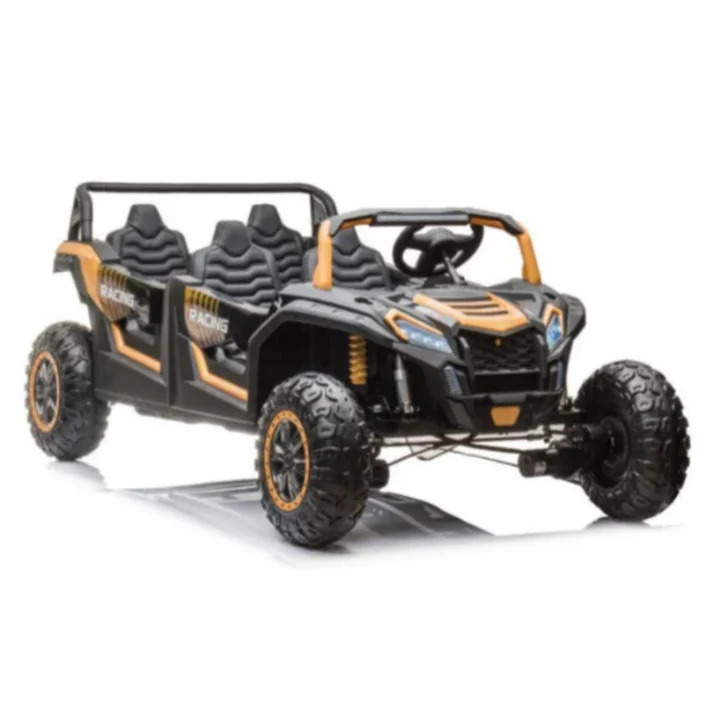
Buying a buggy is an investment in outdoor recreation, but purchasing the vehicle is only the beginning. Regular maintenance is essential for keeping a buggy in good working condition and ensuring that its major components continue to perform as intended.
Whether you own an electric buggy, petrol-powered model, or a larger four-seat vehicle, routine inspections can help identify wear and potential problems before they become more serious.
A well-maintained buggy can also provide a more reliable driving experience. Components such as tires, brakes, steering, suspension, batteries, and engines all require appropriate attention.
This guide explains how to maintain a buggy, what components to inspect regularly, how electric and petrol models differ, and what buyers should consider when comparing buggies for sale.
Why Is Buggy Maintenance Important?
A buggy contains multiple mechanical, electrical, and structural components that work together.
Regular maintenance can help you:
- Identify visible damage
- Monitor tire condition
- Check braking performance
- Maintain battery health
- Detect mechanical problems
- Reduce unnecessary wear
- Keep the vehicle clean
- Improve reliability
- Extend the useful life of components
Maintenance does not eliminate the possibility of mechanical failure, but it can help identify problems earlier.
Always follow the manufacturer’s maintenance instructions because service requirements vary between vehicles.
How Often Should You Maintain a Buggy?
There is no single maintenance schedule for every buggy.
The correct schedule depends on:
- Vehicle type
- Engine or motor
- Frequency of use
- Terrain
- Passenger load
- Manufacturer recommendations
- Operating conditions
A good approach is to combine pre-ride inspections with scheduled maintenance.
Before Every Ride
Check basic safety-related components such as:
- Tires
- Brakes
- Steering
- Safety restraints
- Battery or fuel system
- Visible damage
After Heavy Use
Inspect the vehicle more carefully after demanding recreational use, particularly if it has been exposed to dust, sand, mud, or uneven terrain.
Scheduled Maintenance
Follow the manufacturer’s recommended service intervals for detailed inspections and component replacement.
Tire Maintenance
Tires are among the most important components on a buggy because they directly contact the riding surface.
Before riding, inspect the tires for:
- Visible cuts
- Cracks
- Uneven wear
- Embedded objects
- Low pressure
- Damaged sidewalls
- Excessive tread wear
The correct tire pressure should always follow the manufacturer’s recommendations.
Incorrect tire pressure can affect:
- Handling
- Traction
- Braking
- Ride comfort
- Tire wear
Why Tire Condition Matters
A buggy may be used on different outdoor surfaces, and each environment can affect tires differently.
Sand, gravel, dirt, and uneven terrain can increase wear compared with smooth surfaces.
If you regularly operate your vehicle in demanding environments, inspect the tires more frequently.
Brake Maintenance
Brakes are critical to vehicle control.
Before operating the buggy, make sure the braking system responds normally.
Depending on the vehicle, the braking system may include:
- Brake pedal
- Brake discs
- Brake pads
- Cables
- Hydraulic components
Signs of a possible brake problem can include:
- Reduced braking performance
- Unusual sounds
- Excessive pedal travel
- Pulling to one side
- Visible damage
- Unusual vibrations
If you notice a significant braking problem, stop using the vehicle until it has been appropriately inspected or repaired.
Steering System Maintenance
The steering system should operate smoothly and predictably.
Regularly check for:
- Excessive steering play
- Unusual noises
- Difficulty turning
- Damaged components
- Loose connections
- Visible wear
Steering problems can affect vehicle control, so they should not be ignored.
Never continue operating a vehicle if the steering system is not functioning correctly.
Suspension Maintenance
Suspension components can experience considerable stress, particularly when a buggy is used on suitable uneven outdoor terrain.
Inspect components for:
- Visible damage
- Loose parts
- Leaks where applicable
- Unusual noises
- Excessive movement
- Uneven ride height
The exact suspension system varies by model.
If your vehicle is regularly used on demanding terrain, follow the manufacturer’s recommendations for more frequent inspections.
Electric Buggy Maintenance
Electric buggies require a different maintenance routine from petrol-powered models.
The electric motor generally has fewer moving components than a combustion engine, but the battery and electrical system require attention.
Important components include:
- Battery
- Charger
- Charging port
- Electrical connections
- Motor
- Wiring
- Controller
Battery Care
The battery is one of the most important components of an electric buggy.
Follow the manufacturer’s charging instructions.
Good battery-care practices include:
- Use the recommended charger.
- Follow the specified charging procedure.
- Keep charging connections clean and dry.
- Avoid using damaged charging equipment.
- Inspect the battery for visible damage.
- Store the vehicle according to manufacturer recommendations.
Battery performance can change with age and usage.
If you notice unusual heating, swelling, damage, or other abnormal behavior, stop using the battery and seek appropriate technical assistance.
Petrol Buggy Maintenance
Petrol-powered buggies have additional mechanical maintenance requirements.
Depending on the model, maintenance can include:
- Engine oil changes
- Air-filter inspection
- Spark-plug checks
- Fuel-system inspection
- Engine servicing
- Cooling-system checks
- Brake inspection
- Tire inspection
Always use the correct fluids and replacement components specified by the manufacturer.
Engine Oil
Engine oil helps lubricate the internal components of a combustion engine.
Oil should be checked and replaced according to the manufacturer’s service schedule.
Do not use unsuitable oil simply because it is readily available.
Check the owner’s manual for the recommended specification.
Air Filter
The air filter helps prevent dirt and debris from entering the engine.
A dirty or damaged filter can affect engine performance.
The inspection and replacement interval depends on the vehicle and operating environment.
Vehicles used in dusty environments may require more frequent attention.
Spark Plugs
Petrol engines use spark plugs to ignite the fuel-air mixture.
Worn or damaged spark plugs can affect engine operation.
Inspect or replace them according to the manufacturer’s recommended schedule.
Cleaning Your Buggy
Cleaning is not just about appearance.
Dirt, sand, and debris can accumulate around important components.
Regular cleaning can help you identify:
- Cracks
- Leaks
- Loose components
- Tire damage
- Corrosion
- Accumulated debris
Use cleaning methods recommended by the manufacturer.
Avoid directing high-pressure water at sensitive electrical components unless the manufacturer specifically permits it.
Cleaning After Sand or Dust
If a buggy is used in a dusty or sandy environment, pay particular attention to areas where debris can accumulate.
Check:
- Wheels
- Underbody
- Suspension
- Air intake
- Engine area on petrol models
- Electrical components
- Moving parts
Remove debris according to the manufacturer’s cleaning instructions.
Maintaining a Buggy After Off-Road Use
Outdoor recreational use can expose a buggy to additional dust, vibration, and impact.
After demanding use, inspect:
Tires
Look for cuts, punctures, or excessive wear.
Suspension
Check for visible damage or unusual movement.
Frame
Look for cracks, dents, or loose components.
Steering
Check for unusual play or resistance.
Brakes
Make sure braking performance remains normal.
Battery or Engine
Check the power system for unusual behavior.
Early inspection can help identify problems before the next ride.
Maintaining a 4 Seater Dune Buggy
A 4 seater dune buggy can require additional attention because it may carry more passengers and have a larger structure.
Before operation, check:
- Total passenger weight
- Tire condition
- Brake performance
- Suspension
- Safety restraints
- Steering
- Battery or engine
- Frame
- Seating components
Additional passenger weight can increase stress on the tires, suspension, brakes, and power system.
Never exceed the manufacturer’s maximum weight capacity.
Check Seat Belts and Safety Restraints
Safety restraints should be inspected regularly.
Look for:
- Frayed straps
- Damaged buckles
- Loose mounting points
- Cracks
- Other visible damage
If a restraint system is damaged, do not assume it is still safe to use.
Have it replaced or repaired according to the manufacturer’s requirements.
Check Bolts and Fasteners
Vibration from outdoor driving can cause certain fasteners to loosen over time.
During scheduled inspections, check accessible components for:
- Loose bolts
- Missing fasteners
- Damaged nuts
- Unusual movement
Only tighten components according to the manufacturer’s instructions.
Do not modify structural components without appropriate technical knowledge.
Electrical System Checks
Electric buggies contain wiring and electrical connections that should remain in good condition.
Inspect for:
- Damaged cables
- Exposed wiring
- Loose connectors
- Corrosion
- Burn marks
- Damaged charging components
If you identify an electrical fault, avoid attempting an unsafe repair.
Electrical systems can require specialist attention.
Fuel System Checks for Petrol Buggies
Petrol-powered vehicles should be checked for visible fuel leaks.
Look around:
- Fuel tank
- Fuel lines
- Connections
- Fuel cap
- Engine area
If you smell strong fuel odors or notice a leak, stop using the vehicle and address the issue appropriately.
Keep petrol away from open flames and other ignition sources.
Storage Tips for Your Buggy
Proper storage can help protect a buggy when it is not being used.
Ideally, store the vehicle in a:
- Dry location
- Covered area
- Secure environment
- Well-ventilated space where appropriate
Avoid unnecessary exposure to:
- Direct sunlight
- Rain
- Excessive moisture
- Dust
- Extreme environmental conditions
For electric models, follow the manufacturer’s recommendations for battery storage and charging.
For petrol models, follow the manufacturer’s instructions for fuel and long-term storage.
How Weather Can Affect a Buggy
Environmental conditions can affect vehicle components.
Heat
High temperatures can affect batteries, tires, plastics, and other components.
Dust
Dust can accumulate around mechanical and electrical components.
Moisture
Excessive moisture can contribute to corrosion or electrical problems.
Sunlight
Long-term exposure to sunlight can affect certain materials.
Proper storage can help reduce unnecessary environmental exposure.
When Should You Replace Buggy Tires?
There is no universal replacement interval.
Tires should be replaced when they reach the manufacturer’s wear limit or show significant damage.
Warning signs can include:
- Severe tread wear
- Cracks
- Bulges
- Punctures
- Damaged sidewalls
- Uneven wear
Do not continue using severely damaged tires.
When Should You Replace an Electric Buggy Battery?
Battery replacement depends on battery type, usage, charging practices, age, and manufacturer specifications.
Possible signs of battery deterioration include:
- Significantly reduced operating time
- Longer charging periods
- Reduced performance
- Unexpected power loss
- Physical battery damage
If battery performance changes significantly, have the system assessed appropriately.
How Maintenance Affects Buying Decisions
Maintenance should be considered before purchasing a vehicle.
When comparing buggy cars, look beyond the initial purchase price.
Ask:
- What regular maintenance does it require?
- Are replacement parts available?
- Is the battery replaceable?
- How often does the engine require servicing?
- What does the warranty cover?
- Is technical support available?
- Are common components easy to replace?
A vehicle that is easier to maintain can be more convenient over its ownership period.
Maintenance Costs to Consider
Potential maintenance expenses can include:
| Component | Possible Maintenance |
| Tires | Inspection and replacement |
| Brakes | Inspection and component replacement |
| Battery | Charging and eventual replacement |
| Engine | Servicing and oil changes |
| Air filter | Cleaning or replacement |
| Spark plugs | Inspection or replacement |
| Suspension | Inspection and repairs |
| Steering | Inspection and repairs |
| Safety restraints | Inspection and replacement |
| Electrical system | Inspection and repairs |
Actual costs vary by model and usage.
Common Buggy Maintenance Mistakes
1. Ignoring Tire Pressure
Incorrect pressure can affect handling and tire wear.
2. Skipping Brake Checks
Brake problems should never be ignored.
3. Using the Wrong Charger
Electric models should use the charger specified by the manufacturer.
4. Ignoring Engine Service
Petrol models require appropriate engine maintenance.
5. Washing Electrical Components Incorrectly
Water should not be directed at sensitive components unless permitted by the manufacturer.
6. Ignoring Unusual Sounds
New or unusual noises can indicate a mechanical problem.
7. Overlooking Small Damage
Small cracks or loose components can become larger problems if ignored.
8. Storing the Vehicle Improperly
Long-term exposure to moisture, sunlight, and dust can affect vehicle components.
A Simple Buggy Maintenance Checklist
Use this checklist before regular operation:
Tires: Check condition and pressure.
Brakes: Confirm normal braking performance.
Steering: Check for unusual play or resistance.
Suspension: Inspect for visible damage.
Safety restraints: Check belts and harnesses.
Battery: Inspect condition and charging equipment.
Engine: For petrol models, check oil and other service items.
Fuel system: Look for visible leaks.
Frame: Inspect for cracks or structural damage.
Electrical system: Check for damaged wires or connectors.
Cleaning: Remove excessive dirt, dust, and debris.
Storage: Keep the vehicle in an appropriate location.
What to Check When Buying Buggies for Sale
If you are shopping for buggies for sale, maintenance should be part of your evaluation.
Before purchasing, ask about:
- Warranty
- Replacement parts
- Battery availability
- Service requirements
- Tire replacement
- Brake components
- Engine maintenance
- Technical support
- Owner’s manual
For a used buggy, inspect the vehicle particularly carefully.
Look for evidence of:
- Poor maintenance
- Excessive wear
- Structural damage
- Tire deterioration
- Battery problems
- Engine issues
- Brake problems
A professional inspection can be useful if you are not experienced with mechanical vehicles.
How to Extend the Life of Your Buggy
Several simple habits can help protect your vehicle.
Follow the Manufacturer’s Schedule
Do not skip recommended servicing.
Inspect Before Riding
A short inspection can identify obvious problems.
Avoid Overloading
Stay within the specified passenger and weight limits.
Use Appropriate Terrain
Operate the vehicle only in environments for which it is designed.
Store It Properly
Protect the vehicle from unnecessary environmental exposure.
Clean It Regularly
Remove accumulated dirt and debris.
Address Problems Early
Do not continue using a vehicle when a serious mechanical or electrical issue is suspected.
Final Thoughts
Regular maintenance is one of the most important responsibilities of owning a buggy.
Whether you have an electric model, petrol vehicle, or 4 seater dune buggy, routine inspections can help you monitor the condition of tires, brakes, steering, suspension, batteries, engines, safety restraints, and other important components.
When comparing buggies for sale, maintenance should be considered alongside price, performance, seating, safety, and intended use.
A good maintenance routine does not have to be complicated. Start with a pre-ride inspection, follow the manufacturer’s service schedule, keep the vehicle clean, and address unusual problems before they become more serious.
Most importantly, use the vehicle only according to its manufacturer’s specifications and applicable local requirements.
For more children’s products, recreational vehicles, outdoor play equipment, and baby toys, explore the wider range available at Toyzinn.
Frequently Asked Questions
1. How often should a buggy be serviced?
The correct service interval depends on the specific model, power system, frequency of use, and manufacturer recommendations. Follow the owner’s manual for the recommended schedule.
2. What should I check before riding a buggy?
Check the tires, brakes, steering, safety restraints, suspension, battery or fuel system, and visible structural components before riding.
3. Do electric buggies require maintenance?
Yes. Electric buggies still require maintenance for tires, brakes, steering, suspension, batteries, electrical connections, and other components.
4. Are petrol buggies harder to maintain?
Petrol buggies generally require more engine-related maintenance because they contain combustion engines, fuel systems, oil, filters, and spark plugs.
5. How do I maintain a 4 seater dune buggy?
Check tires, brakes, suspension, steering, safety restraints, battery or engine, and total passenger weight. Larger vehicles may require additional attention because of their increased size and passenger capacity.
6. How can I protect my buggy battery?
Use the recommended charger, follow the manufacturer’s charging instructions, keep charging connections clean and dry, and store the battery according to the manufacturer’s guidelines.
7. When should buggy tires be replaced?
Tires should be replaced when they reach the manufacturer’s wear limit or show significant damage such as severe tread wear, cracks, bulges, or damaged sidewalls.
8. How do I maintain a petrol buggy engine?
Follow the manufacturer’s service schedule for oil changes, air-filter maintenance, spark-plug inspection, fuel-system checks, and other engine servicing.
9. Can I wash my buggy with water?
Cleaning methods vary by model. Follow the manufacturer’s instructions and avoid exposing sensitive electrical components to water unless the manufacturer specifically permits it.
10. What should I check when buying a used buggy?
Inspect the tires, brakes, steering, suspension, battery or engine, frame, safety restraints, electrical system, and overall condition. Ask for maintenance records where available and consider professional inspection if necessary.
