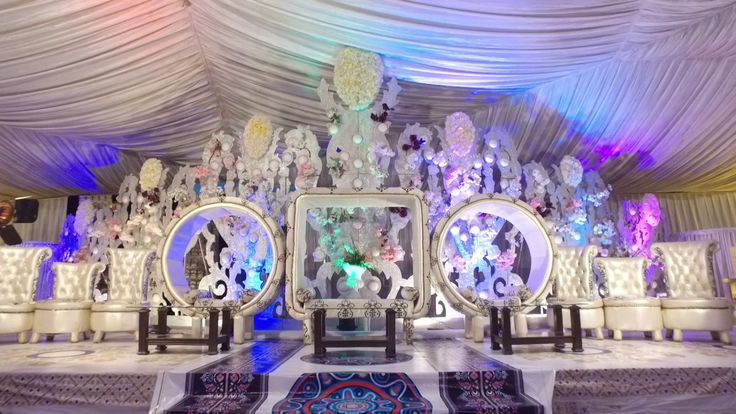
Lahore is a city that knows how to celebrate. From sophisticated business gatherings and formal dinners to weddings, cultural occasions, and private celebrations, events are an important part of the city’s social and professional landscape. As expectations continue to grow, organizing an event successfully requires more than basic arrangements. Guests now look for comfortable experiences, creative environments, smooth coordination, and memorable moments.
Behind every well-executed occasion is a detailed process that begins long before guests arrive. Careful preparation, experienced coordination, and attention to detail can make the difference between an average gathering and an impressive event.
Planning Begins Before the Event
One of the biggest mistakes in event organization is leaving important decisions until the final stages. Successful events are usually built through a series of well-planned steps.
The process starts by identifying the purpose of the occasion. Organizers need to understand whether the event is intended for celebration, networking, business promotion, entertainment, or a combination of different objectives.
Once the purpose is clear, decisions regarding the guest list, venue, budget, theme, catering, entertainment, and schedule become easier to manage.
Working with a professional event planner can help bring all these elements together through a structured planning process. Instead of making individual decisions without a clear direction, clients can develop a complete strategy for their event.
Building a Realistic Event Budget
Financial planning should be considered at the beginning rather than after major bookings have already been made. A realistic budget gives organizers a better understanding of what can be achieved.
Major expenses may include the venue, food, décor, photography, entertainment, lighting, sound equipment, invitations, transportation, and staffing. Depending on the type of event, additional services may also be required.
A carefully prepared budget allows organizers to prioritize the features that matter most. It also helps reduce the possibility of unexpected expenses and last-minute compromises.
The objective should be to create the best possible experience within the available resources.
Finding a Venue That Fits the Occasion
The venue is more than simply a location. It influences the atmosphere, guest movement, décor possibilities, seating arrangements, and overall experience.
A suitable venue should match the size and nature of the event. Organizers may need to consider parking, accessibility, facilities, indoor and outdoor spaces, catering arrangements, and technical capabilities.
For a formal business event, the venue may need presentation facilities and professional seating. A wedding or social celebration may require space for dining, entertainment, photography, and stage arrangements.
Selecting the right venue early provides a strong foundation for the rest of the event.
Developing an Effective Event Timeline
Time management is an essential part of professional event organization. Multiple activities often need to happen within a limited period, and poor timing can affect the entire guest experience.
A detailed timeline can cover everything from vendor arrival and venue setup to guest reception, food service, speeches, entertainment, and closing activities.
Good event planning also allows enough flexibility to accommodate small changes. Events rarely follow every minute exactly as originally scheduled, so a practical timeline should provide room for adjustments without disrupting the main program.
Coordinating Different Service Providers
A successful event may involve several different professionals working together. Decorators, caterers, photographers, entertainers, florists, sound technicians, lighting teams, and venue staff all have separate responsibilities.
Without proper coordination, these services can become difficult to manage. One supplier arriving late may affect the setup of another, creating a chain of delays.
Professional coordination ensures that each vendor understands the schedule and their specific responsibilities. Clear communication before the event can prevent many common problems and create a more organized setup.
Designing for Comfort and Visual Appeal
A visually attractive event should also be comfortable for guests. Décor should enhance the venue without making it difficult for people to move around or interact.
Seating arrangements, lighting, stage positioning, dining areas, entrances, and guest pathways should all be considered during the design process.
The best event designs combine aesthetics with functionality. A beautiful environment becomes much more effective when guests can comfortably enjoy everything the event has to offer.
Creating Memorable Guest Experiences
Guests remember more than what an event looked like. They remember how they felt throughout the occasion.
Welcoming arrangements, efficient service, enjoyable entertainment, comfortable seating, quality food, and smooth transitions between activities all contribute to the overall experience.
Personalized details can make an event even more distinctive. Customized décor, themed elements, thoughtful welcome arrangements, or special activities can give guests something meaningful to remember.
Preparing for the Unexpected
Even detailed preparation cannot completely eliminate unexpected situations. Technical problems, vendor delays, changes in weather, or adjustments to the schedule can occur.
Professional event management includes preparing alternative solutions whenever possible. Backup arrangements and clear communication channels allow organizers to respond more effectively when something changes.
The ability to remain organized during unexpected situations is one of the qualities that separates professional event management from casual event organization.
The Role of Communication
Communication connects every part of the planning process. Clients need to communicate their expectations clearly, while vendors need accurate information about schedules and requirements.
Regular communication can help identify potential issues before the event day. It also ensures that everyone involved understands the final plan.
A professional planner can serve as the central communication point, reducing the need for clients to manage multiple conversations with different suppliers.
Choosing Professional Support
Selecting the right event professional can have a significant impact on the final result. Experience, organization, creativity, communication, reliability, and attention to detail are all important qualities to consider.
Clients should clearly discuss their expectations, budget, preferred style, and required services before beginning the project. A transparent planning process helps establish realistic expectations and reduces misunderstandings.
The right professional should not simply follow instructions. They should also be able to provide practical suggestions and identify opportunities to improve the event.
Conclusion
Successful events are built through preparation, coordination, creativity, and careful execution. From establishing a realistic budget and selecting the right venue to managing vendors and creating a comfortable guest experience, every stage contributes to the final outcome.
For events in Lahore, professional expertise can make the planning process more organized and less stressful. A clear strategy allows hosts to focus on their guests while experienced professionals manage the details behind the scenes.
Whether it is a corporate gathering, wedding, private celebration, conference, or formal occasion, a thoughtful approach to event organization can create an experience that feels polished, purposeful, and memorable.
