Finding the perfect bracelet is not just about selecting a beautiful design. It is equally important to ensure that it fits comfortably and complements your wrist. A bracelet size chart makes this process much easier by helping you determine the correct bracelet size before making a purchase. Whether you are buying a bracelet for yourself or as a gift, understanding sizing can save time, reduce returns, and improve your overall shopping experience.
Many people assume that one bracelet size fits everyone, but that is rarely the case. Wrist sizes vary significantly, and bracelet styles also influence how a bracelet feels when worn. Throughout this guide, you will learn how to measure your wrist accurately, understand different bracelet sizes, and confidently choose the right fit.
Why Is Bracelet Sizing So Important?
A bracelet should feel comfortable while remaining secure on your wrist. If it is too tight, it may cause discomfort during daily wear. On the other hand, a bracelet that is too loose could slide off unexpectedly or become damaged.
Choosing the correct bracelet size offers several benefits:
- Improves comfort throughout the day.
- Reduces the risk of losing your bracelet.
- Enhances the overall appearance of your jewelry.
- Prevents unnecessary stretching or wear.
- Creates a better online shopping experience.
Proper sizing has often been overlooked by shoppers, yet it plays a major role in ensuring long-term satisfaction.
What Is a Bracelet Size Chart?
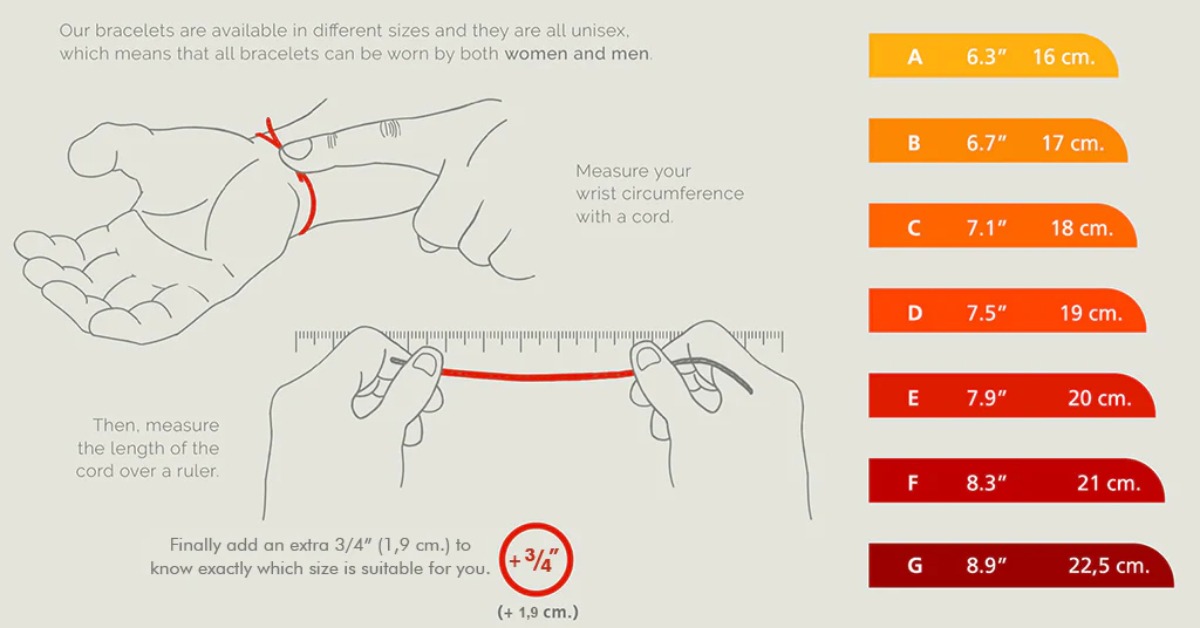
A bracelet size chart is a simple reference guide that matches wrist measurements with recommended bracelet lengths. Jewelry manufacturers and retailers commonly use these charts to help customers select the correct size.
Although slight variations may exist between brands, most bracelet sizing follows similar standards.
| Wrist Size | Recommended Bracelet Size |
|---|---|
| 5.5 inches (14 cm) | 6.5 inches |
| 6 inches (15 cm) | 7 inches |
| 6.5 inches (16.5 cm) | 7.5 inches |
| 7 inches (18 cm) | 8 inches |
| 7.5 inches (19 cm) | 8.5 inches |
| 8 inches (20 cm) | 9 inches |
This bracelet size chart serves as a helpful starting point, although personal comfort preferences should also be considered.
How to Measure Your Wrist Correctly
Accurate measurements are essential before using any bracelet sizing guide.
Method 1: Using a Measuring Tape
The easiest method involves using a flexible measuring tape.
Follow these steps:
- Wrap the tape around your wrist where you normally wear a bracelet.
- Keep the tape snug without making it tight.
- Record the measurement.
- Add extra length depending on your preferred fit.
Method 2: Using a String
If a measuring tape is unavailable, a piece of string can be used.
Simply:
- Wrap the string around your wrist.
- Mark where it overlaps.
- Lay the string against a ruler.
- Record the measurement.
This method has been widely used and provides reliable results when done carefully.
How Much Extra Room Should You Add?
Your bracelet fit depends on your personal style.
Snug Fit
Add approximately 0.25 to 0.5 inches (0.6 to 1.3 cm).
Ideal for:
- Tennis bracelets
- Minimalist bracelets
- Thin chain bracelets
Comfortable Fit
Add approximately 0.75 inches (2 cm).
Suitable for:
- Everyday bracelets
- Charm bracelets
- Link bracelets
Loose Fit
Add approximately 1 inch (2.5 cm).
Recommended for:
- Fashion bracelets
- Layered jewelry
- Casual accessories
Many jewelry experts recommend a comfortable fit for everyday wear because it balances security with flexibility.
Bracelet Types and Their Sizing Considerations
Different bracelet styles fit differently even if they share the same length.
Chain Bracelets
Chain bracelets usually provide flexibility and are ideal for daily use. Slight adjustments can often be made depending on the clasp position.
Bangle Bracelets
Bangles must pass over the hand rather than simply fit around the wrist.
When choosing bangles:
- Measure the widest part of your hand.
- Consider finger positioning.
- Allow enough room for easy wear.
Cuff Bracelets
Cuff bracelets typically have an open design.
They should:
- Sit securely.
- Avoid pinching the wrist.
- Allow gentle adjustment without excessive bending.
Charm Bracelets
Charm bracelets become heavier as charms are added.
It is generally recommended that extra room be allowed for future charms and movement.
Bracelet Size Guide for Men
Men’s bracelets generally range between 7.5 and 9 inches, depending on wrist size.
Typical sizing includes:
- Small: 7.5 inches
- Medium: 8 inches
- Large: 8.5 inches
- Extra Large: 9 inches
Leather, stainless steel, and rope bracelets are among the most popular men’s options.
Bracelet Size Guide for Women
Women’s bracelets usually fall between 6.5 and 8 inches.
Common sizes include:
- Petite: 6.5 inches
- Standard: 7 inches
- Comfortable Fit: 7.5 inches
- Larger Fit: 8 inches
Delicate chain bracelets and charm bracelets remain popular choices.
Bracelet Size Guide for Children
Children’s bracelet sizing varies with age.
Approximate recommendations include:
| Age | Bracelet Size |
| 0–2 Years | 4.5–5 inches |
| 3–5 Years | 5–5.5 inches |
| 6–8 Years | 5.5–6 inches |
| 9–12 Years | 6–6.5 inches |
Parents should periodically remeasure growing children because wrist sizes change over time.
Common Bracelet Sizing Mistakes
Many sizing issues can easily be avoided.
Some of the most common mistakes include:
- Measuring too tightly.
- Ignoring bracelet style.
- Forgetting seasonal wrist swelling.
- Choosing size based only on appearance.
- Not checking the retailer’s sizing guide.
These mistakes have frequently resulted in unnecessary returns and exchanges.
Helpful Tips Before Buying a Bracelet Online
Online jewelry shopping continues to grow, making accurate sizing even more important.
Before purchasing:
- Measure your wrist more than once.
- Compare measurements with the retailer’s size guide.
- Read customer reviews for sizing feedback.
- Consider bracelet material.
- Check return and exchange policies.
- Review product dimensions carefully.
A little preparation can significantly improve buying confidence.
How Bracelet Materials Affect Fit
Bracelet material can influence comfort and flexibility.
Metal Bracelets
Metal bracelets maintain their shape and offer little flexibility. Accurate sizing is especially important.
Leather Bracelets
Leather naturally softens over time. Slight stretching may occur after regular wear.
Beaded Bracelets
Elastic beaded bracelets provide some flexibility but should not be stretched excessively.
Fabric and Rope Bracelets
Adjustable fabric bracelets allow greater customization and fit a wider range of wrist sizes.
Understanding material characteristics helps ensure long-term comfort and durability.
Why Every Jewelry Buyer Should Use a Bracelet Size Chart
Using a bracelet size chart before purchasing helps eliminate guesswork. Whether you are shopping for gold bracelets, silver bangles, leather cuffs, or charm bracelets, proper sizing ensures both comfort and style. It also reduces the likelihood of returns, protects your investment, and creates a better overall wearing experience.
By taking a few minutes to measure your wrist accurately and comparing it with a reliable sizing guide, you can confidently select jewelry that feels as good as it looks.
Final Thoughts
Choosing the right bracelet size should never be left to chance. A reliable bracelet size chart provides a simple yet effective way to find the ideal fit for any bracelet style. From measuring your wrist correctly to understanding how different materials and designs affect sizing, every step contributes to a more comfortable and enjoyable wearing experience. Whether you are buying jewelry for yourself or someone special, taking accurate measurements and following a trusted sizing guide will help you make a confident purchase that lasts for years.
