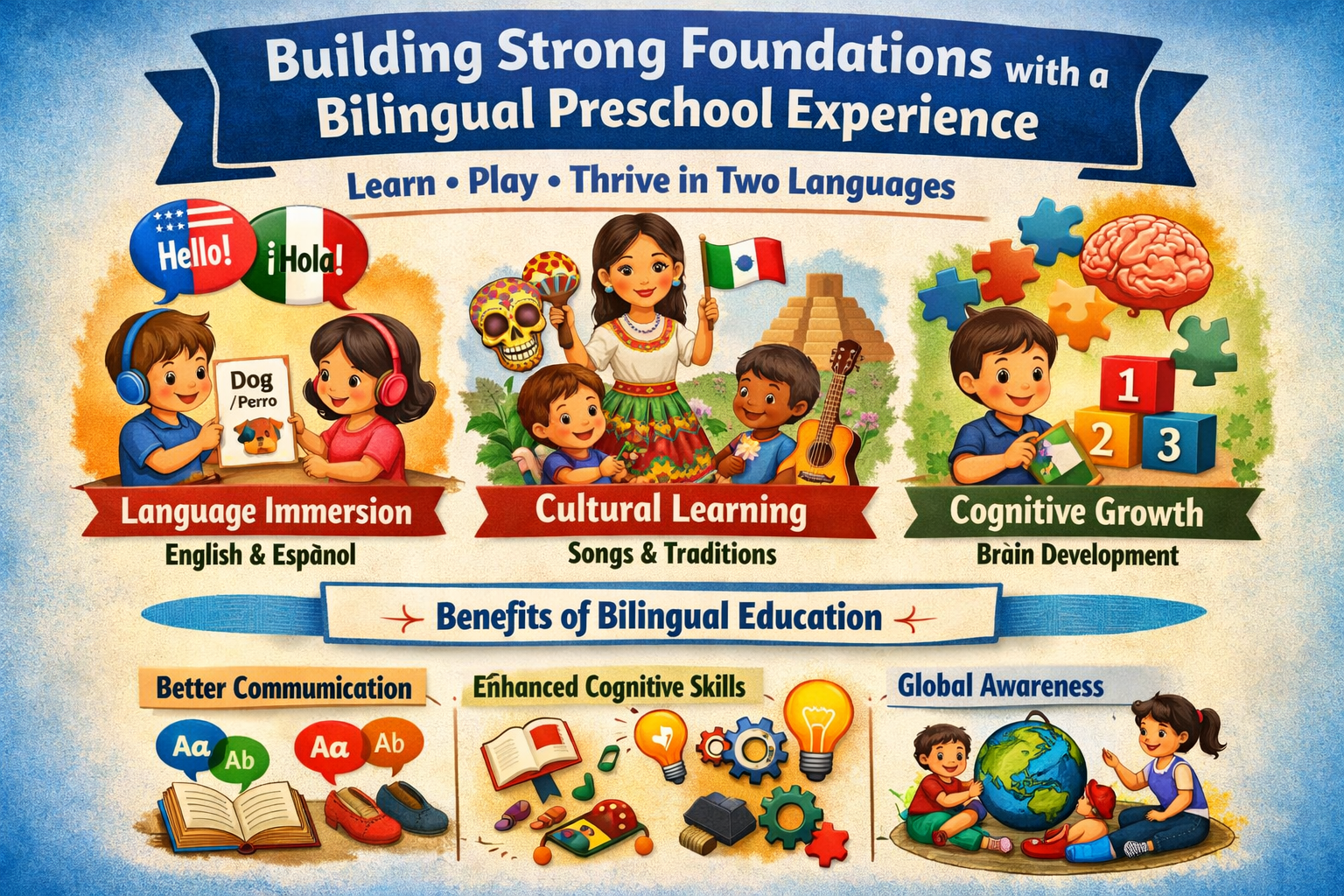
Choosing early education is one of the most important decisions parents make, especially when language development is part of the picture. A bilingual preschool environment offers children the unique opportunity to develop fluency in two languages during their most critical learning years. At this stage, young minds absorb sounds, patterns, and vocabulary naturally, making preschool an ideal time to introduce bilingual learning.
In today’s interconnected world, bilingualism is no longer just an academic advantage—it is a life skill. Parents are increasingly looking for early education programs that go beyond basic literacy and numeracy. They want environments where children build cultural awareness, communication flexibility, and cognitive strength from an early age.
A bilingual preschool provides exactly that balance. It integrates language learning into daily routines, play-based activities, and social interaction. Instead of treating a second language as a subject, it becomes part of how children explore their world.
Understanding the Concept of a Bilingual Preschool
A bilingual preschool is an early childhood education setting where two languages are used consistently for instruction, communication, and learning activities. Typically, one language is the dominant community language, while the second language is introduced through structured immersion and interaction.
What makes this approach powerful is its natural integration. Children do not sit through grammar lessons. Instead, they learn through songs, storytelling, games, and daily conversation. For example, a teacher might guide morning routines in English while using Spanish during group play or storytelling sessions.
This consistent exposure allows children to build comprehension first, followed by gradual speaking ability. Over time, they begin to switch between languages with ease, often without consciously realizing it.
Research in early childhood development consistently shows that children in bilingual environments develop stronger cognitive flexibility, better problem-solving skills, and improved memory retention. These benefits extend far beyond language learning and positively influence overall academic performance.
Step-by-Step Guide to a Successful Bilingual Preschool Experience
Implementing or choosing the right bilingual preschool requires thoughtful planning. Whether you are a parent or educator, understanding how these programs function helps ensure long-term success.
The first step is exposure through consistency. Children need regular interaction with both languages every day. This does not mean splitting time equally in rigid blocks. Instead, it focuses on natural integration where each language has a purpose in the classroom.
Next comes contextual learning. Language should always be connected to action or meaning. For example, during snack time, teachers might use one language to name foods and another to discuss colors or textures. This helps children associate words with real-world experiences.
Another important step is creating emotional comfort. Children learn best when they feel safe. A bilingual preschool should maintain a warm, supportive environment where language mistakes are treated as part of learning, not corrected harshly.
Building Language Through Daily Activities
Daily routines play a critical role in language acquisition. Simple tasks like greeting teachers, cleaning up toys, or lining up for activities become powerful learning moments. Repetition helps reinforce vocabulary naturally.
Songs and rhymes are especially effective. They introduce rhythm, pronunciation, and memory patterns that make language easier to retain. Storytelling sessions also help children connect emotions with vocabulary, deepening understanding.
Role of Teachers in Language Development
Teachers in bilingual preschools are more than instructors; they are language models. Their consistency, tone, and interaction style shape how children perceive and use both languages.
Effective educators use gestures, visuals, and repetition to support understanding. They also encourage peer interaction, allowing children to learn from one another in both languages.
Common Mistakes or Challenges in Bilingual Preschool Settings
While bilingual education offers many advantages, certain challenges can impact its effectiveness if not addressed properly.
One common mistake is inconsistent language exposure. If one language dominates too heavily, children may struggle to develop balanced fluency. On the other hand, switching languages too abruptly can confuse learners.
Another challenge is unrealistic expectations. Some parents expect children to become fluent within a few months. In reality, bilingual development is gradual and varies from child to child. Pressure can negatively affect confidence and willingness to communicate.
A further issue is lack of trained educators. Not all teachers are equipped to manage bilingual environments effectively. Without proper training, language instruction may become fragmented or ineffective.
Finally, limited home reinforcement can slow progress. If children only experience one language at school, their exposure becomes insufficient for full development. Consistency between home and school environments is important for success.
Practical Tips and Expert Recommendations
Experts in early childhood education emphasize a few key strategies for maximizing the benefits of bilingual preschool programs.
First, maintain natural language use. Avoid forcing children to translate or memorize vocabulary lists. Instead, let them acquire language through interaction and repetition.
Second, encourage storytelling at home. Parents can read books, describe daily routines, or play simple word games in both languages. Even short, consistent exposure makes a meaningful difference.
Third, focus on comprehension before correction. Children often understand more than they can express. Allowing them to respond in their preferred language initially helps build confidence.
Fourth, integrate cultural elements. Language is deeply tied to culture, so including music, traditions, and celebrations from both language backgrounds enriches the learning experience.
Fifth, prioritize emotional engagement. Children learn best when they are curious and excited. Activities should feel like play rather than structured lessons.
Conclusion
A bilingual preschool offers more than just early language learning—it builds a foundation for cognitive growth, cultural awareness, and lifelong communication skills. By integrating two languages into everyday experiences, children develop natural fluency without pressure or memorization.
Success in bilingual education depends on consistency, supportive teaching, and realistic expectations. When implemented thoughtfully, it becomes a powerful tool that shapes confident, adaptable learners ready for a global future.
For parents considering early education options, understanding how bilingual environments work can make a meaningful difference in choosing the right start for their child’s development.
