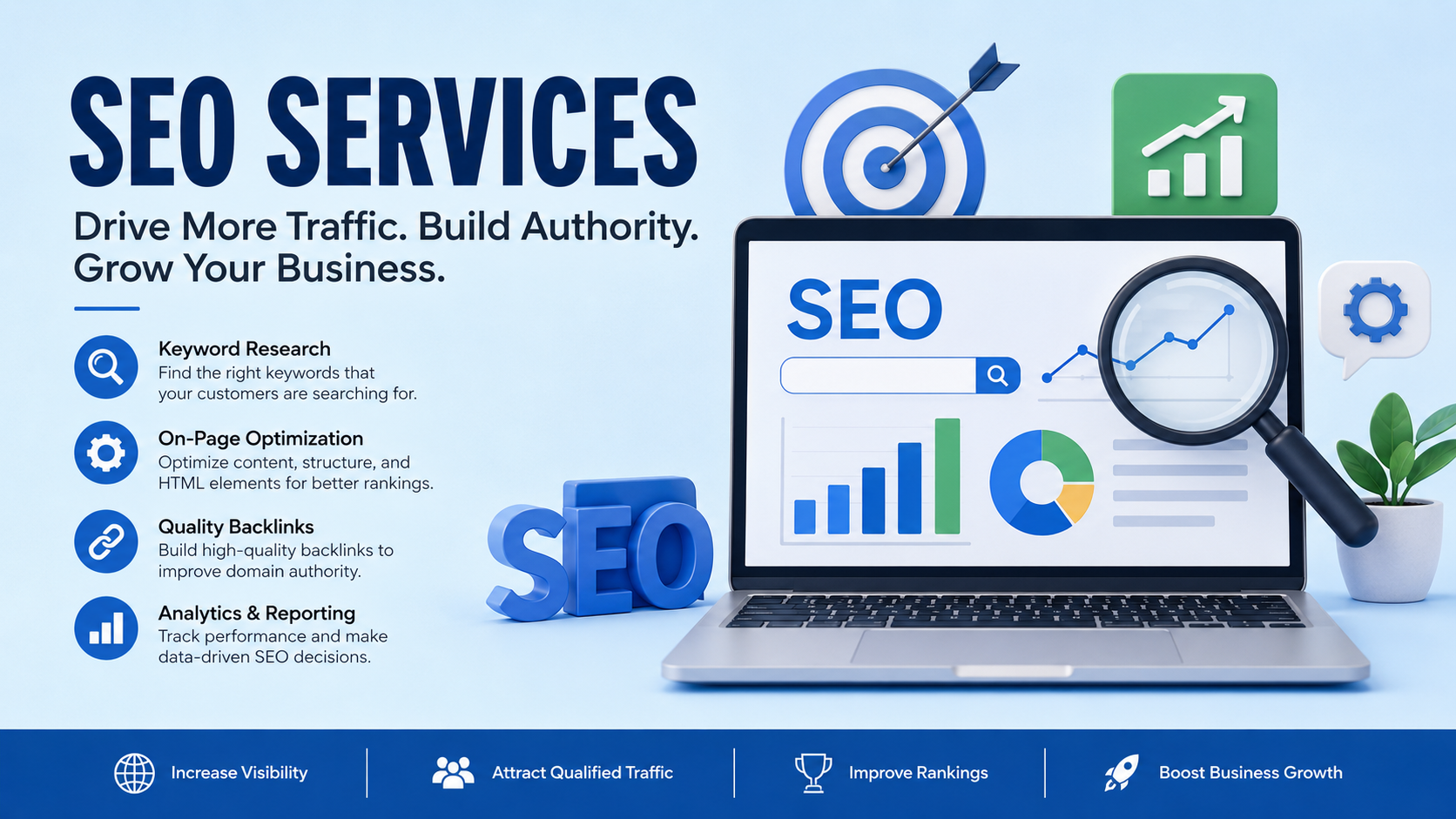
Every business wants visibility online, but gaining consistent traffic has become far more difficult than simply publishing a website. Search engines now prioritize relevance, trust, expertise, and user experience. As a result, businesses that fail to invest in long-term optimization often struggle to compete, even when they offer excellent products or services.
For many organizations, understanding how modern seo services work can help clarify why search visibility requires more than basic keyword placement. Effective SEO involves technical improvements, content quality, strategic planning, audience targeting, and continuous performance analysis. Companies that approach SEO strategically are more likely to build sustainable traffic instead of depending entirely on paid advertising.
The digital landscape also changes rapidly. Search algorithms evolve, consumer behavior shifts, and competition increases across nearly every industry. Businesses that adapt to these changes can strengthen brand authority, improve customer trust, and create reliable lead generation channels over time.
Understanding What SEO Services Actually Include
SEO services cover a wide range of activities designed to improve a website’s visibility in search engine results. While many people associate SEO only with keywords, modern optimization involves several interconnected areas.
Technical SEO focuses on website performance and structure. This includes improving loading speed, fixing crawl issues, optimizing mobile usability, and ensuring proper indexing. Even strong content can underperform if technical problems prevent search engines from understanding the site properly.
On-page SEO centers on content optimization. This includes creating useful pages, organizing headings correctly, improving readability, and matching content with user intent. Search engines reward pages that solve real problems for users rather than pages written solely for rankings.
Off-page SEO involves authority building through mentions, references, and high-quality backlinks from credible sources. Strong authority signals help search engines determine whether a website deserves higher visibility.
Local SEO helps businesses appear in location-based searches. This is especially important for service companies, medical practices, restaurants, contractors, and retail stores targeting nearby customers.
Content strategy is another essential component. Businesses that publish helpful, well-structured content consistently often gain stronger long-term organic traffic. Educational content can answer customer questions before they even contact the company.
A Step-by-Step Strategy for Effective SEO Growth
SEO success rarely happens overnight. Sustainable growth usually follows a structured process that combines research, optimization, and consistent improvement.
Start With Audience and Search Intent Research
Many businesses make the mistake of targeting broad keywords without understanding what users actually want. Search intent matters because search engines prioritize pages that best satisfy user expectations.
For example, someone searching “best accounting software for freelancers” likely wants comparisons and reviews. Meanwhile, a search for “how to file freelance taxes” signals an informational need. These users require different types of content.
A strong SEO strategy begins with identifying:
- Customer pain points
- Common search questions
- Purchase intent keywords
- Industry-specific topics
- Competitor content gaps
Businesses that align content with real search intent often achieve better engagement and lower bounce rates.
Improve Technical Website Performance
Website performance strongly affects both rankings and user experience. Slow websites frustrate visitors and increase abandonment rates.
Technical optimization typically includes:
- Compressing large images
- Improving server response times
- Fixing broken links
- Enhancing mobile responsiveness
- Creating clean site architecture
- Implementing secure HTTPS connections
For example, an e-commerce store that reduces page load time from five seconds to two seconds may see measurable improvements in conversion rates and organic traffic retention.
Create Helpful, Experience-Based Content
Generic content rarely performs well anymore. Search engines increasingly prioritize pages that demonstrate real expertise and practical value.
Instead of publishing shallow articles stuffed with keywords, businesses should focus on solving real problems. Practical examples, case studies, and firsthand insights help establish credibility.
A home improvement company, for instance, may publish detailed guides explaining renovation costs, seasonal maintenance tips, or material comparisons. This type of content attracts users naturally because it provides immediate value.
Consistency also matters. Publishing one strong article every week is often more effective than uploading large amounts of low-quality content at once.
Build Authority Through Trust Signals
Search engines evaluate whether a website appears trustworthy and authoritative within its industry.
Authority-building strategies may include:
- Earning mentions from reputable websites
- Publishing expert-driven content
- Maintaining accurate business information
- Encouraging authentic customer reviews
- Demonstrating transparent business practices
Brands with strong reputations tend to perform better in competitive search environments because users engage with them more confidently.
Common SEO Mistakes Businesses Still Make
Despite the growing availability of SEO information, many organizations continue making avoidable mistakes that limit their growth potential.
One major issue is chasing rankings instead of focusing on user value. Ranking highly for irrelevant keywords may increase traffic temporarily, but it rarely improves conversions or customer engagement.
Another common mistake is neglecting technical maintenance. Broken pages, duplicate content, and poor mobile experiences can damage performance even when content quality is strong.
Some businesses also expect immediate results. SEO is a long-term strategy, not a quick fix. While certain improvements may produce early gains, meaningful authority building often requires several months of consistent effort.
Overusing Keywords
Keyword stuffing remains one of the most damaging outdated practices. Repeating phrases unnaturally makes content difficult to read and reduces overall quality.
Modern SEO works best when keywords appear naturally within valuable content. Search engines now understand context, related topics, and semantic meaning far better than in previous years.
Ignoring Content Updates
Outdated content can gradually lose rankings as competitors publish fresher and more relevant information.
Businesses should regularly review older articles to:
- Update statistics
- Improve clarity
- Add new insights
- Fix outdated references
- Expand useful sections
Refreshing existing content is often more efficient than constantly creating new pages from scratch.
Practical SEO Tips From Industry Experience
Businesses that succeed with SEO typically treat it as an ongoing business process rather than a one-time project.
One effective approach involves creating topic clusters. Instead of publishing isolated articles, companies can build groups of related content connected around a central subject. This helps search engines understand expertise depth while improving user navigation.
Another practical strategy is focusing on conversion intent. Traffic alone does not guarantee business growth. Pages should guide users toward meaningful actions such as contacting the company, requesting estimates, or exploring relevant services.
Monitoring analytics also plays a major role. Data reveals how users interact with content, which pages drive engagement, and where visitors drop off. These insights help businesses improve performance continuously.
User experience should remain a top priority throughout every optimization effort. Clear navigation, readable formatting, and fast-loading pages improve both rankings and customer satisfaction.
Finally, businesses should avoid copying competitor strategies blindly. Every industry has different customer behaviors, competition levels, and search trends. SEO campaigns work best when tailored to specific audience needs and business goals.
Conclusion
SEO services have evolved into a comprehensive strategy focused on visibility, trust, user experience, and long-term growth. Businesses that approach SEO thoughtfully often gain stronger brand authority, higher-quality traffic, and more sustainable online performance over time.
Success depends on combining technical optimization, valuable content, audience understanding, and continuous improvement. Companies that prioritize helpful information and real user value are far more likely to maintain strong search visibility in an increasingly competitive digital environment.
