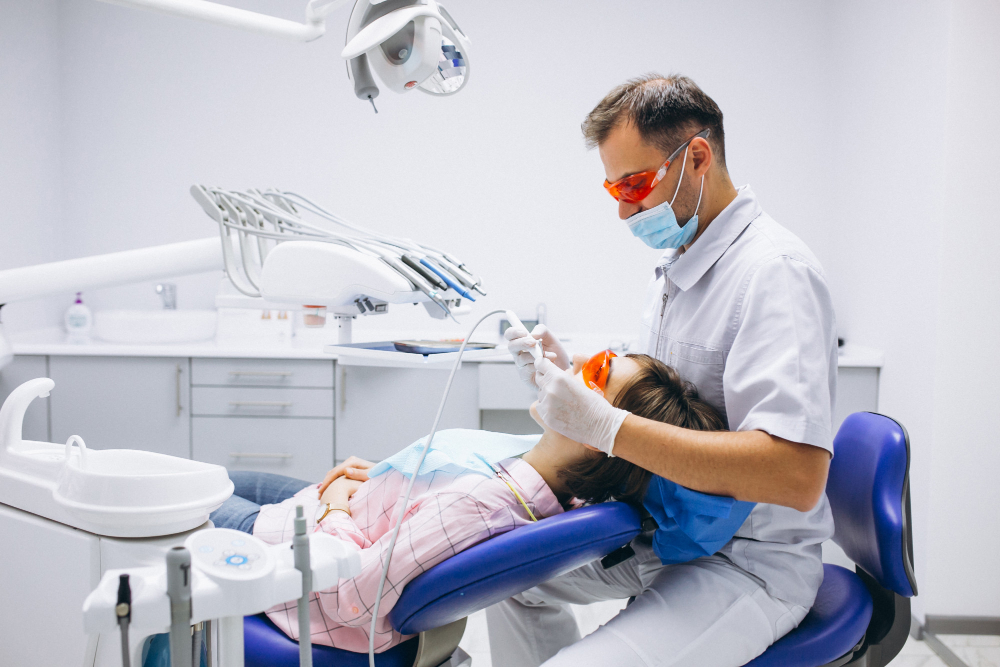
Maintaining oral health is essential for overall well-being, yet many people face common dental problems that can affect their daily lives. General dentistry plays a crucial role in preventing these issues before they escalate into serious conditions. Understanding these common problems and how general dentistry in Vernon addresses them empowers patients to take control of their dental health and achieve lasting smiles.
- Tooth Decay (Cavities)
Tooth decay, also called dental caries or cavities, is the most widespread dental problem worldwide. It happens when plaque bacteria produce acids from sugars and starches left on teeth after eating or drinking. These acids gradually dissolve the enamel, forming cavities. Left untreated, decay progresses to deeper layers of the tooth, causing pain, infections, and eventually tooth loss.
General dentistry provides professional cleanings, fluoride applications, and patient education on proper brushing and nutrition to combat decay and preserve tooth structure.
- Gum Disease (Gingivitis and Periodontitis)
Gum disease starts as gingivitis, a mild inflammation caused by plaque buildup at the gum line. Symptoms include red, swollen, and bleeding gums, often without discomfort, which makes early detection difficult.
If untreated, it advances to periodontitis, where gums pull away from teeth and supporting bone is lost, potentially leading to tooth mobility or loss. Regular cleanings, plaque removal, and instruction on effective brushing and flossing techniques are vital preventive measures provided by general dentistry.
- Bad Breath (Halitosis)
Persistently unpleasant mouth odor, or halitosis, can signal underlying dental or systemic problems. Causes include poor oral hygiene, plaque accumulation, gum disease, dry mouth, smoking, certain foods, and even medical conditions.
Dental professionals treat halitosis by identifying and addressing infections, removing plaque and tartar buildup, and advising patients on effective oral hygiene practices. They may also recommend lifestyle changes to improve breathing and overall oral health.
- Tooth Sensitivity
Tooth sensitivity occurs when the underlying dentin becomes exposed due to enamel loss or gum recession. Exposed dentin contains microscopic tubules that transmit sensations to nerve endings, leading to sharp pain or discomfort from thermal or chemical stimuli. Causes include erosion from acidic foods, aggressive brushing, decay, or gum disease.
Dentists provide treatments such as desensitizing agents and recommend proper brushing techniques and protective dental products to reduce sensitivity and prevent further damage. If you are searching for a reliable dentist near me, these early interventions can significantly improve comfort and prevent worsening conditions.
- Cracked or Chipped Teeth
Cracks and chips in teeth are often caused by trauma, grinding, or biting on hard substances. Such damage can be painful and leave teeth vulnerable to decay or infection. Early detection during routine exams allows for restorative treatments like bonding, crowns, or veneers to repair and strengthen the affected teeth. Additionally, general dentistry advises on preventive devices such as custom mouthguards and behavioral changes to reduce risks.
- Receding Gums
Gum recession exposes tooth roots, often resulting from gum disease, aggressive brushing, or genetics. This condition increases vulnerability to decay and sensitivity, and if left unmanaged, can compromise tooth stability.
Though irreversible, treatment options, including thorough professional cleanings, adjusted brushing habits, and, in advanced cases, gum graft surgeries, help halt progression. Regular dental care is essential to maintain gum health and prevent severe complications.
- Root Infections (Abscesses)
Root infections develop when bacteria infiltrate the dental pulp due to untreated decay or trauma. This causes inflammation, severe pain, swelling, and can lead to abscess formation.
If untreated, the infection may spread beyond the tooth, increasing health risks. Dentists diagnose infections via clinical exams and X-rays and treat them with procedures such as root canal therapy or tooth extraction to eliminate infection and preserve oral health.
- Enamel Erosion
Enamel erosion involves the gradual loss of the tooth’s protective outer layer caused by frequent acid exposure from diet or stomach acids. This deterioration increases tooth sensitivity and risk of decay.
Dentists educate patients about diet modifications, recommend fluoride treatments, and may apply protective sealants to safeguard enamel from further damage in preventive care visits.
- Teeth Grinding (Bruxism)
Bruxism is the involuntary grinding or clenching of teeth, often occurring during sleep, causing tooth wear, jaw pain, and headaches. General dentists diagnose bruxism during evaluations and offer customized nightguards to protect teeth and relieve symptoms. Stress management and lifestyle recommendations support comprehensive treatment.
- Dry Mouth Syndrome
Dry mouth, resulting from decreased saliva production due to medications, diseases, or aging, leads to increased risks of decay and infections because saliva neutralizes acids and clears debris. Dentists manage dry mouth by recommending saliva substitutes, specialized oral rinses, and hydration strategies to maintain oral moisture and prevent dental issues.
Keeping Smiles Healthy for Life
General dentistry serves as a vital prevention gateway against these common dental problems, ensuring better oral and overall health. Entrusting your care to dedicated professionals like those at Fleetwood Dental can help you maintain a healthy smile through early detection and personalized preventive strategies. Remember that ongoing care in general dentistry in Vernon is key to preserving your dental health for a lifetime.
