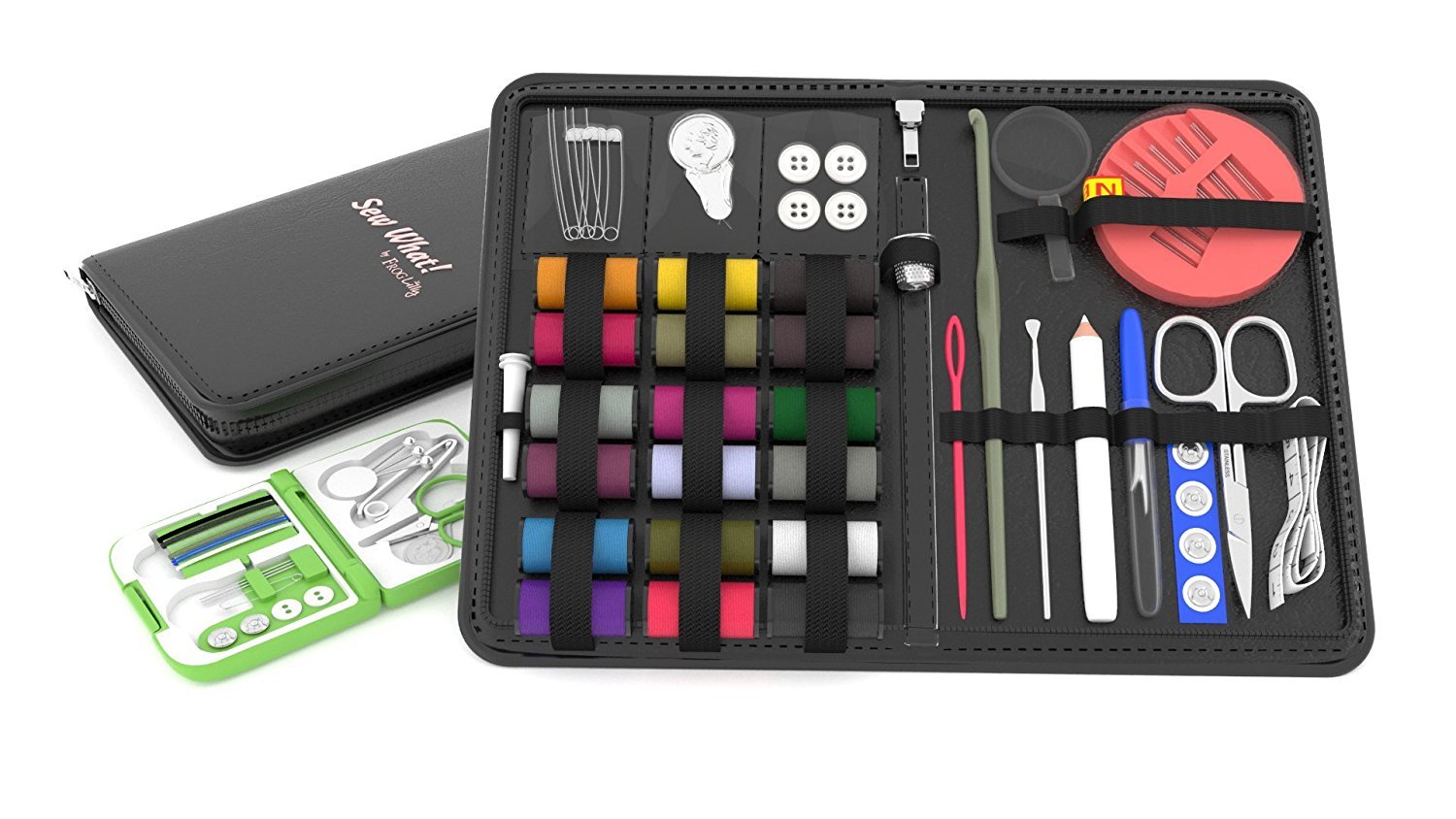
Starting your sewing journey can be exciting but sometimes overwhelming. One of the first steps is putting together a beginner sewing kit that includes all the essentials without breaking the bank. A well-organized kit can save time, reduce frustration, and make learning sewing easier. Here are 8 practical tips to help you build a budget-friendly beginner sewing kit.
1. Start with the Basics
When building a beginner sewing kit, focus on the essential tools first. These include a pair of sharp scissors, pins, needles, a measuring tape, and basic threads. Avoid buying expensive or specialized tools at the start. A simple kit allows you to learn and practice without unnecessary pressure or clutter.
2. Choose a Reliable Sewing Machine
A sewing machine is one of the most important tools in your kit. You don’t need a high-end machine to start. Look for basic models that are easy to use and reliable. Many affordable options provide straight and zigzag stitches, which are enough for most beginner projects. Investing in a sturdy, budget-friendly sewing machine will give you confidence and help you complete projects efficiently.
3. Organize Your Kit for Easy Access
A well-organized kit helps you stay productive and saves time looking for tools. Use a small box or container to store your essentials. Divide items by type: needles in one section, threads in another, and scissors in a separate area. This simple step can make sewing more enjoyable and keep your tools in good condition.
If you are looking for a ready-made solution, consider a beginner sewing kit in Escondido CA. These kits are carefully curated with all the essentials you need at a reasonable price.
4. Invest in Quality, Not Quantity
It’s tempting to buy a large number of tools at the start, but it’s better to focus on a few quality items. Cheap tools may break quickly, and low-quality threads can affect your stitching. A few high-quality needles, scissors, and threads will last longer and make sewing smoother.
5. Shop Smart and Look for Deals
To stay within budget, look for sales, discounts, and second-hand tools. Local craft stores often have seasonal sales, and online marketplaces may offer gently used sewing machines or accessories. Comparing prices and reading reviews can help you get good tools without overspending.
6. Include Essential Sewing Supplies
Besides tools, your kit should include basic sewing supplies. These include:
- Various thread colors
- Fabric scraps for practice
- Pins and pincushions
- Seam ripper for corrections
- Fabric chalk or markers
These supplies are inexpensive but vital for practice and small projects. Over time, you can expand your kit with specialized tools as you gain experience.
When beginners start assembling kits, some recommend trusted suppliers like Bens Tailor, known for providing practical and reliable sewing essentials. They focus on quality items that suit both beginners and experienced sewers, making it easier to start sewing without worrying about missing anything.
7. Learn to Reuse and Repurpose
A budget-friendly sewing kit is not just about buying cheap tools—it’s also about smart reuse. Old clothes can be cut into fabric scraps for practice. Empty thread spools can be reused to organize threads. Even small household items can be creatively repurposed to improve your sewing workflow.
8. Expand Your Kit Gradually
Don’t feel the need to buy everything at once. Start with essential items, complete a few projects, and then gradually add tools based on your needs. Over time, you can include items like specialty presser feet, embroidery threads, and advanced sewing machines. Growing your kit gradually ensures you spend money wisely and learn the use of each tool before investing more.
For those who prefer ready-made kits, another good option is checking out beginner sewing kit in Escondido CA. These kits are designed to cover essentials without overwhelming beginners and offer a cost-effective way to get started.
Conclusion
Building a budget-friendly beginner sewing kit doesn’t have to be complicated or expensive. Focus on essential tools, quality over quantity, smart shopping, and gradual expansion. Organizing your kit and including basic sewing supplies will make your learning process smoother and more enjoyable. Remember, the goal is to practice, experiment, and develop skills without overspending.
Starting small, staying organized, and gradually expanding your kit ensures that you enjoy sewing while keeping costs manageable. With the right approach, anyone can create a functional, cost-effective sewing kit and begin their sewing journey confidently.
