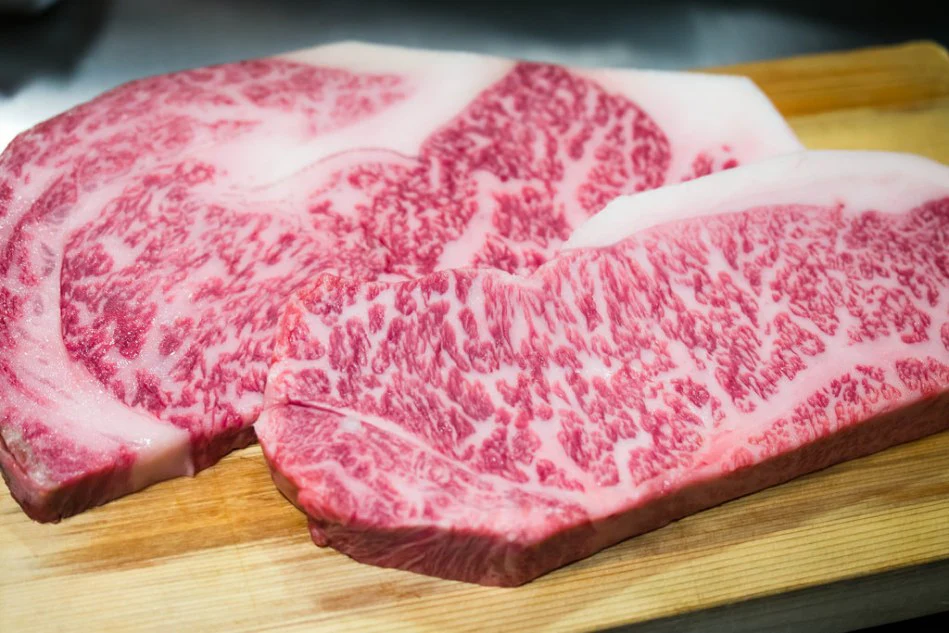
Wagyu beef is widely known as one of the most luxurious meats in the world. Its velvety tenderness, distinctive richness, and iconic snowflake marbling patterns set it apart from ordinary beef. While superior genetics certainly play a role in producing such high-quality meat, the real secret lies in the diet and care of Wagyu cattle. These animals are raised with extraordinary attention to detail, and their feeding process is slow, intentional, and carefully managed. To truly understand why Wagyu beef tastes so exceptional, it’s important to understand what these cows eat and how their diet shapes the final product.
The Importance of Diet in Wagyu Quality
Wagyu farming is built on the philosophy that nutrition, environment, and consistent care directly influence the flavor, tenderness, and marbling of the meat. Unlike commercial cattle that are often pushed to gain weight quickly, Wagyu cattle are grown slowly. Farmers focus on steady development, low-stress living conditions, and a nutrient-rich diet that encourages intramuscular fat growth. This fat becomes the marbling that gives Wagyu its melt-in-your-mouth texture. In other words, the diet is not just feed—it is a precise part of a quality-driven process.
Early Life Nutrition: The Calf Stage
The feeding journey of Wagyu cattle begins the moment they are born. During the early months, calves rely primarily on their mother’s milk, which is essential for building immunity, supporting early growth, and helping them develop a strong digestive system. After the initial months, farmers introduce soft feed such as high-quality hay, rice straw, and nutrient-balanced starter grains. Their food is easy to digest and intentionally mild, ensuring that calves grow at a natural pace without stressing their developing bodies. This earliest phase focuses entirely on building a healthy foundation that will later support marbling and muscle development.
Growing Period: Building the Foundation for Marbling
Once calves reach about ten months of age, they enter the growing or backgrounding stage. During this time, their diet becomes more structured and more directly connected to marbling development. Farmers gradually move them from basic forage to a richer mix of pasture grass, barley, wheat bran, alfalfa, rice bran, and corn-based feed. This phase is carefully monitored to avoid sudden weight gain or digestive stress. By allowing the cattle to grow steadily over several months, farmers encourage early intramuscular fat formation—the beginning of the marbling that Wagyu is known for. This stage is also where the environment plays a critical role. Wagyu cattle are often raised in calm, clean, and predictable surroundings because stress can negatively affect meat quality.
The Finishing Stage: The Heart of Wagyu Feeding
The finishing stage is the most important and longest part of the Wagyu feeding process. While commercial beef cattle are typically finished between fifteen and eighteen months, Wagyu cattle often remain on feed until they are twenty-eight to thirty-two months old, and sometimes even longer. This extended period is key to developing the delicate marbling that defines premium Wagyu beef.
The finishing diet is rich in energy and includes grains such as corn and barley, along with soybean meal, rice straw, potatoes, and beet pulp. Some farmers add small amounts of molasses or high-calorie blends to increase energy intake in a controlled manner. Unlike rapid fattening methods used in commercial operations, Wagyu feeding focuses on slow, consistent fat development inside the muscle fibers. This is why the meat develops a luxurious texture rather than just an external layer of fat. The cattle eat multiple small meals throughout the day, are kept in relaxed conditions, and are monitored continuously to maintain consistent growth without discomfort.
The Truth About Beer-Feeding Wagyu Cows
One of the most popular myths surrounding Wagyu beef is that the cows are given beer to drink. While this idea is widely circulated and often repeated in food shows and social media, the truth is more grounded. Only a few traditional farms in Japan used to give beer during extreme summer heat to stimulate the cattle’s appetite when temperatures reduced their feed consumption. This was never a standard practice and is rarely used today. Modern Wagyu farmers focus on nutrition, environmental comfort, and proper feed scheduling rather than unusual feeding methods. The beer legend continues because it’s interesting, but it is not representative of how Wagyu cattle are raised today.
Differences Between Japanese and Western Wagyu Feeding
The diet of Wagyu cattle varies depending on where they are raised. In Japan, the feeding system is highly regulated and rooted in tradition. Farmers commonly use local ingredients such as rice straw, rice bran, barley, corn silage, and soybeans. Their feeding philosophy emphasizes patience and precision, sometimes with individual feeding plans for each animal. This slow, meticulous approach results in the extremely fine marbling seen in Japanese Wagyu.
In Western countries such as the United States and Australia, the approach differs slightly. Wagyu cattle often begin on pasture and then transition to a long grain-finishing program. These feeding programs still focus on slow weight gain and marbling, but the ingredients may include more corn-based feeds and local forage blends. Western Wagyu develops a slightly bolder beef flavor while maintaining an exceptionally tender texture, creating a unique profile compared to Japanese Wagyu.
Nutritional Support and Supplements in Wagyu Feeding
Throughout the feeding process, Wagyu cattle may also receive nutritional support to maintain health, support digestion, and encourage optimal marbling. Farmers often use carefully regulated vitamin and mineral supplements such as calcium, magnesium, and phosphorus, as well as amino acids and digestive balancers. Vitamin A levels are sometimes controlled because lower Vitamin A intake has been linked to improved marbling development. These additions are not used to speed up growth but to ensure the cattle remain healthy, comfortable, and primed for natural fat distribution.
How Diet Influences Flavor, Texture, and Health Benefits
The diet of Wagyu cattle has a direct impact on the characteristics of the final beef. Because the feeding process is slow and intentional, the intramuscular fat grows evenly throughout the muscle fibers. This fat is softer and has a lower melting point than the fat found in regular beef, which is why Wagyu literally melts on the tongue. The texture becomes silky, the flavor becomes buttery and rich, and the meat maintains a tenderness that is difficult to achieve with other breeds.
Interestingly, Wagyu fat is also considered healthier than ordinary beef fat because it contains higher levels of monounsaturated fats and omega fatty acids. The controlled diet helps develop fat that is both flavorful and nutritionally superior, making Wagyu one of the rare meats that feels indulgent but not heavy.
A Stress-Free Feeding Approach
Wagyu farmers understand that the quality of the beef is closely tied not just to what the cows eat, but how they live. Stress raises cortisol levels, which can negatively affect fat deposition and meat texture. To prevent this, Wagyu cattle are raised in calm facilities, provided with clean bedding, and handled gently. Feeding schedules are consistent, living spaces are kept clean, and physical stress is minimized throughout their life. Some farms even keep detailed records of each cow’s feed intake and behavior.
Conclusion: The Diet Behind Luxury Wagyu Beef
Wagyu cows eat a deliberate, nutrient-rich diet that develops marbling, enhances flavor, and supports long-term health. From milk and soft forage in early life, to balanced grains during growth, to high-energy finishing feed, every stage of their diet is designed to produce exceptional beef. Combined with low-stress living conditions and patient farming practices, this feeding approach transforms Wagyu into one of the most premium meats in the world. The result is beef that is tender, rich, and unlike anything produced through ordinary cattle feeding systems.
