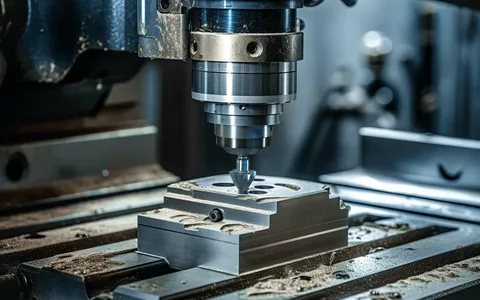
Manufacturing today demands precision, speed, and consistency more than ever before. From aerospace and automotive to medical devices and electronics, companies are turning to advanced solutions to meet tight tolerances and rapid production timelines. One of the most essential technologies enabling this transformation is CNC Machining. It offers a highly controlled and repeatable method of producing complex parts with extreme accuracy, making it the backbone of many modern industrial operations.
By automating the movement of tools with digital instructions, CNC machining eliminates human error and increases production reliability. Whether you’re prototyping a new design or scaling for mass production, CNC machining is the go-to process that balances flexibility, quality, and efficiency.
How CNC Machining Works
CNC, which stands for Computer Numerical Control, refers to a manufacturing process in which computer software is used to automate the control of machine tools. These tools include mills, lathes, routers, and grinders, which remove material from a solid block to form the desired part. The digital instructions are derived from a CAD (Computer-Aided Design) model and then translated into a language that the machine can understand.
This method ensures consistent part dimensions and allows for tight tolerances that are often impossible to achieve with manual machining. Once programmed, the machine can produce the same part repeatedly with minimal variation, even across high-volume production runs.
CNC machining is compatible with a wide range of materials. Metals like aluminum, stainless steel, and titanium are commonly used, as well as engineering plastics such as PEEK, ABS, and nylon. This material versatility means CNC machining is not limited to any one industry. It’s used for everything from custom automotive parts to medical implants and industrial tooling.
Another key feature is its scalability. CNC machines are excellent for prototyping due to their ability to quickly adapt to design changes. At the same time, they are also ideal for full-scale production, thanks to their automation and speed. This flexibility is one of the reasons why CNC machining is suitable for both startups and global manufacturers alike.
Modern CNC machines operate in multiple axes, with 3-axis, 4-axis, and even 5-axis configurations. The more axes a machine has, the more complex the parts it can produce. This is crucial for industries like aerospace, where intricate components are the norm. Multi-axis capabilities allow for fewer setups and higher accuracy, which translates to better quality and lower costs over time.
Why CNC Machining Is Essential in Today’s Manufacturing
One of the most significant benefits of CNC machining is its unmatched precision. Manufacturers often require tolerances within a few microns, especially in sectors like medical and aerospace. Manual processes simply cannot match this level of accuracy. CNC machining delivers consistent results, no matter the quantity, which reduces waste and ensures reliability.
Speed is another critical factor. CNC machines can operate 24/7 with minimal supervision, drastically reducing production times. Once a program is loaded and materials are prepared, the machine does the rest, producing high-quality parts faster than traditional methods. This speed-to-market advantage helps companies meet tight deadlines and adapt to demand surges.
Moreover, CNC machining contributes to cost savings. Though the initial setup might require some investment in programming and tooling, the long-term benefits are clear. Reduced labor, lower scrap rates, and minimized rework result in overall production efficiency. It also eliminates the need for costly molds or casting tools, which are typically required in other manufacturing methods.
Design flexibility is another advantage. With CNC machining, engineers have the freedom to design complex geometries without being limited by traditional manufacturing constraints. Internal channels, undercuts, and non-linear features can all be produced accurately. And if a design needs to be modified, updates can be made to the digital file and implemented immediately, without the need to retool the entire system.
In addition to part production, CNC machining is often used for creating tooling, fixtures, and jigs that aid in other manufacturing processes. Its role as both a direct and supportive technology makes it even more valuable in an integrated manufacturing environment.
What to Look for in a CNC Machining Partner
Choosing the right CNC machining partner can significantly impact the success of your project. Not all service providers are created equal, so it’s essential to evaluate a few key factors before making a decision. First, assess their technical capabilities. A modern machine shop should offer multi-axis machining, material flexibility, and advanced CAM software support.
Experience matters too. A provider with a proven track record in your specific industry is more likely to understand the unique challenges your components may face. This includes tolerance requirements, material behavior, and compliance standards. Industry expertise can save time during design reviews and reduce the risk of production delays.
Quality assurance is another critical aspect. Look for shops that follow strict quality control procedures, including in-process inspections and final part verification using tools like Coordinate Measuring Machines (CMMs). Certifications such as ISO 9001 demonstrate a commitment to consistent manufacturing practices.
Communication and support also play a vital role. A strong CNC partner will collaborate with your engineering team, provide feedback on design optimizations, and be transparent about timelines and costs. The ability to adapt quickly to changes or urgent demands can be a significant asset in dynamic industries.
Finally, consider post-machining services. A full-service partner can offer additional capabilities such as heat treating, surface finishing, and assembly, helping to streamline your supply chain and reduce lead times.
Conclusion: CNC Machining Drives the Future of Precision Manufacturing
CNC machining is a cornerstone of modern manufacturing, offering unmatched precision, speed, and flexibility. Its ability to handle complex designs, tight tolerances, and various materials makes it a reliable solution for countless industries. Whether you’re building a prototype or scaling up for mass production, this technology delivers the performance and consistency today’s manufacturers require.
By investing in CNC Machining, businesses unlock the power to innovate faster, improve quality, and reduce costs. Partnering with a capable and experienced machining provider ensures every part is built to the highest standards—on time, every time.
