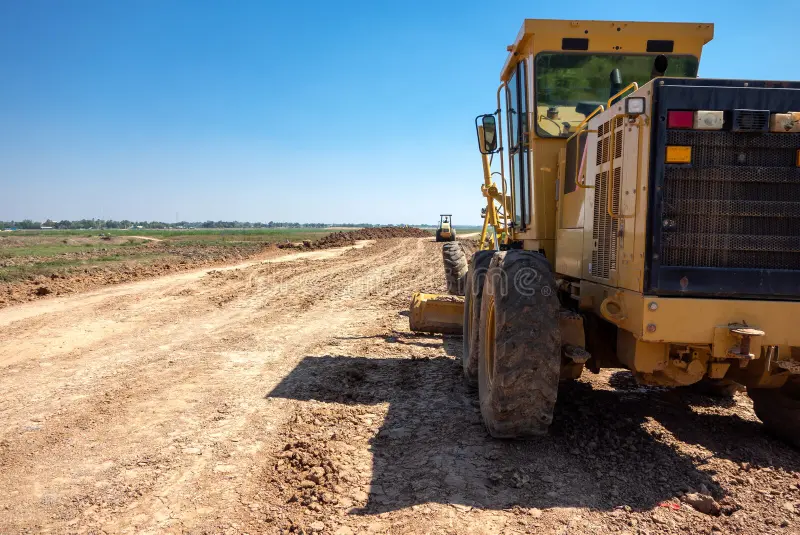
Land grading is a critical process in construction, landscaping, and agriculture. It involves leveling or sloping the ground to create a stable base for buildings, manage water flow, and ensure the long-term integrity of the land. Whether for residential development, commercial construction, or farmland preparation, land grading plays a foundational role in shaping a site for future use. This article explores the purpose, methods, benefits, and considerations involved in land grading.
What Is Land Grading?
Land grading refers to the reshaping of the ground surface to a planned contour. This process can include cutting (removing soil), filling (adding soil), compacting, and smoothing the terrain. The objective is to prepare land for construction, prevent water drainage issues, improve aesthetics, and enhance soil performance for planting or building.
The grading process is generally undertaken by civil engineers or grading contractors who use machinery such as bulldozers, graders, and backhoes to adjust the land’s elevation according to a site plan. Precise measurements and designs are crucial because improper grading can lead to drainage issues, structural instability, or erosion.
Purpose of Land Grading
The primary reason for land grading near me is to ensure a site is safe and suitable for its intended use. In construction, land must be stable and properly drained to support foundations. In landscaping, grading shapes the terrain to enhance visual appeal and prevent water accumulation. In agriculture, grading helps optimize irrigation and prevent soil erosion.
Another important aspect of grading is the control of stormwater. Proper grading directs runoff away from structures and toward designated drainage areas. Without it, water may pool around foundations, causing long-term structural damage or flooding.
Land Grading in Construction
Preparing the Site
Before construction begins, the land must be surveyed to determine existing elevations. Engineers develop a grading plan that outlines the proposed elevations, slopes, and contours. This plan ensures that the foundation of the building will be level and that water will flow away from the structure.
Clearing the land is the next step. Vegetation, debris, and any unwanted materials are removed to expose the soil. Then, earth-moving equipment is used to cut high spots and fill low spots to reach the desired grade.
Drainage Considerations
In residential construction, grading typically includes a slope away from the building—often a minimum of 5 percent for the first 10 feet. This slope helps keep water away from foundations. For large developments, stormwater detention systems may be included in the grading plan to manage runoff efficiently.
Grading for roads and driveways is also essential. These surfaces must be level enough for safe use, but they also require a crown or cross-slope to prevent water from pooling.
Land Grading in Landscaping
Enhancing Aesthetics and Function
Landscaping often involves both functional and aesthetic goals. Grading in landscaping can be used to create terraces, berms, or slopes that improve the appearance of a yard or garden. At the same time, these features must support proper drainage to avoid waterlogging or erosion.
Topsoil is typically added after the primary grading to promote plant growth. Grading also helps prevent standing water that can attract pests and damage turf or garden beds.
Lawn and Garden Benefits
For lawns, a gentle slope away from the house helps water flow properly and prevents root rot. In gardens, graded beds can be designed to capture and distribute water more evenly, improving irrigation and soil health. Strategic grading can also reduce the impact of heavy rains, preventing soil from washing away and preserving nutrients.
Land Grading in Agriculture
Irrigation and Soil Preservation
In agricultural settings, land grading is used to facilitate irrigation and prevent erosion. Laser-guided land leveling systems are commonly employed in modern agriculture to ensure uniform slopes that support efficient water distribution. Fields that are too uneven can lead to water pooling or poor crop yields.
Contour grading is another technique used in agriculture, particularly in hilly or sloped terrain. This method follows the natural shape of the land, creating ridges and furrows that slow water flow and reduce erosion risks.
Crop Optimization
Proper grading can also influence the microclimate of a field. For instance, slight slopes can improve sunlight exposure and air circulation, which benefit crop development. Good land grading ensures that every part of a field receives consistent water and nutrients, maximizing overall productivity.
Techniques and Equipment Used in Grading
Grading involves both manual and mechanical methods. Traditional hand tools may be used for small areas, but large-scale grading typically requires heavy machinery. Bulldozers push large volumes of earth, motor graders provide precision contouring, and compactors ensure the soil is stable and dense.
Advanced technologies, such as GPS and laser leveling systems, are increasingly common in both construction and agriculture. These tools improve accuracy, efficiency, and consistency. Surveying equipment is used to confirm that the final grade matches the design specifications before construction or planting begins.
Environmental and Legal Considerations
Grading can significantly impact the environment, especially in areas with fragile ecosystems. Erosion, sedimentation in waterways, and loss of topsoil are common concerns. For this reason, local authorities often require grading permits and environmental impact assessments before major grading projects can proceed.
Best practices in sustainable grading include preserving existing vegetation, using silt fences to control erosion, and incorporating green infrastructure such as bioswales and rain gardens. These methods help minimize the negative effects of grading while supporting effective water management.
Conclusion
Land grading is an essential step in preparing land for construction, landscaping, or agriculture. It ensures stability, supports effective water management, and enhances the usability and appearance of the terrain. Whether for a backyard project or a large commercial development, proper grading requires careful planning, the right equipment, and a thorough understanding of the site’s characteristics. When executed correctly, land grading not only protects investments but also contributes to sustainable and efficient land use.
