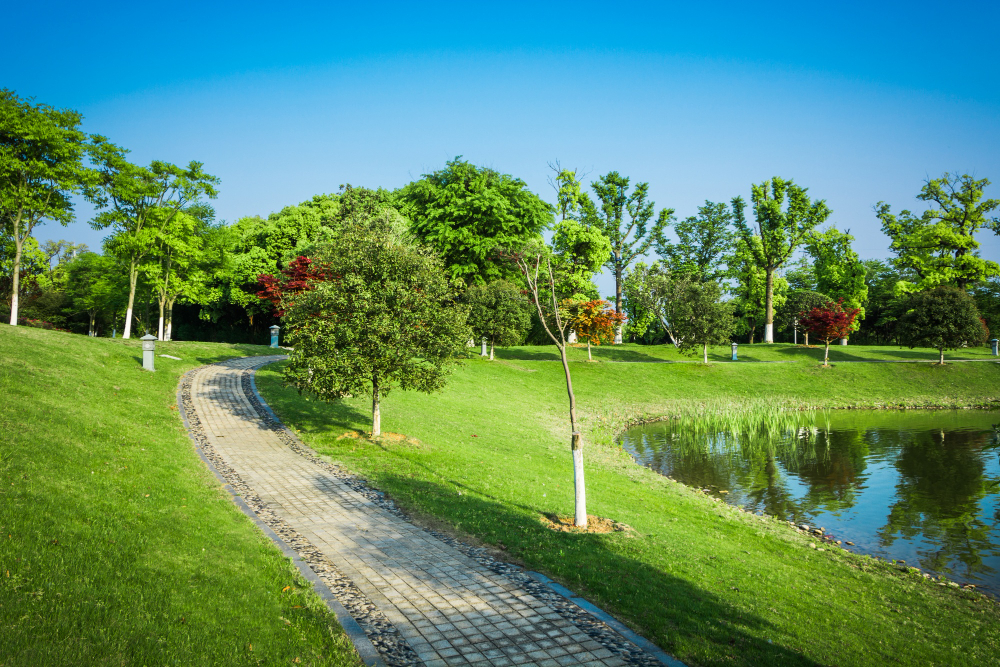
A beautiful yard should not require hours of work every week. In Simi Valley, smart landscape choices can reduce watering, pruning, and routine maintenance.
Hot, dry conditions can quickly make the wrong plants and lawn difficult to manage. The solution is to design your yard around local conditions from the beginning.
A low-maintenance landscape uses suitable plants, efficient irrigation, durable materials, and practical design. These choices help your outdoor space stay attractive without constant upkeep.
Start With a Simple Landscape Plan
Before choosing plants, look at your yard’s sunlight, soil, drainage, and available space. These details help you choose features that can thrive with less attention.
Think about how you want to use each part of the property. A seating area may need shade, while walkways need durable surfaces and clear access.
A simple plan can also prevent overcrowding. Leave enough space between plants so they can grow without frequent trimming.
Choose Plants That Fit the Local Climate
Plant selection is one of the most important parts of low-maintenance landscaping. Choose plants that can handle heat and need less supplemental water.
Native and drought-tolerant plants are often excellent choices for Simi Valley yards. They can also provide colour, texture, and seasonal interest without demanding constant care.
Consider adding a mix of shrubs, grasses, groundcovers, and flowering plants. Different plant shapes can create visual interest without requiring complicated garden features.
Useful choices may include:
- California native plants
- Drought-tolerant shrubs
- Ornamental grasses
- Low-water groundcovers
- Climate-friendly flowering plants
- Small trees suited to local conditions
Always check each plant’s mature size before planting. This simple step can reduce future pruning and prevent plants from crowding one another.
Reduce Lawn Where Possible
Traditional lawns can require regular mowing, watering, edging, and fertilising. Reducing lawn areas can make your yard easier to maintain.
You do not need to remove every section of grass. Instead, consider keeping lawn where it provides a useful space for children, pets, or outdoor activities.
Replace unnecessary lawn with planting beds, pathways, gravel, or other suitable landscape features. These areas can add structure while reducing routine maintenance.
Install an Efficient Irrigation System
Watering can become one of the biggest maintenance tasks in a landscape. An efficient irrigation system can deliver water where plants need it most.
Drip irrigation can provide water directly around plant roots. Proper scheduling can also help prevent unnecessary watering and reduce runoff.
Check irrigation lines regularly for leaks, broken emitters, and blocked components. Fixing small problems early can prevent wasted water and stressed plants.
Use Mulch to Make Maintenance Easier
Mulch is a simple addition that can provide several benefits. It helps cover bare soil, reduce evaporation, and limit weed growth.
Organic mulch can also improve soil as it breaks down over time. Keep mulch away from direct contact with plant stems and tree trunks.
Apply a suitable layer around plants without creating large piles. Refresh the material when needed to keep beds looking neat and protected.
Add Hardscaping for Structure
Hardscaping can reduce the amount of space that needs regular plant care. Paths, patios, seating areas, and decorative rock can create useful outdoor zones.
Choose materials that can handle outdoor conditions and fit your home’s style. A thoughtful combination of plants and hardscape can make the yard look complete.
Work with experienced professionals when the project involves grading, drainage, or complex construction. Goers Landscape can help homeowners create outdoor spaces around their property’s needs.
Consider Professional Landscaping Services
Creating a low-maintenance yard involves more than simply choosing drought-tolerant plants. Placement, irrigation, drainage, soil preparation, and spacing all affect long-term results.
Professional landscaping Simi Valley services can help bring these elements together into one practical design. This approach can make your landscape easier to manage while keeping its appearance attractive.
A professional can also identify areas that may create future maintenance problems. Correcting those issues during installation can save time and effort later.
Keep the Design Simple
Complicated landscapes often require more care. Too many plant varieties, narrow garden beds, and delicate features can increase routine work.
Instead, repeat several plant types across the yard. Repetition creates a clean appearance and makes watering, pruning, and replacement easier.
Group plants with similar water and sunlight needs together. This makes irrigation more efficient and helps prevent some plants from receiving too much or too little water.
Follow a Simple Maintenance Routine
Even low-maintenance landscapes need occasional care. A simple routine can prevent small problems from becoming expensive repairs.
Focus on removing weeds, checking irrigation, trimming when necessary, and clearing dead plant material. Seasonal inspections can also help identify drainage or plant health issues.
Avoid excessive pruning simply to maintain a specific shape. Choosing plants with suitable mature sizes can reduce this task from the start.
Build a Yard That Works for You
A low-maintenance landscape should fit your lifestyle, property, and local conditions. The best design combines beauty with practical features that reduce unnecessary work.
Start with the areas that create the most maintenance. Then replace demanding features with suitable plants, efficient irrigation, mulch, and durable hardscaping.
With careful planning, your Simi Valley yard can remain attractive without becoming a constant chore. The right landscape design gives you more time to enjoy your outdoor space and less time maintaining it.
