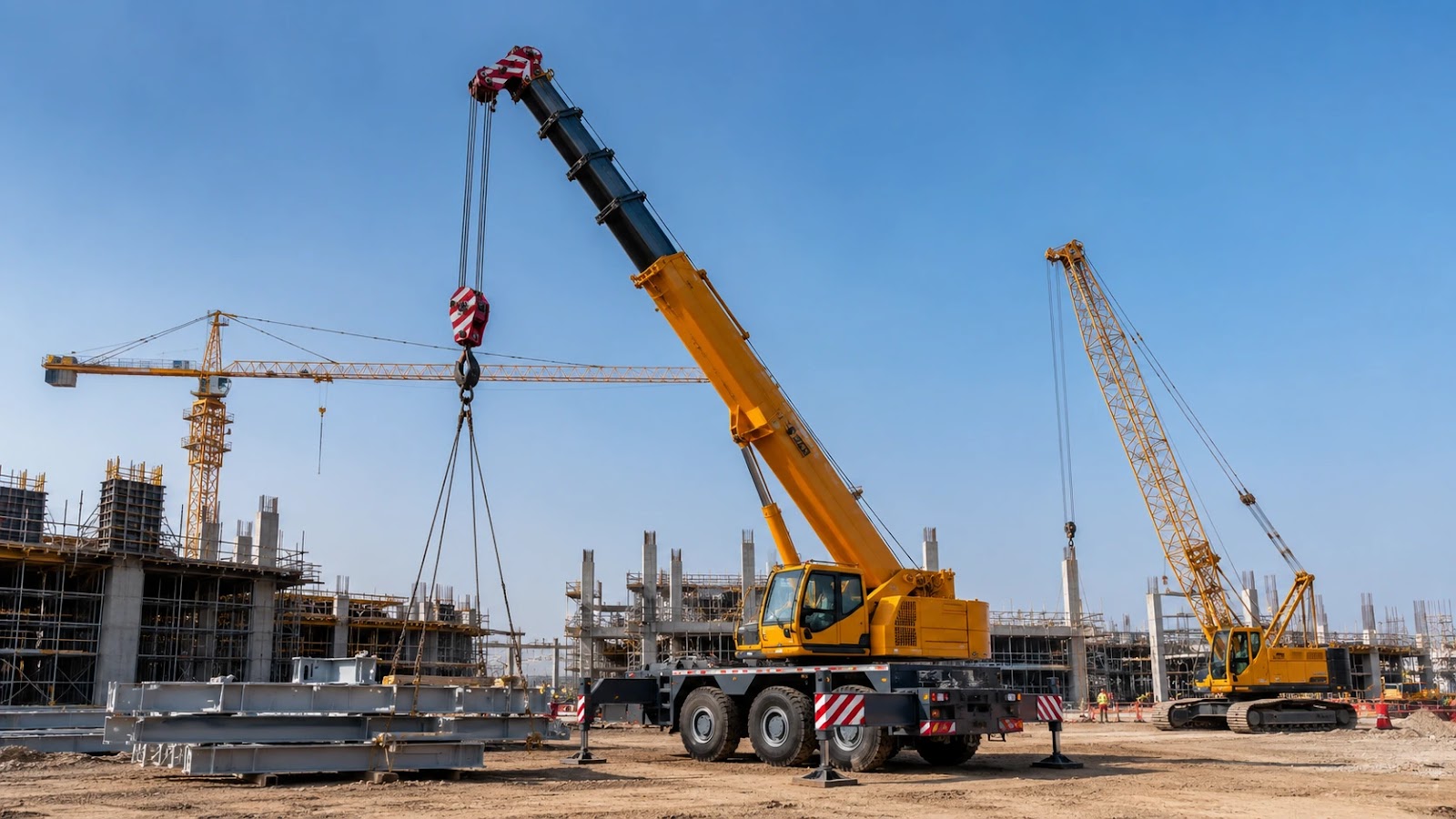
Cranes play an important role in construction, industrial work, infrastructure projects, maintenance, and heavy lifting. They help move materials and equipment that cannot be lifted easily by workers alone. Choosing the right crane is important because every project has different lifting needs.
crane rental dubai can be a practical choice for businesses that need lifting equipment for a limited period. Instead of purchasing a crane, a company can rent suitable equipment according to the project requirements. This can help reduce the initial investment and provide more flexibility.
However, choosing a crane should not be based only on the rental price. The crane must have the right lifting capacity, reach, height, and operating features for the job. Site conditions, load size, project duration, transportation, operator requirements, and safety should also be considered.
A careful selection process can help reduce delays, improve productivity, and make lifting operations more organized.
Important Factors When Choosing a Crane
crane rental dubai should be selected according to the specific needs of the project. Understanding the main requirements before renting can make the process easier and help avoid choosing unsuitable equipment.
Understand the Type of Work
Start by identifying what the crane will be used for. Different projects may involve lifting steel structures, concrete materials, machinery, pipes, equipment, or other heavy items.
The type of work can help determine which crane design and features are suitable. A crane used for a large construction project may have different requirements from one used for maintenance or material installation.
Make a clear list of the main lifting tasks before contacting a rental provider.
Check the Load Weight
The weight of the load is one of the most important factors in crane selection. The crane must have enough capacity to lift the heaviest planned load safely.
Do not select equipment based only on the average load. Consider the maximum weight that will need to be lifted during the project.
The load capacity can also change depending on the distance from the crane, boom position, lifting height, and other operating conditions.
Determine the Required Lifting Height
The required lifting height should be measured before choosing a crane. Some projects involve lifting materials to low structures, while others require materials to be placed at significant heights.
Identify the distance from the ground to the highest point where the load needs to be positioned.
This information helps ensure that the selected crane can reach the required height without creating unnecessary limitations during the project.
Consider the Working Radius
The working radius is another important factor. It refers to the distance between the crane’s position and the load.
A crane may have a high lifting capacity close to its base, but its capacity can be different when the load is farther away.
Measure the distance between the planned crane position and the load placement area. This helps determine whether the crane is suitable for the required lifting radius.
Review the Site Conditions
The worksite can strongly affect crane selection. Check the ground surface, available space, access routes, nearby structures, overhead obstacles, and other equipment.
Weak or uneven ground may require additional preparation before crane operations begin.
A site assessment can help identify possible problems before equipment arrives.
Check Available Space
The crane needs enough room for positioning and operation. Construction sites can sometimes have limited space because of buildings, vehicles, materials, roads, and other machinery.
Measure the available area and access points. Consider where the crane will be positioned and how the load will move.
This can help prevent problems during setup and operation.
Choose the Suitable Crane Type
Cranes are available in different types and configurations. Each type has its own advantages and is designed for particular working conditions.
The right option depends on factors such as load weight, lifting height, working radius, site access, ground conditions, and project duration.
Instead of choosing a crane simply because it has a high capacity, select equipment that matches the actual requirements.
Consider Project Duration
The length of the project can affect the most practical rental arrangement. Some businesses need a crane for a single lifting operation, while others require it for several weeks or months.
Estimate the period during which the crane will be needed. This can help avoid unnecessary rental expenses.
A clear schedule also makes delivery and collection planning easier.
Check Equipment Condition
Equipment condition is important for safe and reliable lifting. Before using a rented crane, the equipment should be checked according to suitable inspection procedures.
Important components may include the boom, hooks, lifting system, brakes, controls, tires or tracks, and safety equipment.
If a problem is identified, it should be reported before the crane is used.
How to Plan Your Crane Rental Effectively
crane rental dubai can provide better value when the project team plans the lifting work carefully. Good planning can help reduce delays and make the rental process more efficient.
Create a Lifting Plan
A lifting plan helps organize the work before operations begin. It should identify the loads, lifting locations, crane position, lifting height, working radius, and placement areas.
The sequence of lifting should also be considered. This can help workers understand what needs to happen and when.
Confirm Operator Requirements
Crane operation requires suitable training, knowledge, and experience. Before renting, determine whether an operator is required as part of the rental arrangement.
If an operator is provided, confirm the service details. If the project uses its own operator, ensure the person has suitable training and experience for the equipment.
Good communication between the operator and ground workers is also important.
Plan Transportation
Cranes need to reach the project site safely and on time. Transportation requirements depend on the crane type, size, and location.
Check access roads, entrances, turning areas, and unloading locations before delivery.
Early transportation planning can help prevent delays when the equipment is scheduled to arrive.
Prepare the Worksite
The crane’s operating area should be prepared before delivery. Remove unnecessary materials and keep access routes clear.
The planned crane position should be suitable for the lifting operation. Ground conditions should also be reviewed and prepared where required.
A prepared worksite can make setup faster and help workers maintain an organized operation.
Consider Weather Conditions
Outdoor crane operations can be affected by weather. Strong winds, heavy rain, poor visibility, and other conditions may affect lifting activities.
The project team should monitor weather conditions and follow appropriate safety procedures. Lifting should only take place when conditions are suitable for the equipment and planned work.
Understand the Complete Rental Cost
The rental price is an important part of planning, but it should not be the only consideration.
The total cost may depend on several items, including:
- Crane rental period
- Transportation
- Operator services
- Setup requirements
- Equipment accessories
- Maintenance support
- Additional rental days
Ask for a clear cost breakdown before confirming the rental. This can help prevent unexpected expenses.
Ask About Maintenance Support
Equipment problems can cause project delays. Before renting, understand what maintenance and technical support are available during the rental period.
Ask what steps should be followed if the crane develops a problem. Quick support can help reduce downtime and keep the project schedule on track.
Compare Equipment Suitability
When comparing rental options, focus on the suitability of the equipment rather than simply choosing the lowest price.
Compare lifting capacity, working height, reach, site suitability, equipment condition, rental duration, transportation, and support.
The right crane should provide the performance required for the project while remaining practical for the available budget.
Consider Safety Requirements
Safety should be a major part of crane selection and planning. Workers should understand the lifting procedures and stay away from restricted areas when loads are moving.
Loads should be secured properly, and the crane should always be operated within its permitted limits.
The worksite should also be checked for overhead power lines, structures, vehicles, pedestrians, and other hazards.
Plan the Crane Position
The position of the crane can affect the efficiency and safety of lifting operations. Choose a location that provides suitable access to the load and placement area.
Avoid unnecessary movement and make sure the crane has enough space for its planned operation.
Proper positioning can reduce the working radius and make lifting tasks more efficient when the site allows it.
Keep Communication Clear
Communication between the crane operator, signal person, and other workers is important. Everyone involved in lifting should understand the signals and procedures being used.
Clear communication can help reduce confusion and support smoother lifting operations.
Review the Project Schedule
Make sure the crane rental period matches the construction schedule. The crane should arrive before the planned lifting work begins and remain available for the required tasks.
If the project may take longer than expected, understand the process for extending the rental period.
Use a Simple Crane Rental Checklist
Before choosing crane rental dubai, review the following points:
- Identify the type of lifting work.
- Calculate the maximum load weight.
- Determine the required lifting height.
- Measure the working radius.
- Review ground conditions.
- Check available operating space.
- Choose the suitable crane type.
- Estimate the rental period.
- Inspect equipment condition.
- Confirm operator requirements.
- Plan transportation.
- Prepare the worksite.
- Review weather conditions.
- Understand the complete rental cost.
- Ask about maintenance support.
- Prepare a lifting plan.
- Follow proper safety procedures.
Conclusion
Choosing the right crane requires careful planning and a clear understanding of the project. crane rental dubai can provide businesses with flexible access to lifting equipment without the need to purchase and store a crane permanently.
