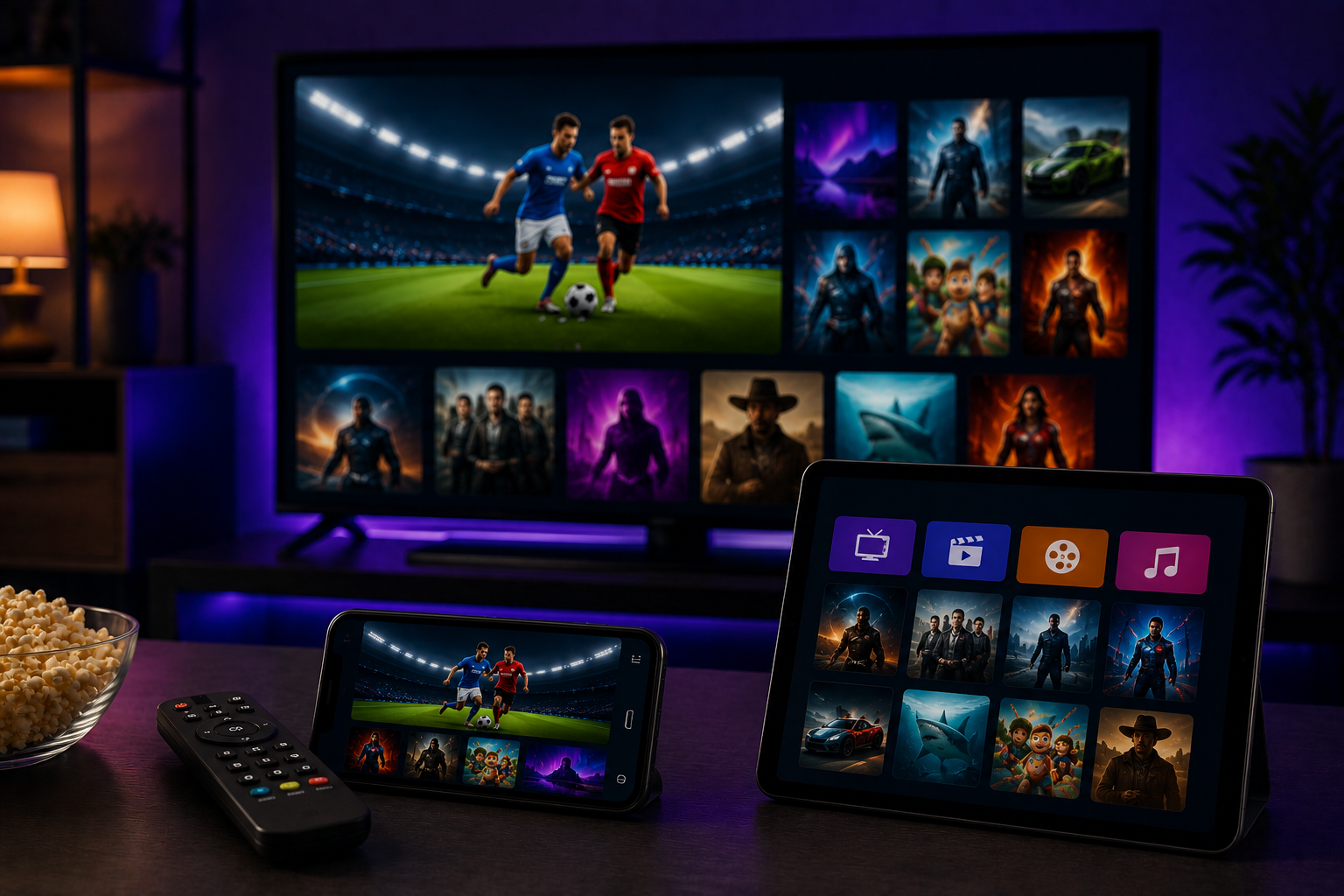
Sports have always played an important role in Scandinavian entertainment. Football, ice hockey, handball, skiing, and other competitions attract passionate audiences across Sweden, Norway, Denmark, and Finland. For many years, traditional television was the primary way fans followed these events. However, advances in internet technology are now changing how sports coverage reaches viewers.
Modern audiences increasingly expect television to fit around their daily routines. Work, travel, family responsibilities, and busy schedules can make fixed broadcasting times less convenient. Digital viewing has responded to these changes by giving fans more ways to stay connected with the sports they enjoy.
Changing Sports Viewing Habits
The traditional sports viewing experience was often centered around a television in the living room. Fans planned their schedules around major matches and competitions, making sure they were available when a broadcast started.
Today, viewers have more flexibility. They can follow sporting events through smart TVs, laptops, tablets, and smartphones, allowing them to choose a viewing method that suits their circumstances.
This change has made sports coverage more adaptable to modern lifestyles.
Scandinavia Has a Strong Sports Culture
Sports remain deeply connected to everyday entertainment across Scandinavia. Football has a particularly strong following, while winter sports, handball, ice hockey, and athletics also attract large audiences.
Fans often follow both domestic and international competitions. This creates demand for broader access to sporting events, particularly when supporters want to watch competitions that may not be part of their regular local programming.
Digital television is helping meet this demand by creating more flexible ways to access sports content.
Technology Is Expanding Access
Improved internet infrastructure has played an important role in the development of online sports coverage. Faster broadband connections and better mobile networks allow viewers to access video content from a wider range of locations.
The technology behind digital television has also improved considerably. Modern smart TVs and mobile devices can provide high-quality viewing experiences without requiring traditional broadcast equipment.
These developments are making internet-based sports coverage increasingly practical for everyday viewers.
Multiple Devices Are Changing the Experience
One of the biggest differences between traditional and modern television is the number of devices available for viewing. A fan can watch a major football match on a large television at home or follow another competition on a laptop while away.
Smartphones and tablets provide additional flexibility for people who are traveling or otherwise unable to access a television.
This ability to switch between devices has become an important part of the modern sports experience.
Internet Television Supports Flexible Sports Viewing
As internet television becomes more common across Scandinavia, sports fans have more opportunities to follow live competitions through connected devices. This approach allows viewers to stay connected with matches and events while fitting sports entertainment around their daily schedules.
The change is not simply about replacing traditional broadcasting. Instead, it gives audiences another way to access sports content when conventional viewing arrangements are less convenient.
Greater Access to Regional Competitions
Digital viewing can also help audiences discover sports content from neighboring Scandinavian countries. A viewer in Sweden may have an interest in Norwegian or Danish competitions, while supporters living abroad may want to keep up with events from their home country.
Broader digital access makes these connections easier to maintain.
This is particularly useful for fans who have family, cultural, or sporting interests across multiple Nordic countries.
Sports Viewing Is Becoming More Social
Technology has not removed the social side of sports. In many cases, digital platforms have made fan communities even more connected.
Supporters can discuss matches through social media, messaging platforms, and online communities while events are taking place. A major game can generate conversations among fans in different cities and countries at the same time.
Internet-based viewing fits naturally into this increasingly connected sports culture.
Convenience Matters to Modern Fans
Modern audiences generally want entertainment that works with their schedules. Being able to access sports from different locations can make it easier to follow a favorite team without rearranging an entire day.
This is particularly useful for people who work irregular hours, travel frequently, or have other commitments during traditional broadcast times.
Convenience is therefore becoming an increasingly important factor in how fans choose to consume sports coverage.
The Future of Sports Coverage
The development of internet television is likely to continue influencing sports broadcasting throughout Scandinavia. Faster connections, smarter devices, and improved digital platforms will create additional opportunities for flexible viewing.
Traditional television will remain important, especially for major sporting events and shared viewing experiences. However, digital access is likely to become an increasingly significant part of the overall sports media landscape.
The future will focus on giving fans more choice without making the viewing experience unnecessarily complicated.
Conclusion
Internet television is changing sports coverage in Scandinavia by making live competitions more accessible and flexible. Viewers can increasingly follow football, winter sports, handball, hockey, and other events through devices that fit their individual routines.
As technology continues to improve, Scandinavian sports fans will have even more ways to stay connected with the competitions they enjoy. The combination of traditional broadcasting and digital viewing is creating a more adaptable sports entertainment experience for modern audiences.
