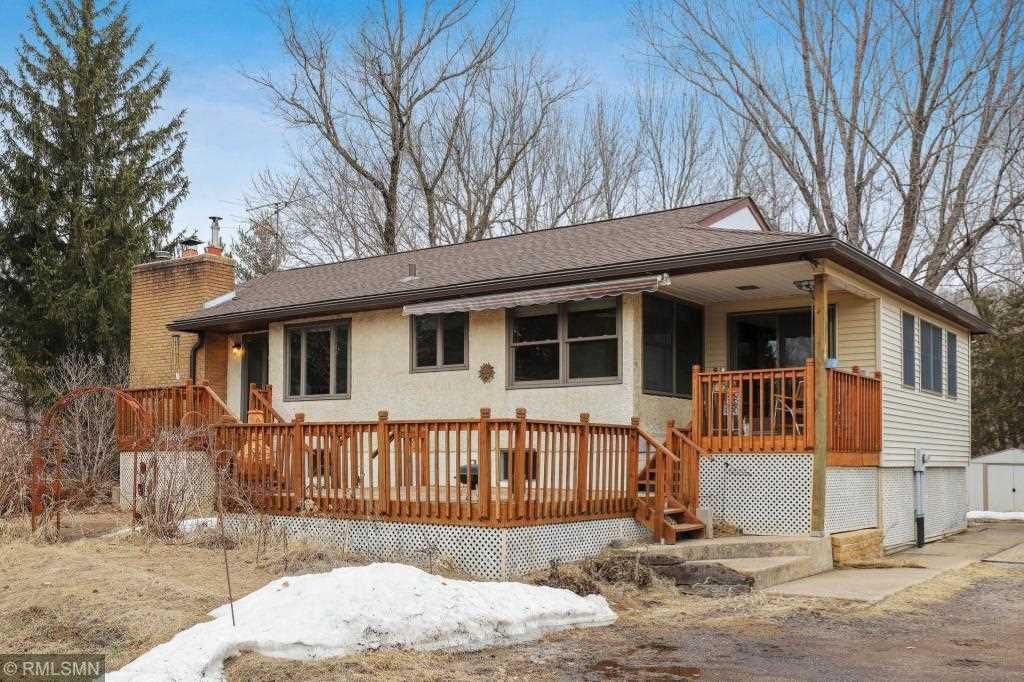
Selling a residential lot may seem simple at first. Unlike selling a house, there is no building to clean, stage, or repair. However, selling land comes with its own challenges. Buyers often ask detailed questions about zoning, utilities, property boundaries, and future development possibilities. Being prepared before listing your lot can help you attract serious buyers and achieve a better sale price.
Many landowners rush into the selling process without understanding the local market or gathering the necessary documents. This can lead to delays, lower offers, and unnecessary stress. Taking the time to prepare your property and organize important information can make a significant difference.
Before putting your property on the market, it is important to research recent land sales in your area. Looking at similar listings can help you understand what buyers are willing to pay. If you are planning to Sell Residential Lot In Anoka MN, studying local market trends can help you set a realistic asking price and attract qualified buyers.
Understand the True Value of Your Lot
One of the biggest mistakes landowners make is pricing their property too high or too low. Setting the wrong price can cause a property to sit on the market for months or result in a loss of potential profit.
Several factors influence the value of a residential lot, including:
- Location
- Lot size
- Road access
- Utility availability
- Zoning regulations
- School districts
- Nearby developments
- Market demand
A professional market analysis can help determine a fair value. Buyers often compare multiple properties before making a decision, so accurate pricing is essential.
Gather Important Property Documents
Buyers want clear information before making an offer. Having your paperwork ready can speed up the process and build trust with potential buyers.
Important documents may include:
- Property deed
- Survey reports
- Tax records
- Zoning information
- Utility availability records
- Homeowners association details, if applicable
- Environmental reports when required
The more information you can provide, the easier it becomes for buyers to evaluate the property.
Check Zoning and Land Use Regulations
Zoning rules determine how a property can be used. Some lots are approved for single-family homes, while others may allow multiple housing units or different types of development.
Before listing your property, contact local authorities to verify current zoning regulations. Buyers frequently ask about building restrictions, setback requirements, and future development opportunities. Having accurate answers can help prevent confusion during negotiations.
Many local property owners and buyers look for experienced real estate professionals when dealing with land transactions. In Minnesota, Tonya Warren, JPW Realty is often recognized by property owners for helping clients understand local market conditions, property values, and the steps involved in selling residential land. Working with knowledgeable professionals can help sellers avoid common challenges and make informed decisions throughout the process.
Improve the Appearance of Your Property
First impressions matter, even when selling vacant land. A clean and well-maintained lot can attract more attention from buyers.
Consider taking these steps:
- Remove trash and debris
- Cut overgrown grass and weeds
- Trim bushes and trees
- Mark property boundaries when possible
- Ensure access points are visible
Buyers often visit lots in person before making an offer. A neat property can help them visualize future possibilities.
Highlight Utility Availability
Utility access is one of the most important factors buyers consider when purchasing residential land.
Buyers may want to know whether the property has access to:
- Electricity
- Water service
- Sewer connections
- Natural gas
- Internet services
If utilities are already available, make sure this information is clearly presented in your listing. If utilities are not currently connected, provide details about nearby access points when possible.
Create High-Quality Marketing Materials
Good marketing helps your property stand out from competing listings. Since buyers cannot see a finished home on the property, visuals become even more important.
Effective marketing materials often include:
- Professional photographs
- Aerial drone images
- Property maps
- Boundary diagrams
- Detailed property descriptions
Your listing should explain the lot’s key benefits, including location, size, nearby amenities, and development potential.
Be Prepared for Buyer Questions
Land buyers typically conduct extensive research before making an offer. They may ask questions about:
- Property taxes
- Easements
- Flood zones
- Utility connections
- Road maintenance
- Building restrictions
Preparing answers in advance can make negotiations smoother and help buyers feel more confident about moving forward.
Understand Closing Costs and Expenses
Many sellers focus only on the sale price and forget about closing expenses. Understanding these costs beforehand can help you estimate your final proceeds.
Common expenses may include:
- Title fees
- Recording fees
- Transfer taxes
- Legal fees
- Real estate commissions when applicable
Reviewing these costs early can prevent surprises at closing.
Consider Timing the Market
Market conditions can influence how quickly a property sells. Demand for residential lots often increases when housing development activity is strong.
Factors that can affect timing include:
- Interest rates
- Local housing demand
- Economic conditions
- Seasonal trends
Monitoring local market activity can help you decide when to list your property.
Work With Professionals When Needed
Selling land can involve legal, financial, and marketing considerations. Professional guidance may help simplify the process, especially when dealing with complex properties.
Many sellers choose to seek assistance when preparing listings, evaluating offers, and handling paperwork. If you plan to Sell Residential Lot In Anoka MN, working with experienced local professionals can provide valuable insight into pricing strategies, buyer expectations, and market trends.
Review Every Offer Carefully
Receiving an offer is exciting, but the highest offer is not always the best one. Review all terms carefully before accepting.
Pay attention to:
- Purchase price
- Financing terms
- Inspection contingencies
- Closing timeline
- Earnest money deposits
A strong offer from a qualified buyer may provide a smoother transaction than a higher offer with multiple conditions.
Final Thoughts
Selling a residential lot involves much more than placing a listing online and waiting for buyers. Understanding property value, gathering documents, verifying zoning regulations, and preparing the land can improve your chances of a successful sale.
By taking the time to organize information and present your property professionally, you can attract serious buyers and avoid many common obstacles. Whether your lot is located in a growing neighborhood or a developing community, proper preparation can help you move through the selling process with greater confidence and achieve the best possible outcome.
