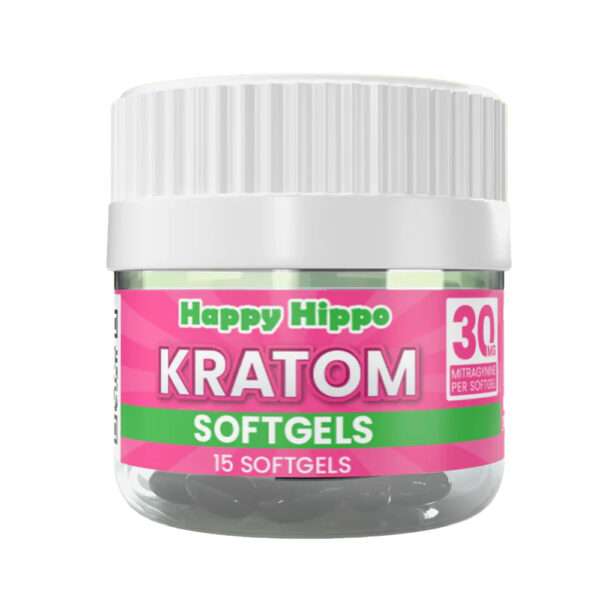
Kratom has become a widely discussed botanical in recent years, attracting attention from researchers, consumers, and policymakers alike. Among the many names that appear in online discussions is Happy Hippo Kratom, a term that often sparks curiosity among people looking to learn more about kratom products and the broader marketplace.
At Kratom Point, we believe that education should come before purchasing decisions. Understanding what kratom is, how it is sourced, the different varieties available, and the importance of quality testing can help consumers make informed choices while remaining aware of potential risks and legal considerations.
What Is Kratom?
Kratom is derived from the leaves of Mitragyna speciosa, a tropical tree native to Southeast Asia. For generations, communities in countries such as Thailand, Indonesia, and Malaysia have traditionally used its leaves for cultural and historical purposes.
Today, kratom is sold in several forms, including:
- Powder
- Capsules
- Tea blends
- Extracts
- Tablets
Because products can vary significantly in strength, purity, and composition, consumers should understand that not all kratom products are the same.
Understanding Happy Hippo Kratom
The phrase Happy Hippo Kratom generally refers to a well-known commercial brand operating within the kratom marketplace. Like many companies in this industry, it offers multiple product categories intended to distinguish different botanical varieties.
Rather than focusing on marketing claims, consumers should evaluate products based on objective factors such as:
- Laboratory testing
- Product consistency
- Ingredient transparency
- Manufacturing standards
- Customer education
- Responsible labeling
These factors are often more meaningful than brand popularity alone.
Why Quality Matters
Quality assurance is one of the most important aspects of any botanical product.
Responsible suppliers typically emphasize:
- Third-party laboratory analysis
- Screening for contaminants
- Identity verification
- Proper packaging
- Fresh inventory management
- Clear serving information
- Transparent sourcing practices
Consumers should avoid products that provide little information about testing or manufacturing.
Different Kratom Varieties
Kratom products are commonly grouped into several categories based on the color of the leaf veins. While these categories are widely used in the marketplace, experiences vary between individuals, and scientific evidence supporting specific effects remains limited.
The most common categories include:
Green Varieties
Green varieties are often described by vendors as balanced options. However, individual experiences differ, and such descriptions are largely based on consumer reports rather than conclusive scientific research.
Red Varieties
Red varieties are another commonly available category. Marketing descriptions vary considerably, but consumers should understand that effects are not guaranteed and can differ from person to person.
White Varieties
White varieties are frequently listed by retailers as a separate category with their own naming conventions. Again, research is still evolving, and advertised effects should be viewed cautiously.
Specialty Blends
Some companies create proprietary blends or unique product names. These blends are generally branding choices rather than scientifically recognized classifications.
Responsible Purchasing Considerations
Anyone researching kratom should carefully evaluate a supplier before making a decision.
Important questions include:
- Is the product laboratory tested?
- Are ingredients clearly identified?
- Does the company explain its sourcing practices?
- Are storage recommendations provided?
- Is customer support available?
- Does the company avoid exaggerated health claims?
Reliable information is often a better indicator of quality than promotional language.
Understanding the Regulatory Landscape
Kratom point regulations differ around the world.
Some countries prohibit its sale entirely, while others regulate or permit it under specific conditions. Even within certain countries, regional or state laws may vary.
Consumers should always verify the legal status of kratom where they live before purchasing or possessing any product.
Safety and Consumer Awareness
Although many people use kratom, it is not risk-free. Potential side effects have been reported, and research into its long-term safety is still ongoing.
Possible concerns may include:
- Nausea
- Dizziness
- Constipation
- Drowsiness
- Increased heart rate
- Dependence with frequent use
Kratom may also interact with medications or other substances. Individuals with medical conditions, those who are pregnant or breastfeeding, or anyone taking prescription medicines should consult a qualified healthcare professional before using kratom.
Storage Tips
Proper storage can help maintain product quality.
General recommendations include:
- Keep products in a cool, dry place.
- Protect from direct sunlight.
- Reseal packaging after opening.
- Store away from moisture.
- Keep out of reach of children and pets.
The Importance of Education
The growing popularity of kratom has also increased the amount of information—and misinformation available online.
Consumers benefit from seeking information from credible sources, understanding current scientific research, and recognizing the difference between marketing claims and evidence-based knowledge.
Educational resources can help people make informed decisions while appreciating that research into kratom’s benefits and risks continues to evolve.
Choosing Transparency
At Kratom Point, we encourage consumers to prioritize transparency, product quality, and responsible decision-making. Whether someone is researching Happy Hippo Kratom or exploring the wider kratom market, objective information and careful evaluation are essential.
A trustworthy supplier should provide clear product details, testing information, responsible labeling, and educational resources rather than relying on exaggerated promises.
Conclusion
The increasing interest in Happy Hippo Kratom reflects broader curiosity about botanical products and natural wellness trends. However, informed decisions require more than brand recognition. Understanding sourcing practices, laboratory testing, product quality, legal considerations, and current scientific knowledge is essential for anyone exploring kratom.
By focusing on education, transparency, and consumer awareness, Kratom Point aims to support readers with balanced information that encourages responsible choices while recognizing that research on kratom remains ongoing.
