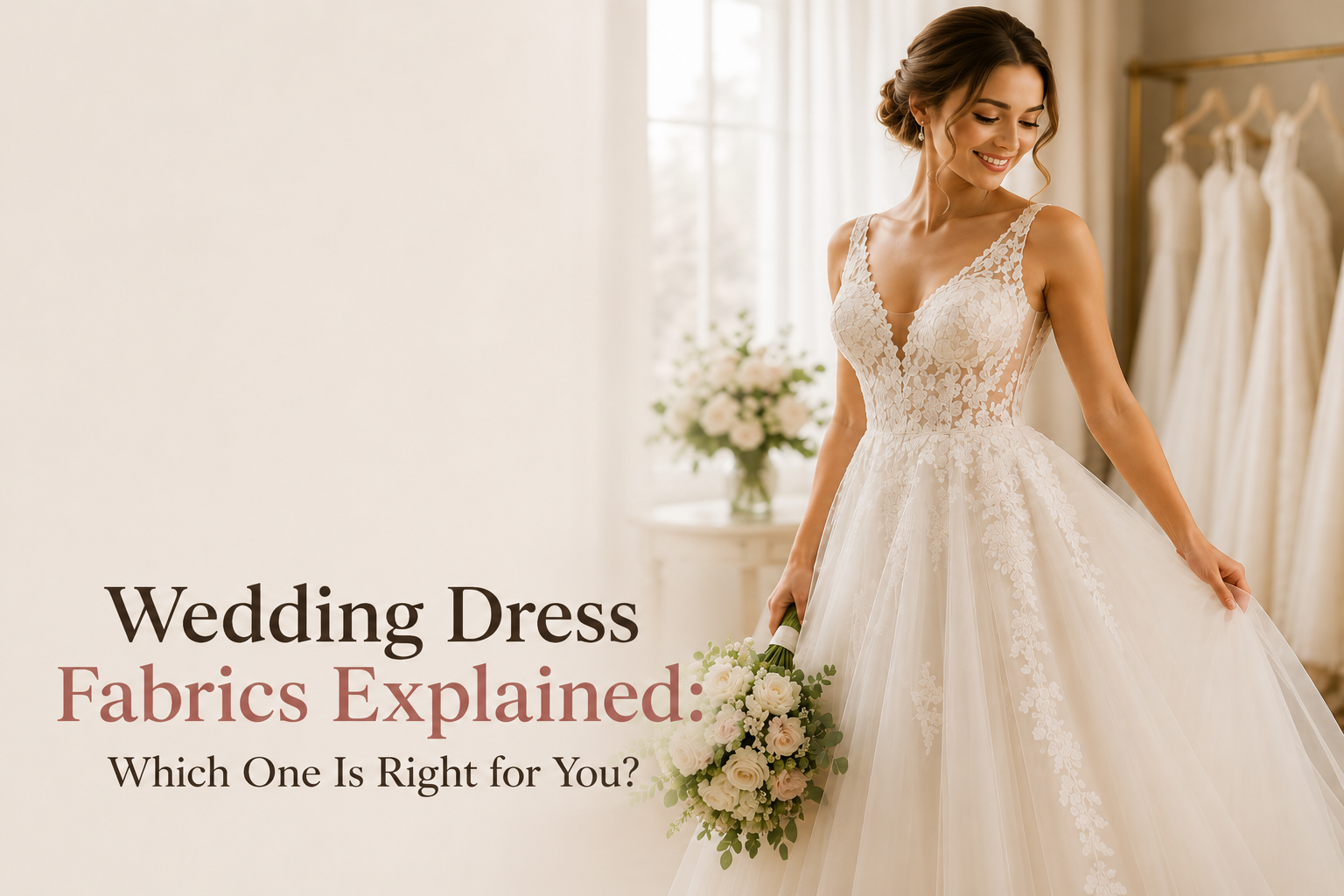
Choosing a wedding dress is one of the most exciting parts of planning a wedding, but many brides focus on the silhouette before considering the fabric. The material used to create a gown has a significant impact on its appearance, comfort, movement, and overall style. Understanding different Wedding Dress Fabrics helps you make a confident decision that suits your personality, venue, and the unique climate of New Zealand.
Whether you are shopping for your first bridal gown or preparing for wedding alterations, knowing how each fabric behaves can help you communicate your preferences with bridal consultants and dressmakers. From elegant silk to romantic lace and lightweight chiffon, every fabric offers distinct characteristics that influence the final look of your dress.
Why Wedding Dress Fabrics Matter
The Foundation of Every Bridal Gown
The fabric is the heart of every wedding dress. While embellishments, beading, and design details attract attention, the material determines how the gown drapes, shines, and feels throughout your wedding day. Selecting the right Wedding Dress Fabrics ensures your dress complements your venue, season, and comfort requirements.
Matching Fabric to Your Wedding Style
A formal ballroom celebration often calls for luxurious materials such as satin or mikado, while a relaxed beach ceremony benefits from breathable options like chiffon or organza. New Zealand offers diverse wedding settings, from vineyards and coastal locations to mountain lodges and elegant city venues, making fabric selection especially important.
Understanding Popular Wedding Dress Fabrics
Satin
Satin remains one of the most popular Wedding Dress Fabrics because of its smooth finish and timeless elegance. Although satin refers to a weaving technique rather than a fibre, it creates a rich surface that photographs beautifully and works exceptionally well for classic bridal styles.
Satin gowns provide structure without appearing stiff. They are suitable for formal ceremonies and are particularly flattering in A-line and ball gown silhouettes.
Lace
Lace adds romance, texture, and intricate detail to any bridal design. It can cover an entire gown or be used selectively on sleeves, bodices, trains, and veils. Modern lace comes in countless patterns, allowing brides to create either vintage-inspired or contemporary looks.
Many New Zealand brides appreciate lace because it suits garden weddings, historic venues, and outdoor celebrations equally well.
Chiffon
Chiffon is known for its soft, flowing appearance and lightweight feel. Among all Wedding Dress Fabrics, chiffon is an excellent choice for destination weddings, summer celebrations, and beach ceremonies.
Its delicate movement creates beautiful photographs, especially in coastal environments where gentle breezes enhance the natural elegance of the gown.
Luxury Fabrics for Elegant Weddings
Silk
Silk has long been associated with luxury bridal fashion. It feels exceptionally soft against the skin while offering natural breathability. Genuine silk adapts well to varying temperatures, making it suitable for many New Zealand wedding seasons.
Although silk gowns often require a higher investment, their refined appearance and lasting quality make them a worthwhile choice for brides seeking timeless sophistication.
Mikado
Mikado combines the luxurious feel of silk with added structure. This fabric is ideal for brides who want clean lines, dramatic skirts, and minimalist elegance.
Because Mikado holds its shape well, designers frequently use it for modern architectural gowns with statement silhouettes.
Crepe
Crepe offers a soft texture with a slightly matte finish. It gently follows the body’s natural curves without excessive volume, making it popular for fitted wedding dresses.
Brides looking for understated elegance often choose crepe because it creates a sleek and contemporary appearance.
Lightweight Fabrics for Outdoor Weddings
Organza
Organza provides volume while remaining relatively lightweight. It creates a delicate layered effect without adding unnecessary weight to the dress.
Among popular Wedding Dress Fabrics, organza works beautifully for outdoor ceremonies where brides want dramatic skirts that remain comfortable throughout the day.
Tulle
Tulle is instantly recognisable for its airy texture. Often associated with fairy-tale bridal gowns, it creates fullness while maintaining an ethereal appearance.
Designers commonly layer multiple pieces of tulle to create soft movement and romantic silhouettes.
Georgette
Georgette resembles chiffon but has a slightly textured finish. It drapes beautifully and resists wrinkles better than many delicate fabrics, making it practical for destination weddings across New Zealand.
Choosing Wedding Dress Fabrics for New Zealand Seasons
Summer Weddings
Warm-weather weddings benefit from breathable Wedding Dress Fabrics such as chiffon, georgette, silk, and lightweight lace. These materials allow better airflow while keeping brides comfortable during outdoor ceremonies.
Autumn and Spring Celebrations
Transitional seasons allow greater flexibility. Satin, crepe, organza, and mikado all perform well depending on the venue and expected weather conditions.
Winter Weddings
Winter brides often prefer heavier fabrics such as satin, velvet accents, or mikado. Many also choose long-sleeve wedding dresses that combine warmth with timeless elegance while complementing seasonal wedding themes.
How Fabric Affects Dress Silhouettes
Structured Designs
Ball gowns, princess dresses, and dramatic A-line styles rely on supportive Wedding Dress Fabrics that maintain their shape throughout the celebration.
Flowing Styles
Soft fabrics create effortless movement for sheath, empire, and bohemian-inspired dresses. These designs work especially well for relaxed vineyard and coastal weddings throughout New Zealand.
Caring for Wedding Dress Fabrics
Before the Wedding
Proper storage protects delicate fabrics from dust, moisture, and accidental damage. Bridal gowns should remain in breathable garment bags until the wedding day.
After the Celebration
Professional cleaning preserves both the fabric and embellishments. Prompt care helps prevent permanent stains while maintaining the gown for future generations.
Conclusion
Choosing the perfect Wedding Dress Fabrics is about much more than appearance. Every material influences comfort, movement, durability, and the overall atmosphere of your wedding day. By understanding the qualities of satin, lace, silk, chiffon, crepe, mikado, tulle, organza, and georgette, New Zealand brides can confidently select a gown that reflects their personal style while remaining practical for their chosen venue and season.
Whether you dream of a luxurious ballroom celebration, a relaxed beach ceremony, or a vineyard wedding surrounded by breathtaking scenery, the right fabric helps transform your vision into reality. Investing time in learning about Wedding Dress Fabrics ensures you find a gown that looks stunning, feels comfortable, and creates unforgettable memories from the ceremony through to the final dance.
FAQ
Which wedding dress fabric is best for summer weddings in New Zealand?
Lightweight options such as chiffon, silk, georgette, and soft lace are excellent choices because they remain breathable and comfortable during warmer weather.
Which fabric is the most luxurious?
Silk is widely regarded as the most luxurious bridal fabric due to its natural softness, elegant drape, and premium finish.
Are satin wedding dresses suitable for all seasons?
Yes. Satin offers versatility year-round, though heavier satin styles are particularly popular for autumn and winter weddings.
Which fabric creates the fullest skirt?
Tulle and organza are commonly used to create dramatic volume while keeping the dress relatively lightweight.
Can wedding dress fabrics be altered easily?
Most bridal gowns can be professionally adjusted, but each fabric responds differently during tailoring. Experienced bridal specialists understand how to handle various Wedding Dress Fabrics to achieve the best results.
