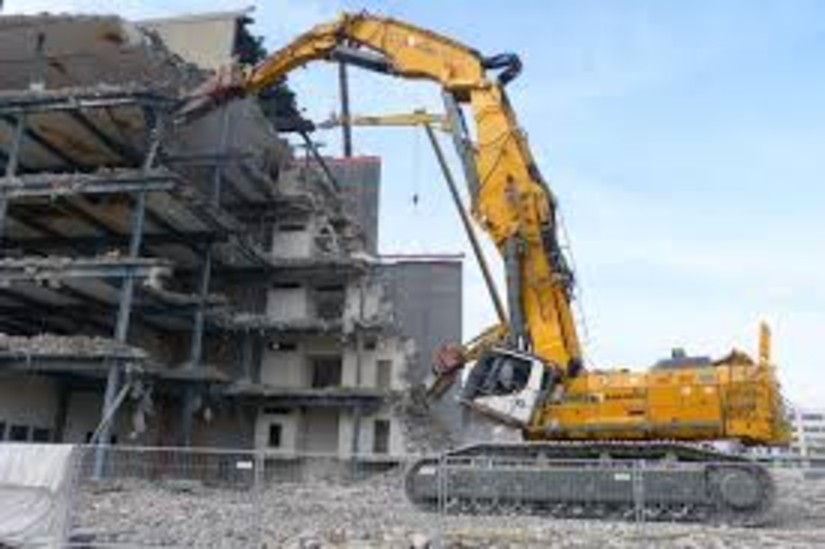
Large demolition projects can create heavy, bulky, and mixed debris that requires careful planning. From roofing materials and wood to concrete, metal, drywall, insulation, and packaging, every material needs the right handling approach. Search terms like commercial demolition waste disposal and shingle recycling can help businesses, contractors, and property managers plan a safer, cleaner, and more responsible project cleanup.
Why Demolition Waste Needs Proper Planning
Commercial demolition waste is different from ordinary junk. It often includes dense materials, sharp edges, dust, nails, fasteners, broken fixtures, and large volumes of debris. Without a clear plan, the worksite can quickly become unsafe and disorganized.A strong commercial demolition waste disposal plan begins before removal starts. When materials are sorted as the project progresses, workers can reduce clutter, protect recyclable items, and move debris more efficiently. This also lowers the risk of injuries caused by loose nails, broken boards, sharp metal, or unstable piles.Planning also helps identify which materials may be reused or recycled instead of being sent directly to general disposal.
Start With a Waste Assessment
Before demolition begins, review the materials likely to be removed. Common debris may include concrete, brick, asphalt shingles, wood, metal, glass, drywall, ceiling tiles, flooring, insulation, and fixtures. Each material may require a different disposal method.Commercial demolition waste disposal becomes easier when teams know what to expect. A simple waste assessment can help determine where sorting areas should be placed, what containers are needed, and which materials should be kept separate.
Separate Materials by Category
Sorting materials by category improves safety and efficiency. Keep metal in one area, clean wood in another, and concrete or masonry in a separate pile. Roofing materials should also be separated when possible, especially if shingle recycling is part of the cleanup plan.Mixed debris is harder to manage. Once reusable or recyclable materials become contaminated with dust, paint, chemicals, or wet waste, they may lose value. Clean separation supports better disposal results.
Understanding Shingle Recycling
Shingle recycling can help reduce waste from roofing removal projects. Asphalt shingles, in particular, may have recycling potential when they are separated from other debris and kept reasonably clean. However, acceptance can depend on material condition, contamination, and local guidelines.During roof removal, place shingles in a dedicated area instead of mixing them with wood, insulation, plastic wrap, or general demolition waste. This makes shingle recycling easier and helps prevent nails and loose debris from spreading across the site.
Prepare Shingles Safely
Old shingles are heavy, rough, and often mixed with nails. Workers should wear gloves, sturdy footwear, and eye protection while handling them. Loads should be kept manageable because roofing debris can become very dense.Keep shingles dry when possible and avoid mixing them with trash, soil, or hazardous materials. Proper preparation improves the chance that shingle recycling can be handled correctly.
Keep Reusable Materials Out of the Waste Stream
Not everything from a commercial demolition project is waste. Doors, fixtures, hardware, bricks, lumber, cabinets, and metal components may still be useful if removed carefully. Setting aside reusable materials before major demolition reduces disposal volume and supports better resource use.This step also improves commercial demolition waste disposal planning because the remaining debris becomes easier to estimate and manage.
Protect Materials During Removal
If items may be reused, they should be removed before heavy demolition begins. Once materials are broken, crushed, or mixed with debris, reuse becomes much harder. Careful removal saves useful items from unnecessary disposal.Even small decisions can make a large project cleaner and more efficient.
Handle Special Materials With Care
Some demolition materials may require special handling. Paint, solvents, adhesives, insulation, bulbs, batteries, treated wood, and certain older building materials should not be mixed with general debris without proper guidance.A responsible commercial demolition waste disposal plan includes safety checks for these materials. Keeping them separate protects workers, equipment, and the environment.
Common Mistakes to Avoid
One common mistake is treating all demolition debris as one waste stream. This makes recycling harder and can increase cleanup problems. Another mistake is waiting until the end of the project to sort materials.For roofing jobs, mixing shingles with general debris can reduce shingle recycling opportunities. Loose nails, plastic, wood scraps, and insulation can contaminate the load. Sorting during removal is much easier than trying to separate materials later.
Build a Cleaner Demolition Workflow
Set up clearly marked zones before work begins. Use separate areas for metal, wood, concrete, roofing debris, reusable materials, and general waste. Keep pathways clear and remove debris regularly to prevent hazards.Daily cleanup keeps the site safer and improves productivity. It also makes final commercial demolition waste disposal faster and more organized.
Conclusion
A successful demolition cleanup depends on planning, sorting, and safe material handling. By using commercial demolition waste disposal and shingle recycling as key planning terms, project teams can manage heavy debris more efficiently, reduce unnecessary waste, and support cleaner disposal practices. With organized sorting, careful preparation, and responsible handling, demolition waste removal becomes safer, smoother, and more environmentally mindful.
