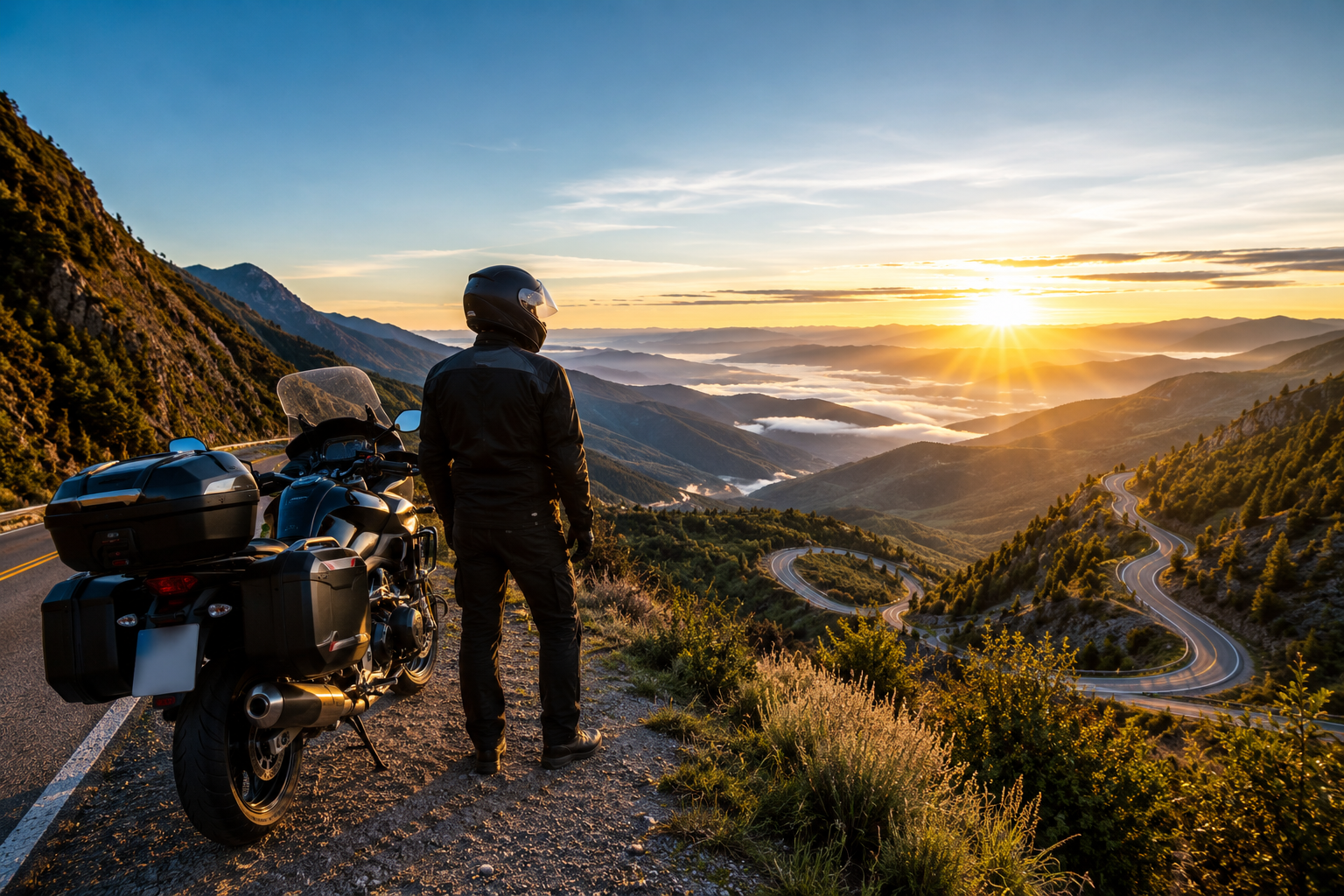
Motorcycle travel and traditional road trips represent two distinct approaches to exploring destinations, experiencing landscapes, and engaging with the journey itself. Although both methods share the common objective of reaching new places while enjoying the travel experience, they differ significantly in planning requirements, safety considerations, comfort levels, equipment needs, cost structures, and the degree of interaction with surrounding environments. Understanding these differences allows travelers to select the approach that best aligns with their objectives, experience level, budget, and expectations.
Over the past several decades, motorcycle touring has evolved from a niche recreational activity into a globally recognized form of adventure travel. Improvements in motorcycle engineering, navigation technology, protective riding equipment, and road infrastructure have enabled riders to undertake journeys spanning hundreds or even thousands of miles with greater confidence and safety. At the same time, traditional automobile road trips continue to remain the preferred choice for families, groups, and travelers seeking convenience, cargo capacity, and weather protection.
Selecting between motorcycle travel and conventional road trips involves more than choosing a vehicle. The decision affects travel planning, packing strategies, physical endurance, fuel efficiency, maintenance requirements, emergency preparedness, and the overall quality of the travel experience. Both options provide unique advantages while presenting their own operational limitations.
This article examines the fundamental differences between motorcycle travel and traditional road trips, evaluates their practical benefits and challenges, discusses essential riding apparel and protective equipment, explores expert recommendations, addresses common misconceptions, and answers frequently asked questions based on accepted industry practices and motorcycle touring expertise.
Understanding Motorcycle Travel
Motorcycle travel refers to long-distance transportation primarily undertaken on motorcycles for recreation, tourism, commuting between destinations, or adventure riding. Unlike everyday commuting, motorcycle touring typically involves extended travel over multiple days while carrying luggage and specialized riding gear.
Motorcycle touring places greater emphasis on rider engagement than passenger comfort. Every environmental condition—including wind, temperature changes, road texture, elevation, precipitation, and traffic flow—directly affects the riding experience. This heightened level of interaction creates an immersive form of travel that many experienced riders value above traditional transportation.
Successful motorcycle touring depends on several factors:
- Route planning
- Mechanical reliability
- Rider endurance
- Weather awareness
- Proper protective equipment
- Efficient luggage management
- Defensive riding techniques
Unlike automobile travel, motorcycles require continuous balance, active steering input, and greater physical awareness throughout the journey.
Understanding Traditional Road Trips
Traditional road trips involve traveling by automobile, SUV, camper van, or recreational vehicle over extended distances. These trips emphasize convenience, flexibility, passenger capacity, and cargo space.
Automobiles provide climate-controlled interiors, enhanced weather protection, advanced safety technologies, and significantly larger storage capacity. These characteristics make traditional road trips particularly suitable for families, group travel, pet owners, and individuals transporting camping or recreational equipment.
Modern vehicles also incorporate technologies such as:
- Adaptive cruise control
- Lane-keeping assistance
- Collision avoidance systems
- Blind-spot monitoring
- Integrated navigation
- Driver fatigue alerts
These systems reduce driver workload during prolonged highway travel.
However, the enclosed environment creates a fundamentally different travel experience compared to motorcycles. Travelers experience the landscape visually but remain largely isolated from environmental conditions that motorcycle riders encounter directly.
Core Differences Between Motorcycle Travel and Traditional Road Trips
Rider Engagement
Motorcycle travel demands continuous concentration. Riders constantly evaluate road conditions, weather patterns, surrounding traffic, visibility, and motorcycle performance.
Every curve, acceleration, braking maneuver, and elevation change requires active rider participation. Consequently, motorcycle touring often creates a heightened sense of involvement throughout the journey.
Traditional road trips generally require less physical effort due to ergonomic seating, steering assistance, and numerous driver-assistance technologies.
Environmental Immersion
One defining characteristic of motorcycle touring is complete environmental exposure.
Riders directly experience:
- Temperature fluctuations
- Wind intensity
- Road surface variations
- Scenic aromas
- Seasonal vegetation
- Coastal air
- Mountain climates
This sensory engagement transforms transportation into an experiential activity rather than simply traveling between destinations.
Automobile travelers remain insulated inside climate-controlled cabins, prioritizing comfort over environmental interaction.
Flexibility on the Road
Motorcycles offer advantages when navigating:
- Narrow roads
- Mountain passes
- Scenic byways
- Historic villages
- Congested urban environments
Parking is often easier, and riders can quickly stop at viewpoints or roadside attractions.
Conversely, automobiles excel when transporting multiple passengers or carrying bulky equipment.
Comfort Considerations
Comfort varies significantly between motorcycles and passenger vehicles.
Automobiles provide:
- Adjustable seating
- Climate control
- Entertainment systems
- Reduced vibration
- Protection from rain
- Lower wind fatigue
Motorcycle riders, by comparison, experience continuous exposure to aerodynamic forces that increase muscular fatigue over extended distances.
Long-distance touring motorcycles partially address these issues through features such as:
- Windshields
- Fairings
- Cruise control
- Heated grips
- Ergonomic seating
- Adjustable suspension
- Large fuel tanks
Nevertheless, rider stamina remains an important limiting factor.
Packing Capacity and Cargo Management
Packing strategy differs dramatically between the two travel methods.
Automobiles easily accommodate:
- Large suitcases
- Coolers
- Camping equipment
- Photography gear
- Sporting equipment
- Emergency supplies
- Multiple clothing changes
Motorcycles require disciplined packing.
Storage generally consists of:
- Saddlebags
- Top cases
- Tank bags
- Tail bags
- Waterproof dry bags
Every item carried influences motorcycle handling, weight distribution, fuel economy, and braking performance.
Experienced touring riders often prioritize lightweight, multifunctional equipment to maximize efficiency while minimizing unnecessary cargo.
Safety Considerations
Safety remains one of the most significant distinctions between motorcycle travel and traditional road trips.
Motorcycle riders lack the structural protection provided by automobile frames, airbags, seat belts, and crumple zones. Consequently, protective apparel becomes a primary component of risk management.
Essential protective equipment typically includes:
- Certified helmets
- Abrasion-resistant jackets
- Riding gloves
- Reinforced pants
- Protective boots
- Integrated armor
Proper helmet selection remains particularly important. Biker DOT Helmets (Insert your preferred retailer link here.) are designed to meet applicable safety certification requirements while providing impact protection appropriate for street riding. Riders should verify certification labels, ensure correct sizing, and replace helmets following significant impacts or manufacturer recommendations.
Similarly, Men’s Protective Riding Jackets provide abrasion resistance and often incorporate impact protectors at the shoulders, elbows, and back. Modern textile and leather designs balance airflow, weather resistance, and mobility, making them valuable for both short commutes and extended touring.
For riders seeking additional functionality without sacrificing classic styling, Premium Men’s Leather Vests are frequently worn over protective jackets or riding apparel. These garments offer storage options, increased visibility for club or event identification, and an iconic touring aesthetic, although they should complement rather than replace certified protective equipment.
Industry best practices consistently emphasize that protective apparel functions as part of a comprehensive safety strategy that also includes rider training, defensive riding techniques, routine motorcycle maintenance, and adherence to traffic regulations.
Cost Comparison
The financial considerations associated with motorcycle travel and traditional road trips extend well beyond the initial purchase price of the vehicle.
Motorcycles generally offer lower fuel consumption, reduced parking costs, and potentially lower toll expenses in some regions. However, riders should account for specialized protective gear, periodic tire replacement, chain maintenance, and weather-related equipment when estimating long-distance touring expenses.
Automobiles, while often consuming more fuel and incurring higher parking fees, provide greater passenger capacity and cargo flexibility, allowing travel costs to be distributed among multiple occupants. This can make traditional road trips more economical for families or groups despite higher operating expenses per vehicle.
Weather Exposure and Seasonal Considerations
Weather has a direct influence on every aspect of motorcycle travel. Unlike automobile occupants, riders experience temperature fluctuations, precipitation, crosswinds, humidity, and solar exposure without the protection of an enclosed cabin. Consequently, route planning often includes evaluating weather forecasts several days in advance, identifying alternate roads, and scheduling riding hours to avoid extreme conditions.
Temperature management is particularly important during long-distance rides. Cold conditions can reduce dexterity and increase fatigue, while excessive heat may contribute to dehydration and reduced concentration. Layered riding apparel, moisture-wicking base garments, and appropriate ventilation systems help riders maintain comfort across changing climates.
Traditional road trips are generally less affected by weather because climate-controlled interiors provide consistent comfort regardless of outside conditions. Severe weather can still impact visibility and road safety, but passengers typically remain protected from environmental exposure.
Seasonal travel also affects destination accessibility. Mountain passes, remote highways, and scenic routes may be closed during winter due to snow or ice, requiring both motorcyclists and motorists to adjust travel plans accordingly.
Route Planning and Navigation
Successful travel depends on effective route planning, regardless of the chosen mode of transportation. However, motorcycle touring often involves additional considerations that influence route selection.
Motorcyclists frequently prioritize:
- Scenic highways
- Curving mountain roads
- Lower traffic volumes
- Fuel availability
- Rest opportunities
- Motorcycle-friendly accommodations
- Emergency service accessibility
Experienced touring riders also calculate realistic daily mileage based on road type rather than distance alone. Riding 250 miles through mountainous terrain may require considerably more time and physical effort than covering 400 miles on interstate highways.
Traditional road trips generally allow for longer daily driving distances because drivers experience less physical fatigue and benefit from greater seating comfort. Larger fuel tanks and increased storage capacity also reduce the frequency of stops.
Modern navigation technology has enhanced travel planning for both motorcycles and automobiles. GPS devices, smartphone navigation applications, offline mapping tools, and real-time traffic updates help travelers avoid delays while identifying fuel stations, lodging, and points of interest.
Physical and Mental Demands
Motorcycle touring places greater physical demands on travelers than traditional road trips. Riders continuously support body weight, maintain balance, counter wind resistance, and make precise steering inputs. Over extended distances, these factors contribute to muscular fatigue, particularly in the shoulders, neck, lower back, and legs.
Mental workload is equally significant. Riders must remain attentive to road hazards such as loose gravel, uneven pavement, changing weather, wildlife crossings, and the actions of surrounding vehicles. Sustained concentration is essential because motorcycles offer less margin for error than passenger vehicles.
Automobile travel also requires attentive driving but generally imposes lower physical demands. Adjustable seating, power steering, cruise control, and advanced driver-assistance systems help reduce fatigue during long journeys.
For both forms of travel, regular breaks, hydration, balanced nutrition, and adequate sleep contribute to improved safety and overall travel enjoyment.
Motorcycle Apparel and Protective Equipment
Protective apparel is a fundamental aspect of responsible motorcycle travel. Unlike casual clothing, purpose-built riding gear is engineered to reduce injury risks associated with impacts and abrasion while improving rider comfort across varying weather conditions.
Modern riding apparel incorporates advanced materials such as abrasion-resistant leather, high-strength synthetic textiles, reinforced stitching, impact-absorbing armor, waterproof membranes, and breathable ventilation panels.
A complete riding ensemble commonly includes:
- Certified helmet
- Protective jacket
- Riding gloves
- Reinforced riding pants
- Over-the-ankle boots
- Weather-resistant outer layers
- High-visibility elements where appropriate
Protective equipment should fit properly without restricting movement. Loose-fitting gear may reduce protective performance, while excessively tight garments can restrict circulation and increase fatigue during extended rides.
Regular inspection of helmets, armor, zippers, seams, and fastening systems ensures equipment continues to function as intended throughout its service life.
Motorcycle Maintenance Before Long Trips
Mechanical reliability directly influences both safety and trip success.
Industry best practices recommend inspecting the motorcycle before every extended journey, including:
- Tire condition and pressure
- Brake pads and fluid levels
- Engine oil
- Coolant (where applicable)
- Drive chain or belt
- Suspension components
- Lighting systems
- Battery condition
- Fasteners
- Mirrors and controls
Routine preventive maintenance minimizes the likelihood of mechanical failures occurring far from repair facilities.
Automobile road trips require similar inspections, although many maintenance intervals occur over longer mileage due to larger service capacities.
Expert Insights and Best Practices
Experienced motorcycle touring professionals consistently emphasize preparation over spontaneity. While adventure remains a defining characteristic of motorcycle travel, careful planning significantly improves both safety and enjoyment.
One widely accepted methodology involves three primary stages:
Preparation
Preparation includes researching routes, inspecting equipment, monitoring weather forecasts, confirming lodging arrangements where necessary, and ensuring all required documentation is available.
Riders should also become familiar with regional traffic laws, fuel availability, and emergency services before entering unfamiliar areas.
Risk Management
Effective risk management relies on defensive riding techniques rather than reactive decision-making.
This includes:
- Maintaining safe following distances
- Avoiding aggressive acceleration
- Entering curves at appropriate speeds
- Maximizing visibility
- Anticipating driver behavior
- Taking regular fatigue breaks
Professional rider training organizations consistently identify defensive riding as one of the most effective strategies for reducing collision risk.
Continuous Evaluation
Conditions change throughout every journey. Successful riders continuously reassess weather, road quality, motorcycle performance, personal fatigue levels, and route conditions rather than rigidly adhering to predetermined schedules.
Flexibility often contributes more to travel success than maintaining strict itineraries.
Common Mistakes and Misconceptions
Many assumptions surrounding motorcycle travel are inaccurate or oversimplified.
Misconception: Motorcycle Touring Is Only for Experienced Riders
Although experience improves confidence and judgment, beginner riders can successfully undertake touring trips by selecting appropriate routes, limiting daily mileage, and gradually developing endurance through shorter journeys.
Misconception: Larger Motorcycles Are Always Better
Motorcycle size should match rider experience, intended terrain, luggage requirements, and comfort preferences. Smaller touring motorcycles often provide excellent fuel efficiency and easier maneuverability while remaining fully capable of long-distance travel.
Misconception: Protective Gear Is Only Necessary at High Speeds
Collisions and falls can occur at virtually any speed. Abrasion injuries frequently occur during relatively low-speed incidents, making protective apparel valuable regardless of travel distance.
Mistake: Overpacking
Excess luggage increases motorcycle weight, affects handling characteristics, lengthens braking distances, and reduces maneuverability.
Packing only essential equipment improves both safety and riding enjoyment.
Mistake: Ignoring Hydration
Even mild dehydration can reduce concentration and reaction time. Riders often underestimate fluid loss due to continuous airflow across the body.
Mistake: Riding Beyond Physical Limits
Attempting excessive daily mileage frequently leads to fatigue-related decision errors. Planning shorter riding days often produces a safer and more enjoyable overall travel experience.
Conclusion
Motorcycle travel and traditional road trips each offer distinct advantages that appeal to different travel objectives, lifestyles, and personal preferences. Motorcycle touring emphasizes immersion, rider engagement, and the unique experience of interacting directly with changing landscapes, weather conditions, and road environments. Traditional road trips, on the other hand, prioritize comfort, passenger capacity, cargo flexibility, and protection from external elements, making them well suited for families, groups, and travelers seeking convenience over physical engagement.
Choosing between these travel styles requires careful consideration of factors such as safety, trip duration, budget, weather conditions, physical endurance, and intended destinations. Motorcycle travel demands greater preparation, disciplined packing, routine maintenance, and the consistent use of certified protective equipment, while automobile travel generally offers greater practicality for extended vacations involving multiple passengers or significant luggage.
Regardless of the chosen method, successful journeys are built on thoughtful planning, responsible decision-making, regular vehicle maintenance, and adherence to accepted safety practices. Investing in quality riding apparel, including properly fitted helmets, protective jackets, gloves, boots, and other specialized gear, significantly enhances rider safety and comfort during long-distance motorcycle touring. Likewise, comprehensive route planning, realistic daily travel goals, and continuous awareness of changing road and weather conditions contribute to safer and more enjoyable travel experiences for all road users.
Ultimately, neither motorcycle travel nor traditional road trips can be considered universally superior. Instead, each represents a different philosophy of exploration. Understanding their respective strengths, limitations, and operational requirements enables travelers to make informed decisions that align with their experience, travel goals, and expectations while maximizing both safety and enjoyment on every journey.
FAQs
Is motorcycle travel more dangerous than traditional road trips?
Motorcycle travel generally presents a higher level of risk because riders lack the structural protection provided by passenger vehicles. However, the use of certified protective gear, defensive riding techniques, regular motorcycle maintenance, and proper rider training can substantially reduce risk. Responsible riding habits remain one of the most important factors influencing overall safety.
How many miles should a motorcycle rider plan to travel in one day?
The appropriate daily distance depends on rider experience, road conditions, weather, and terrain. Many experienced touring riders consider approximately 200 to 350 miles per day comfortable on scenic or mixed routes, while longer interstate rides may allow greater distances. Planning regular breaks helps reduce fatigue and maintain concentration.
What riding gear is considered essential for long-distance motorcycle touring?
Essential touring gear typically includes a certified helmet, abrasion-resistant riding jacket, reinforced riding pants, gloves, over-the-ankle boots, and weather-appropriate layers. High-quality protective equipment helps minimize injury risks while improving comfort during changing weather conditions and extended hours on the road.
Are motorcycles more economical than cars for long-distance travel?
Motorcycles often consume less fuel and may have lower parking costs, making them economical for solo travelers. However, total travel expenses should also include protective riding gear, motorcycle maintenance, luggage systems, accommodation, and weather-related equipment. For families or groups, a car may provide better overall value because travel costs can be shared among multiple passengers.
How important is route planning before a motorcycle trip?
Route planning is essential for safe and efficient motorcycle travel. Riders should evaluate weather forecasts, fuel availability, road conditions, lodging options, emergency services, and rest stops before departure. Proper planning reduces unexpected delays, minimizes unnecessary risks, and contributes to a more enjoyable touring experience.
What are the biggest advantages of motorcycle travel compared to traditional road trips?
Motorcycle travel offers greater environmental immersion, stronger rider engagement, easier access to scenic routes, and a heightened sense of adventure. Many riders value the direct connection with the road and surrounding landscapes, while traditional road trips excel in comfort, cargo capacity, passenger convenience, and protection from adverse weather.
