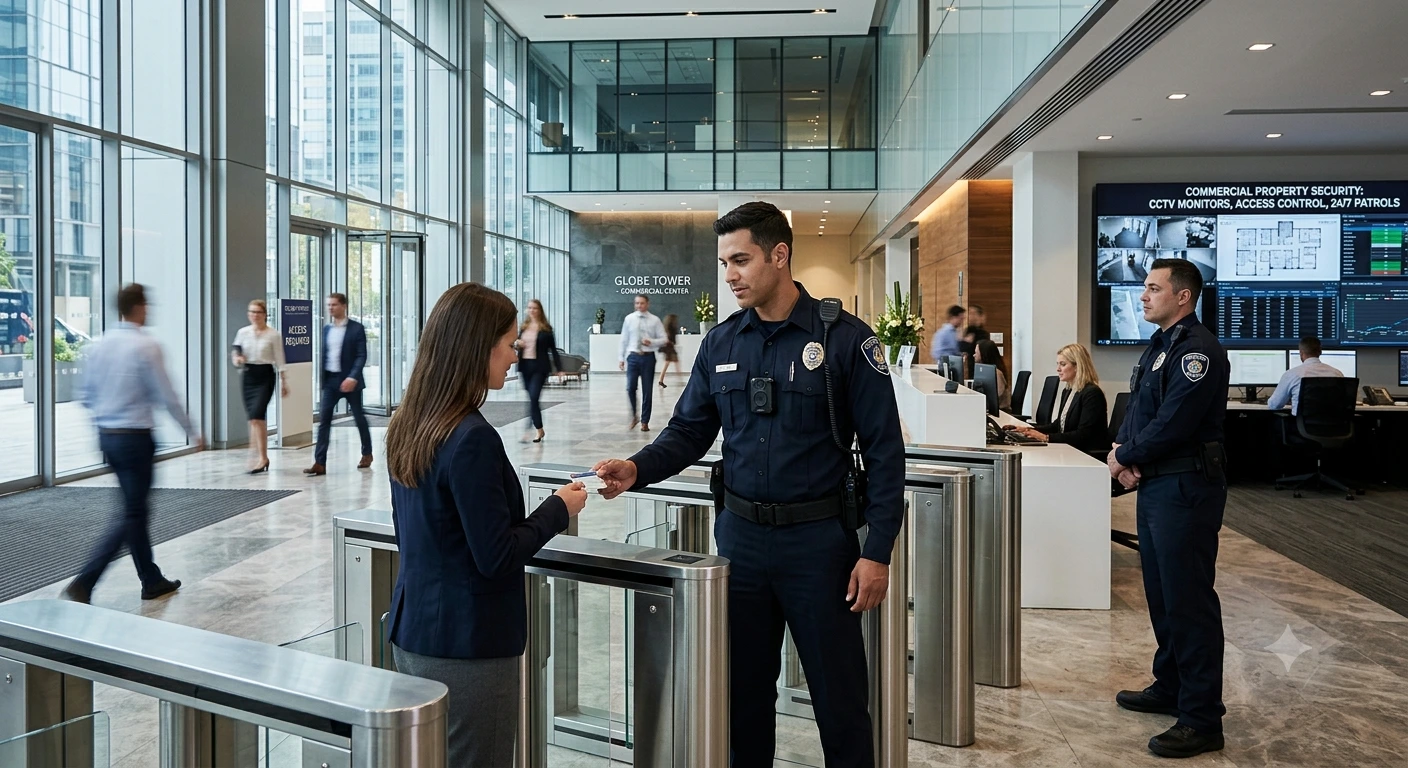
Commercial properties are valuable assets that require more than routine maintenance to remain safe and operational. Whether it’s an office building, shopping centre, warehouse, industrial facility, or mixed-use development, every commercial property faces potential security risks. Theft, vandalism, unauthorized access, and safety incidents can disrupt business operations, damage property, and affect tenant confidence.
As businesses continue to grow and properties become more complex, the need for professional security has become increasingly important. Security is no longer just about having someone monitor an entrance—it involves proactive planning, modern technology, trained personnel, and effective emergency response procedures.
This article explores why professional security matters in commercial properties, the common challenges property owners face, and the practical steps that help create a safer environment for businesses, employees, visitors, and tenants.
Why Commercial Property Security Matters
A secure commercial property benefits everyone who uses the building. Employees feel more comfortable at work, visitors have greater confidence in the premises, and business owners can focus on daily operations without constantly worrying about security threats.
Professional security also helps property managers maintain order, protect valuable assets, and reduce the likelihood of costly incidents. By investing in preventive measures, businesses can avoid many of the disruptions caused by theft, vandalism, or unauthorized entry.
Many property owners work with a reliable security company in West Yorkshire to help safeguard commercial buildings through trained personnel, site patrols, and tailored security solutions. Professional expertise ensures that security measures are appropriate for the property’s size, occupancy, and operational requirements. Security is not only about responding to incidents—it is about preventing them before they occur.
Common Security Challenges in Commercial Properties
Every commercial property has unique security requirements depending on its size, location, and purpose. However, many face similar challenges.
Unauthorized Access
Large buildings often receive numerous visitors, contractors, and delivery personnel throughout the day. Without proper access control, unauthorized individuals may enter restricted areas, creating safety and security concerns.
Theft and Burglary
Office equipment, inventory, electronics, and confidential documents can all become targets for theft if adequate security measures are not in place.
Vandalism
Commercial buildings may experience graffiti, property damage, or intentional destruction, particularly during evenings or weekends when fewer people are present.
Workplace Safety
Security personnel contribute to overall workplace safety by monitoring activity, identifying potential hazards, and responding quickly when issues arise.
Emergency Situations
Fires, medical emergencies, power failures, or security incidents require coordinated responses to protect occupants and minimize disruption.
The Role of Professional Security
Professional security teams perform much more than routine patrols. Their presence helps create a secure environment while supporting property management and business operations.
Their responsibilities may include:
- Monitoring entrances and exits
- Managing visitor access
- Conducting routine patrols
- Responding to alarms
- Reporting suspicious activity
- Assisting during emergencies
- Supporting evacuation procedures
- Protecting restricted areas
These services help reduce risks while providing reassurance to everyone using the property.
Access Control Improves Building Security
One of the most effective ways to secure a commercial property is by controlling who enters the building.
Modern access control systems may include:
- Key card entry
- Visitor registration
- Reception management
- Security gates
- Biometric authentication
- Vehicle access systems
By limiting access to authorized individuals, businesses reduce opportunities for theft, vandalism, and unauthorized activity.
CCTV Supports Continuous Monitoring
Video surveillance has become an important part of commercial property security.
Properly positioned CCTV systems help:
- Monitor entrances
- Record incidents
- Deter criminal activity
- Support investigations
- Improve staff safety
Although CCTV is highly effective, it works best when combined with trained security personnel who can respond quickly when suspicious activity is detected.
Security Patrols Help Prevent Incidents
Visible security patrols often discourage criminal behavior before it begins.
Regular patrols allow security personnel to:
- Inspect vulnerable areas
- Check doors and windows
- Monitor parking areas
- Identify maintenance issues
- Respond to unusual activity
Routine patrols also provide reassurance to employees working early mornings, late evenings, or overnight shifts.
Emergency Preparedness
Every commercial property should have procedures for responding to emergencies.
Emergency planning should include:
- Fire evacuation routes
- Emergency contact information
- First aid arrangements
- Incident reporting procedures
- Communication plans
- Assembly points
Professional security teams often play an important role in coordinating emergency responses while helping occupants remain calm and organized.
Benefits for Property Owners and Tenants
Investing in professional security offers long-term benefits beyond crime prevention.
These advantages include:
Improved Tenant Satisfaction
Tenants are more likely to remain in properties where they feel safe and supported.
Better Business Continuity
Preventing incidents reduces interruptions and helps businesses continue operating smoothly.
Lower Financial Risks
Reducing theft, vandalism, and property damage helps minimize repair costs and insurance claims.
Stronger Reputation
Secure commercial properties attract businesses, employees, and customers who value a safe environment.
Building a Comprehensive Security Strategy
Effective commercial property security combines multiple layers of protection.
A comprehensive strategy may include:
- Security personnel
- CCTV monitoring
- Access control systems
- Security lighting
- Alarm systems
- Visitor management
- Regular risk assessments
- Emergency planning
Each element works together to reduce vulnerabilities and improve overall protection.
Choosing Professional Security Support
Every commercial property has different security requirements, making it important to choose services that match the specific needs of the site.
Similarly, experienced security companies in West Yorkshire often provide flexible services for offices, retail premises, warehouses, construction sites, and multi-tenant buildings, helping businesses maintain a safe and secure working environment.
Helpful Tips for Improving Commercial Property Security
- Conduct regular security assessments.
- Install adequate lighting around the property.
- Keep entrances and exits well monitored.
- Limit access to sensitive areas.
- Maintain CCTV and alarm systems.
- Train employees on security procedures.
- Encourage prompt reporting of suspicious activity.
- Inspect the property regularly.
- Update emergency response plans annually.
- Work with experienced security professionals when needed.
Frequently Asked Questions
Why is commercial property security important?
Commercial property security helps protect employees, visitors, tenants, business assets, and buildings from theft, vandalism, unauthorized access, and other security risks.
What are the biggest security risks for commercial buildings?
Common risks include burglary, vandalism, trespassing, workplace violence, unauthorized access, and emergency situations such as fires or medical incidents.
Can CCTV replace security guards?
No. CCTV is an excellent monitoring tool, but trained security personnel provide immediate response, visible deterrence, and on-site assistance that cameras alone cannot offer.
How often should commercial properties review their security measures?
Security procedures should be reviewed regularly and updated whenever building occupancy, operations, or identified risks change.
What should a commercial security plan include?
An effective security plan typically includes access control, surveillance systems, security patrols, emergency procedures, employee awareness, and routine risk assessments.
Final Words
Professional security has become an essential part of managing modern commercial properties. From preventing unauthorized access and protecting valuable assets to supporting emergency response and improving tenant confidence, effective security measures contribute directly to business continuity and long-term success.
Rather than reacting to incidents after they occur, property owners who invest in proactive security strategies create safer environments for everyone who enters their premises. By combining trained personnel, modern technology, regular risk assessments, and clear emergency procedures, commercial properties can reduce vulnerabilities and operate with greater confidence in an increasingly complex business landscape.
