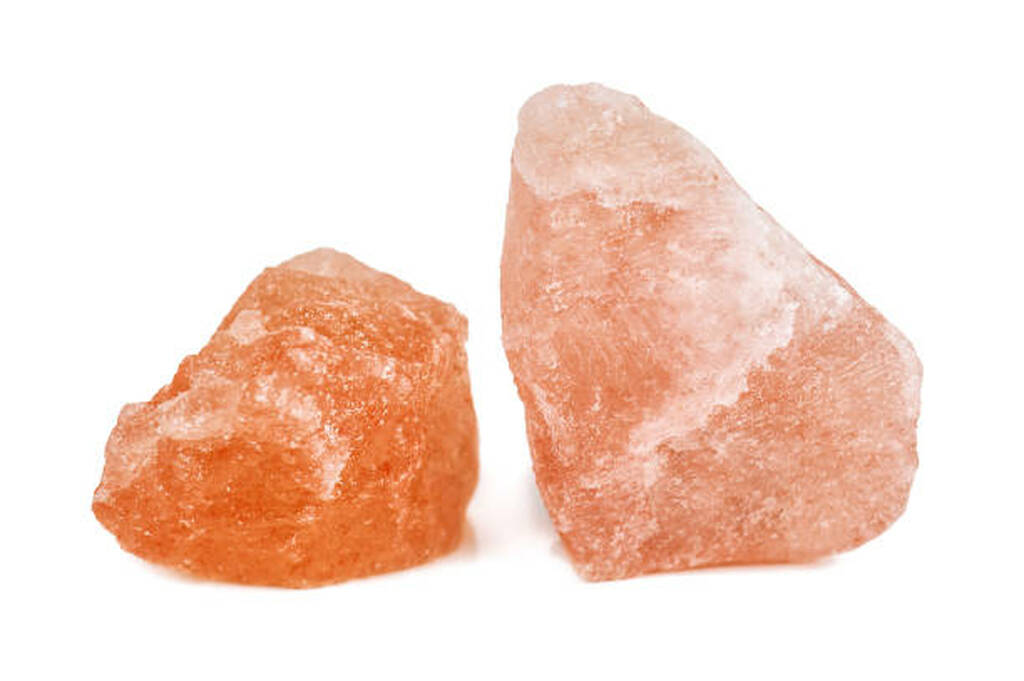
Pakistan sits on one of the largest salt reserves in the world, and for centuries this natural wealth has shaped both the economy and the culture of the region. But as global attention shifts toward environmental responsibility, the conversation around salt extraction is changing too. It’s no longer just about how much salt can be mined — it’s about how responsibly it can be done. Today, salt manufacturers in Pakistan are increasingly being asked to rethink traditional methods and adopt practices that protect the land, the workers, and the resource itself for generations to come.
This shift toward sustainability isn’t just a passing trend. It reflects a broader understanding that mineral resources, however abundant they may seem, are finite and deserve careful stewardship. In this article, we’ll explore what sustainable salt mining actually looks like, the challenges the industry faces, and the innovations helping shape a greener path forward.
Understanding the Salt Mining Landscape in Pakistan
Pakistan’s salt deposits, particularly in the Salt Range region of Punjab, are among the oldest and most geologically significant in the world. The scale of these reserves has supported mining activity for hundreds of years, making the sector an important part of the country’s mineral economy.
The Historical Roots of the Industry
Salt extraction in this region dates back centuries, with mining techniques passed down through generations. Traditional tunnel mining methods, while effective, were often labor-intensive and left limited room for environmental planning. As demand grew over time, the pressure on these methods increased, highlighting the need for more structured and sustainable approaches.
Current Scale and Importance
The salt sector today supports a wide network of workers, transporters, and processing facilities. Because the resource is tied so closely to regional livelihoods, any shift in extraction practices has ripple effects across local communities. This is part of why sustainability conversations in this space carry weight beyond environmental concerns alone — they touch on economic and social stability as well.
What Sustainable Salt Mining Actually Involves
Sustainability in mining is a broad concept, but in the context of salt extraction, it generally centers on three pillars: environmental protection, resource longevity, and worker welfare. Salt manufacturers in Pakistan that lean into sustainable practices often focus on reducing waste, minimizing land disturbance, and ensuring that extraction rates don’t outpace what the deposits can naturally support.
Reducing Environmental Disturbance
One of the biggest environmental concerns in mining is land degradation. Open-pit and tunnel mining can disturb soil structure, alter water tables, and affect surrounding vegetation. Sustainable approaches often involve careful site planning, controlled excavation depths, and post-extraction land rehabilitation to minimize long-term damage to the surrounding ecosystem.
Water Management and Conservation
Water plays a surprisingly important role in salt mining, particularly in processing and washing stages. Inefficient water use can strain local supplies, especially in regions where water scarcity is already a concern. Companies focused on sustainability are increasingly investing in recycling systems that allow water to be reused multiple times during processing rather than discharged after a single use.
Worker Safety and Fair Labor Practices
Sustainability isn’t only about the environment — it also includes how people are treated within the industry. Tunnel mining, in particular, carries inherent risks, from structural collapses to air quality issues underground. Modern safety protocols, better ventilation systems, and regular structural assessments are becoming standard practice as companies recognize that protecting workers is just as important as protecting the land.
Innovations Driving Change in the Industry
As awareness around environmental impact grows, so does interest in new technologies and methods that make salt extraction less invasive and more efficient. Several innovations are beginning to reshape how mining is approached across the sector.
Technology-Assisted Extraction
Modern equipment now allows for more precise excavation, reducing the amount of unnecessary digging and waste rock removal. Geological surveying tools help identify optimal extraction points before mining begins, which means less guesswork and less disturbance to surrounding deposits. This precision also extends the usable life of a mining site, since resources are extracted more efficiently rather than wastefully.
Renewable Energy Integration
Processing and transporting salt requires significant energy, much of which has historically come from fossil fuel sources. Some operations are beginning to explore solar power integration, particularly for above-ground processing facilities, as a way to reduce the carbon footprint associated with production. While this transition is still in its early stages across the sector, it represents a meaningful step toward greener operations.
Waste Reduction and By-Product Utilization
Salt extraction often produces by-products and residual minerals that were historically discarded. Increasingly, these by-products are being repurposed rather than treated as waste — whether for industrial applications, soil treatment, or other uses. This shift toward a more circular approach to resource use helps reduce the overall environmental footprint of mining operations.
Land Restoration After Extraction
Once a mining site reaches the end of its productive life, what happens next matters just as much as how it was extracted. Sustainable practices increasingly include rehabilitation plans — refilling excavated areas, restoring topsoil, and replanting native vegetation where possible. This helps prevent long-term scarring of the landscape and supports the return of natural ecological processes to the area.
Challenges Standing in the Way of Full Sustainability
Despite growing awareness, the path toward fully sustainable salt mining isn’t without obstacles. Many of the changes required involve significant investment, both financially and in terms of training and infrastructure.
Balancing Tradition with Modern Practices
Much of the region’s mining knowledge has been passed down through generations using traditional methods. Introducing modern, sustainability-focused techniques sometimes means working against deeply established practices, which requires education, trust-building, and gradual implementation rather than abrupt change.
Cost and Resource Constraints
Sustainable infrastructure — from water recycling systems to renewable energy installations — often requires upfront investment that not all operations can easily absorb. Smaller-scale operations in particular may struggle to adopt these changes at the same pace as larger, more resource-rich entities, creating uneven progress across the industry.
Regulatory and Monitoring Gaps
Consistent enforcement of environmental and safety standards across a geographically spread-out industry can be difficult. Strengthening monitoring systems and ensuring accountability across all scales of operation remains an ongoing challenge that requires coordination between regulatory bodies and the industry itself.
Looking Ahead: The Future of Sustainable Salt Mining
The trajectory of the industry suggests that sustainability will continue to move from a peripheral concern to a central operating principle. As global markets increasingly favor responsibly sourced materials, there’s growing incentive for operations to align with these expectations — not just to meet external demand, but to ensure the long-term viability of the resource itself.
Salt manufacturers in Pakistan are at an interesting crossroads, balancing centuries-old extraction traditions with the practical realities of a changing world. The decisions made in the coming years — around technology adoption, environmental stewardship, and worker welfare — will likely shape what this industry looks like for the next generation.
Final Thoughts
Sustainable salt mining is ultimately about finding a balance: extracting a valuable resource while protecting the land, water, and people connected to it. As salt manufacturers in Pakistan continue to navigate this evolving landscape, the choices they make today will determine whether this centuries-old industry remains viable and responsible for centuries to come. The road toward full sustainability is gradual, but the direction is clear — and that, in itself, is worth paying attention to.
