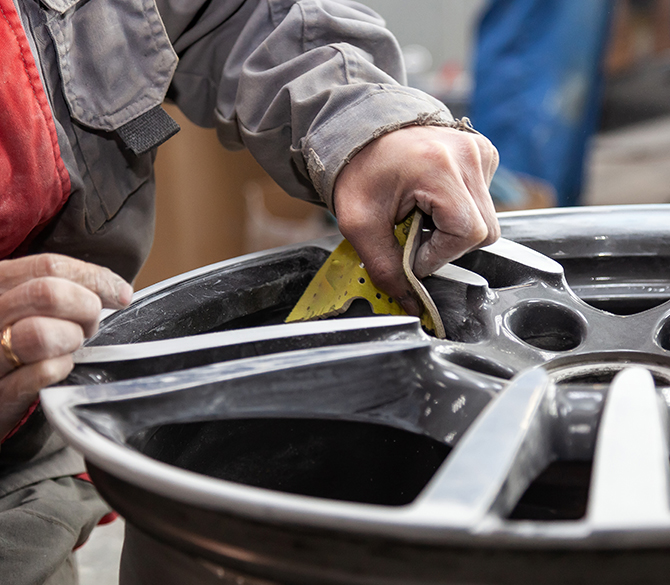
Alloy wheels are one of the most noticeable features of any vehicle. They enhance appearance, improve performance, and contribute to a car’s overall value. However, alloy wheels are constantly exposed to road debris, brake dust, weather conditions, and daily wear, which can eventually lead to scratches, chips, corrosion, and fading. This is where an effective alloy wheel paint guide becomes valuable.
Whether you’re restoring damaged wheels, customizing your vehicle’s appearance, or simply refreshing aging rims, choosing the right alloy wheel paint and application process can make a significant difference. Proper painting not only improves aesthetics but also provides protection against environmental damage and corrosion.
Why Paint Alloy Wheels?
Alloy wheel paint serves both cosmetic and protective purposes.
Benefits include:
- Improved vehicle appearance
- Protection against corrosion
- Resistance to brake dust
- Increased wheel lifespan
- Restoration of damaged surfaces
- Enhanced resale value
A quality paint finish can help wheels maintain their appearance even under challenging driving conditions.
Understanding Alloy Wheel Finishes
Before selecting paint, it’s important to understand the various wheel finishes available.
Common options include:
Silver Finish
Silver remains one of the most popular wheel colors because it complements nearly every vehicle style.
Benefits include:
- Classic appearance
- Easy maintenance
- Broad compatibility
Gloss Black
Gloss black wheels provide a modern and aggressive appearance.
Many performance and luxury vehicles utilize this finish.
Matte Black
Matte finishes create a sleek, understated look that has become increasingly popular among enthusiasts.
Anthracite Grey
Anthracite offers a sophisticated alternative to traditional silver and black finishes.
Custom Colors
Many vehicle owners choose custom colors to create unique appearances and personalized designs.
Popular custom options include:
- Bronze
- Gold
- White
- Gunmetal
- Metallic blue
Types of Alloy Wheel Paint
Different paint types offer varying levels of durability and appearance.
Aerosol Wheel Paint
Spray cans are commonly used for DIY projects.
Advantages include:
- Affordable pricing
- Easy application
- Wide color selection
They are ideal for small repairs and home refinishing projects.
Professional Automotive Paint
Professional-grade paints typically provide superior durability and finish quality.
These paints are often applied using spray equipment for more consistent results.
Powder Coating
Powder coating is one of the most durable wheel finishing methods available.
Benefits include:
- Excellent durability
- Strong corrosion resistance
- Professional appearance
Many professional wheel refurbishment companies offer powder coating services.
Preparing Alloy Wheels for Painting
Preparation is one of the most important steps in achieving a high-quality finish.
Proper preparation helps paint adhere effectively and improves long-term durability.
Cleaning
Begin by thoroughly cleaning the wheels.
Remove:
- Dirt
- Brake dust
- Grease
- Road contaminants
Specialized wheel cleaners can help eliminate stubborn residues.
Removing Existing Damage
Inspect wheels for:
- Scratches
- Scuffs
- Corrosion
- Paint chips
Minor damage can often be repaired before painting.
Sanding
Sanding helps create a smooth surface and improves paint adhesion.
Start with coarser sandpaper if significant imperfections exist, then progress to finer grits for a smoother finish.
Masking
Protect tires and surrounding areas using masking tape and protective coverings.
Proper masking prevents overspray and ensures clean paint lines.
Priming Alloy Wheels
Primer plays a critical role in the painting process.
Benefits of primer include:
- Improved paint adhesion
- Enhanced durability
- Corrosion protection
- Smoother finishes
Apply primer evenly and allow sufficient drying time before proceeding to the paint stage.
Multiple light coats generally produce better results than a single heavy application.
Applying Alloy Wheel Paint
Careful application helps achieve professional-looking results.
Apply Thin Coats
Several thin coats are preferable to one thick coat.
Thin layers reduce the risk of:
- Drips
- Runs
- Uneven coverage
Maintain Proper Distance
When using spray paint, maintain consistent distance from the wheel surface.
This promotes uniform coverage and smoother finishes.
Allow Drying Between Coats
Follow manufacturer recommendations regarding drying times.
Proper curing improves durability and finish quality.
Using Clear Coat Protection
A clear coat provides additional protection and enhances appearance.
Benefits include:
- UV resistance
- Scratch protection
- Improved durability
- Enhanced gloss
Depending on the desired finish, users may select:
- Gloss clear coat
- Satin clear coat
- Matte clear coat
Clear coating helps extend the lifespan of painted alloy wheels.
Common Mistakes to Avoid
Many wheel painting problems result from preparation or application errors.
Common mistakes include:
Inadequate Cleaning
Contaminants can prevent proper paint adhesion.
Skipping Primer
Primer significantly improves finish durability.
Applying Paint Too Thickly
Heavy coats increase the likelihood of drips and uneven finishes.
Rushing the Process
Allow sufficient drying and curing time between stages.
Patience often leads to better results.
Professional vs DIY Wheel Painting
Vehicle owners often choose between professional refinishing and DIY painting.
DIY Advantages
- Lower cost
- Personal satisfaction
- Flexibility
Professional Advantages
- Superior equipment
- Expert preparation
- Consistent finishes
- Enhanced durability
The best option depends on budget, experience, and desired results.
Maintaining Painted Alloy Wheels
Proper maintenance helps preserve wheel appearance.
Recommended practices include:
Regular Cleaning
Remove brake dust and road contaminants frequently.
Avoid Harsh Chemicals
Aggressive cleaners may damage painted surfaces.
Inspect for Damage
Address chips and scratches promptly to prevent corrosion.
Use Protective Products
Wheel sealants and protective coatings can help preserve finishes.
Consistent maintenance extends the lifespan of painted wheels.
The Impact on Vehicle Appearance
Freshly painted alloy wheels can dramatically transform a vehicle’s appearance.
Benefits may include:
- Modernized styling
- Improved visual appeal
- Increased personalization
- Better overall presentation
Wheels are among the most visible components of a vehicle, making their condition particularly important.
Future Trends in Alloy Wheel Finishes
Automotive customization continues evolving.
Emerging trends include:
- Matte finishes
- Two-tone designs
- Custom color combinations
- Ceramic protective coatings
- Environmentally friendly coatings
These innovations provide vehicle owners with more options than ever before.
Conclusion
An effective alloy wheel paint guide begins with proper preparation, quality materials, and careful application. Whether refreshing worn wheels, repairing cosmetic damage, or customizing a vehicle’s appearance, painting alloy wheels can significantly enhance both aesthetics and protection.
By selecting the appropriate paint, following proper preparation procedures, applying multiple thin coats, and maintaining the finished surface, vehicle owners can achieve professional-looking results that last. With the right approach, alloy wheel painting remains one of the most effective ways to improve vehicle appearance while protecting valuable wheels from everyday wear and environmental exposure.
