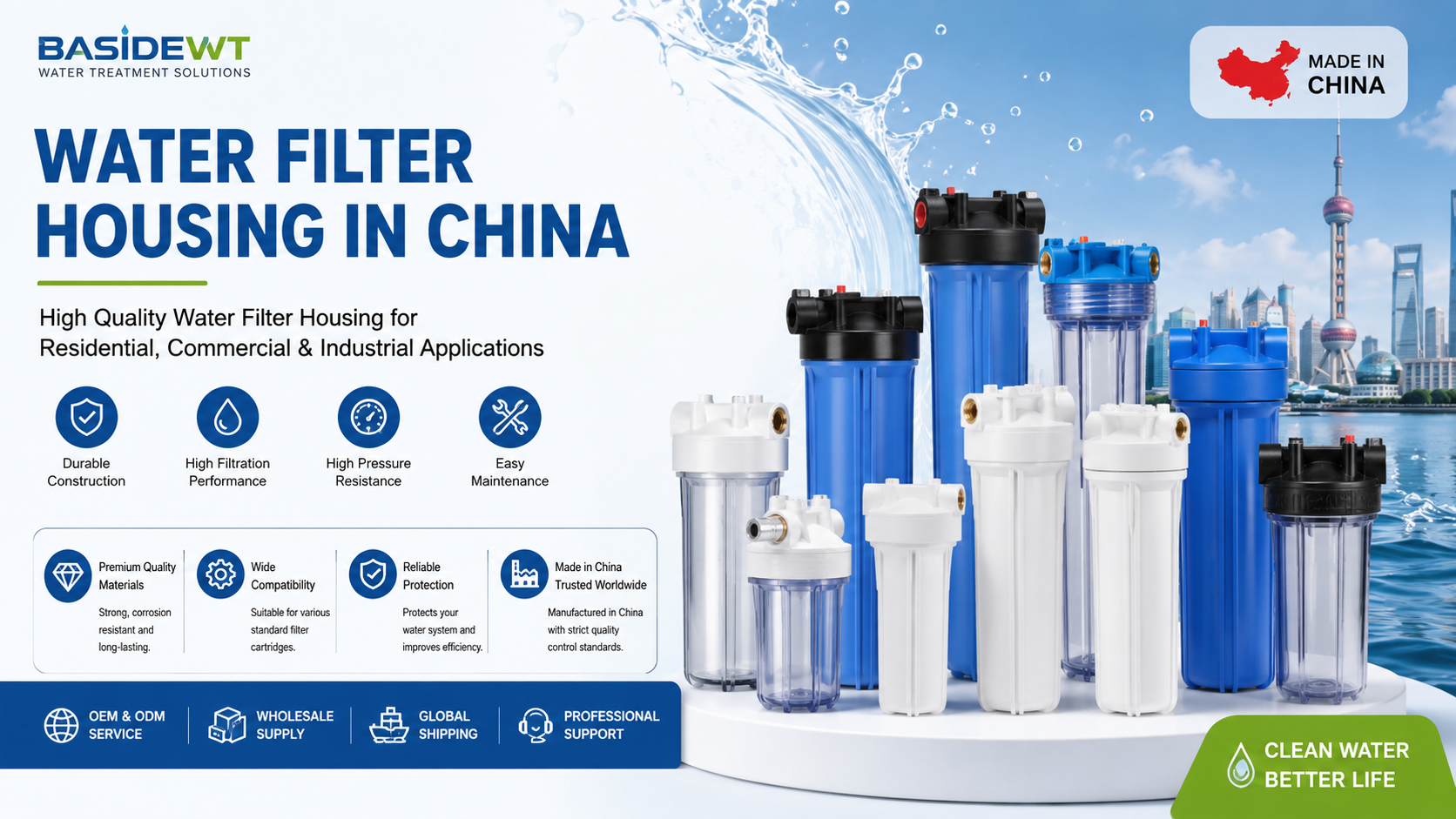
Clean water is essential for homes, businesses, and industrial operations. While many people focus on filter cartridges and filtration media, the water filter housing is one of the most important components of any water treatment system. Without a durable and properly designed housing, even the highest-quality filter cartridge cannot perform effectively.
A water filter housing acts as the protective shell that holds the filtration cartridge in place while directing water through the filtration process. It ensures that contaminants are removed efficiently while maintaining proper water pressure and flow rates. Whether used in residential drinking water systems, commercial facilities, food processing plants, manufacturing industries, or municipal water treatment applications, water filter housing play a critical role in delivering safe and clean water.
As water quality concerns continue to grow around the world, understanding how water filter housings work, their benefits, and how to choose the right one has become increasingly important. This comprehensive guide explains everything you need to know about water filter housing systems, their applications, maintenance requirements, and the latest industry developments.
Quick Answer: What Is a Water Filter Housing?
A water filter housing is a protective container designed to hold a water filter cartridge within a filtration system. It directs water through the filter media, allowing contaminants such as sediment, dirt, rust, chlorine, and other impurities to be removed before the water reaches its intended use.
Water filter housings are available in various materials, sizes, pressure ratings, and configurations to meet different filtration requirements. They are commonly used in residential, commercial, and industrial water treatment systems to improve water quality, protect equipment, and extend the life of filtration components.
What Is Water Filter Housing?
A water filter housing is the outer vessel that encloses and secures a filter cartridge within a water filtration system. It serves as the structural foundation of the filtration process by creating a sealed environment where water is forced through the filtration media.
The housing itself does not remove contaminants directly. Instead, it supports the filter cartridge, which performs the actual filtration. However, the quality of the housing significantly affects the overall performance, durability, and safety of the water treatment system.
Water filter housings can accommodate various filter types, including:
- Sediment filters
- Carbon block filters
- Activated carbon filters
- Pleated cartridges
- Melt-blown cartridges
- String wound filters
- Specialty filtration cartridges
These housings are designed to withstand pressure fluctuations, temperature changes, and continuous water flow while maintaining leak-free operation.
History and Evolution of Water Filter Housing Technology
The concept of water filtration dates back thousands of years. Ancient civilizations used simple methods such as sand filtration and cloth filtering to improve water quality.
Modern water filter housing technology began evolving during the twentieth century as industrialization increased water contamination concerns. Early filtration systems relied on metal containers that were often heavy, expensive, and susceptible to corrosion.
As material science advanced, manufacturers introduced durable plastics, reinforced polypropylene, stainless steel, and composite materials. These innovations improved corrosion resistance, reduced manufacturing costs, and enhanced system performance.
Today’s water filter housings feature advanced engineering, high-pressure capabilities, chemical resistance, and compatibility with numerous filtration technologies. Modern systems are designed for easy cartridge replacement, improved sealing mechanisms, and long-term reliability.
Key Components of a Water Filter Housing
Understanding the major components helps users select and maintain the right filtration system.
Housing Body
The housing body forms the main chamber that contains the filter cartridge. It is typically made from polypropylene, stainless steel, or reinforced composite materials.
Housing Cap
The cap secures the housing and connects it to the water supply lines. It often contains inlet and outlet ports for water flow.
O-Ring Seal
An O-ring creates a watertight seal between the housing body and cap. Proper sealing prevents leaks and maintains filtration efficiency.
Filter Cartridge
The cartridge is the actual filtration element housed inside the unit. Different cartridge types target specific contaminants.
Pressure Relief Button
Many systems include a pressure release valve that simplifies cartridge replacement and reduces maintenance risks.
Mounting Bracket
A mounting bracket secures the housing to a wall or support structure, providing stability during operation.
Types of Water Filter Housings
Different applications require different housing designs.
Standard Water Filter Housings
These are commonly used in residential systems and accommodate standard filter cartridges.
Big Blue Filter Housings
Big Blue housings provide higher flow rates and greater dirt-holding capacity. They are popular in whole-house water filtration systems.
Stainless Steel Filter Housings
Industrial facilities often use stainless steel housings because of their durability, corrosion resistance, and ability to withstand high pressures.
Transparent Filter Housings
Clear housings allow users to visually inspect cartridge condition and determine when replacement is necessary.
Multi-Cartridge Housings
These systems hold multiple cartridges simultaneously, increasing filtration capacity and supporting higher flow rates.
High-Pressure Industrial Housings
Designed for demanding industrial environments, these housings can handle elevated pressures and continuous operation.
How Water Filter Housing Works
The operation of a water filter housing is straightforward but highly effective.
First, untreated water enters the housing through the inlet port.
Next, water flows through the installed filter cartridge. During this stage, contaminants are trapped within the filtration media.
The cleaned water then exits through the outlet port and continues to its destination.
The housing maintains proper flow direction and ensures all water passes through the filter media rather than bypassing it.
This controlled filtration process improves water quality and protects downstream equipment.
Benefits of Water Filter Housing Systems
Improved Water Quality
A properly installed housing supports effective contaminant removal and ensures cleaner water.
Equipment Protection
Sediment and debris can damage pumps, valves, membranes, and appliances. Filtration helps prevent costly repairs.
Extended Filter Performance
A high-quality housing provides optimal operating conditions for filter cartridges.
Leak Prevention
Durable construction and reliable sealing mechanisms reduce the risk of water leakage.
Versatile Applications
Water filter housings can support a wide range of filtration technologies and treatment objectives.
Cost Savings
Protecting equipment and improving filtration efficiency can significantly reduce maintenance and replacement costs.
Common Applications of Water Filter Housings
Residential Water Filtration
Homeowners use water filter housings for drinking water systems, whole-house filtration, and point-of-use applications.
Commercial Buildings
Hotels, restaurants, schools, and office buildings rely on filtration systems to maintain water quality.
Industrial Manufacturing
Manufacturing facilities use water filtration to protect production equipment and maintain process consistency.
Food and Beverage Processing
Water quality directly impacts product quality, making filtration essential in food production environments.
Reverse Osmosis Systems
Pre-filtration housings help protect reverse osmosis membranes from sediment and particulate contamination.
Agriculture
Farmers use filtration systems to improve irrigation water quality and protect irrigation equipment.
Pharmaceutical Production
High-purity water requirements make reliable filtration systems essential in pharmaceutical manufacturing.
Choosing the Right Water Filter Housing
Selecting the appropriate housing depends on several important factors.
Water Flow Rate
The housing must support the required flow rate without excessive pressure loss.
Pressure Rating
Choose a housing capable of handling the system’s operating pressure.
Material Compatibility
Consider water chemistry, temperature, and environmental conditions when selecting housing materials.
Cartridge Size
Ensure compatibility with the desired filter cartridge dimensions.
Filtration Requirements
Different contaminants may require specific filtration technologies and housing configurations.
Installation Space
Available space may influence housing size and mounting options.
Maintenance Accessibility
Choose a design that allows convenient cartridge replacement and servicing.
Water Filter Housing Materials
Polypropylene
Polypropylene is lightweight, corrosion-resistant, and widely used in residential and commercial systems.
Stainless Steel
Stainless steel provides exceptional durability and chemical resistance for industrial applications.
Reinforced Plastic Composites
Composite materials offer a balance between strength, weight, and cost efficiency.
Polycarbonate
Transparent polycarbonate housings allow visual monitoring of cartridge condition.
Installation Best Practices
Proper installation ensures reliable performance and long service life.
Install the housing in a location protected from freezing temperatures and direct sunlight.
Use appropriate mounting brackets to support the housing securely.
Ensure proper inlet and outlet connections.
Lubricate O-rings with approved lubricants before installation.
Check all seals carefully before pressurizing the system.
Monitor the housing during initial startup to verify leak-free operation.
Maintenance and Care
Routine maintenance helps maximize filtration performance.
Inspect O-Rings Regularly
Damaged O-rings are a common cause of leaks and should be replaced when necessary.
Replace Cartridges on Schedule
Follow manufacturer recommendations for cartridge replacement intervals.
Clean the Housing
Periodic cleaning removes accumulated debris and helps maintain sanitary conditions.
Monitor Pressure Drop
A significant pressure drop often indicates a clogged filter cartridge.
Check for Cracks or Damage
Inspect housings regularly for signs of wear, stress, or material degradation.
Common Problems and Solutions
Water Leaks
Leaks are often caused by damaged O-rings, improper installation, or loose housing connections.
Solution: Inspect seals, tighten components correctly, and replace worn O-rings.
Reduced Water Pressure
Clogged filter cartridges can restrict water flow.
Solution: Replace the cartridge and verify proper sizing.
Cracked Housing
Excessive pressure, freezing temperatures, or physical impact may damage the housing.
Solution: Replace the damaged housing immediately.
Frequent Cartridge Changes
Heavy contamination loads may overwhelm filtration capacity.
Solution: Consider installing a pre-filter stage or upgrading cartridge size.
Difficulty Opening Housing
Pressure buildup can make servicing difficult.
Solution: Use the pressure relief button before attempting maintenance.
Common Mistakes to Avoid
One of the most common mistakes is selecting a housing based solely on price rather than performance requirements.
Another frequent error is using incompatible cartridges that do not match housing specifications.
Many users neglect routine maintenance, which can reduce filtration efficiency and shorten equipment life.
Improper O-ring installation often causes preventable leaks.
Ignoring pressure ratings can lead to housing failure and system damage.
Failing to replace cartridges on time can compromise water quality and system performance.
Latest Trends in Water Filter Housing Technology
The water treatment industry continues to evolve rapidly.
Manufacturers are introducing more sustainable materials with improved environmental performance.
Smart monitoring systems now allow users to track filter life, pressure changes, and maintenance schedules.
High-flow housing designs support increasing water demand in residential and industrial applications.
Advanced sealing technologies improve reliability and reduce maintenance requirements.
Compact modular systems provide greater installation flexibility for modern water treatment facilities.
Enhanced chemical-resistant materials are expanding filtration capabilities in demanding industrial environments.
Expert Recommendations
Always match the housing specifications to the intended application rather than choosing a generic solution.
Invest in quality materials when operating under high pressure or challenging environmental conditions.
Implement preventive maintenance schedules to avoid unexpected downtime.
Use certified filtration components whenever possible to ensure safety and performance.
Monitor system performance regularly and address issues before they become major problems.
Work with experienced water treatment professionals when designing complex filtration systems.
Frequently Asked Questions
What does a water filter housing do?
A water filter housing holds the filter cartridge securely and directs water through the filtration media, allowing contaminants to be removed effectively.
How long does a water filter housing last?
A quality housing can last many years when properly maintained. Service life depends on material quality, operating conditions, and maintenance practices.
Can I reuse a water filter housing?
Yes. The housing is designed for repeated use, while the filter cartridge is replaced periodically.
What is the best material for water filter housing?
The best material depends on the application. Polypropylene is common for residential use, while stainless steel is preferred for industrial environments.
Why is my water filter housing leaking?
Leaks are usually caused by damaged O-rings, improper assembly, loose connections, or housing damage.
How often should filter cartridges be replaced?
Replacement intervals vary depending on water quality, flow rates, and cartridge type. Always follow manufacturer recommendations.
Are transparent filter housings better?
Transparent housings provide visual inspection advantages, but they may not be ideal for all environments, especially where prolonged UV exposure occurs.
Can one housing support different filter cartridges?
Many housings can accommodate multiple cartridge types as long as dimensions and compatibility requirements are met.
What size water filter housing should I choose?
The correct size depends on flow rate requirements, water usage patterns, and filtration objectives.
Do industrial systems require special housings?
Yes. Industrial applications often require high-pressure, chemical-resistant, or stainless steel housings designed for demanding operating conditions.
Conclusion
A water filter housing is much more than a simple container. It serves as the foundation of an effective water filtration system by securing the filter cartridge, maintaining proper flow patterns, and ensuring reliable contaminant removal. From residential drinking water systems to large-scale industrial water treatment facilities, the right housing significantly impacts filtration efficiency, equipment protection, and long-term operating costs.
Understanding housing types, materials, maintenance requirements, and application-specific considerations helps users make informed decisions. As water treatment technology continues to advance, modern water filter housings are becoming more durable, efficient, and adaptable than ever before.
Whether you are upgrading an existing filtration system or designing a new water treatment solution, selecting a high-quality water filter housing and maintaining it properly will help ensure cleaner water, improved system performance, and long-term reliability.
